
Blooming
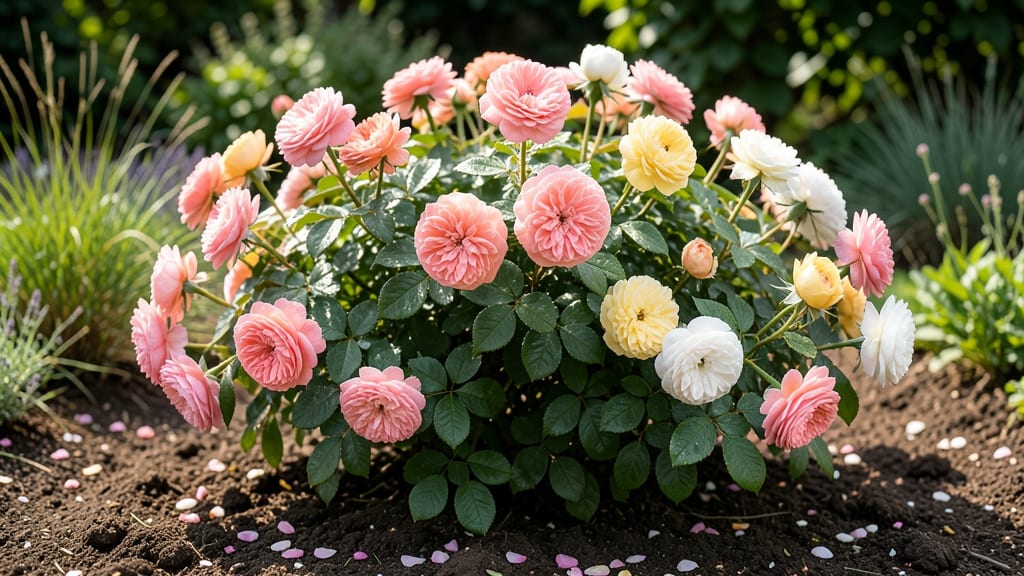
Your drift roses bloom time isn’t just a season—it’s a heat-triggered spectacle that turns your garden into a purple cloud from late spring through early fall. 🌸 I’ve watched these roses transform my yard every year, their cascading blooms lasting longer than most annuals, and it’s all about timing, care, and a little strategy.
The magic starts when daytime temperatures hit consistent 60s°F, usually around mid-May in most zones, and continues until the first hard frost. In warmer climates like Zones 8-10, they’ll keep blooming nearly year-round, while cooler regions might see a 2-3 week break in summer heat.
Proper pruning and watering can stretch that bloom window even further.
What you’ll end up with is a garden that stays vibrant for 3-4 months straight, with minimal deadheading and maximum impact. The key is keeping them well-watered during dry spells and trimming back leggy growth to encourage bushier, more prolific blooms.
Even in my dry summer months, these roses never skip a beat.
Perfect for borders, containers, or even ground cover—just plant them where they’ll get full sun to partial shade and watch them thrive. Here’s how to make the most of their natural bloom cycle without the guesswork.
📚 In This Guide
- What you need
- Instructions
- Tips and common mistakes
- Wrapping up and next steps
What you need
- ● Drift Roses (Rosa drift roses): Seeds (if starting from scratch) – Note: Drift roses are typically propagated via cuttings, so seeds may not guarantee true color.
- ● Cuttings (3-4 inch long, semi-hardwood) – 3-5 cuttings per plant for best success.
- ● Established plant (potted or bare-root) – 1-2 plants for immediate blooms.
- ● Well-draining soil: Garden soil mixed with compost (50/50 ratio) or a rose-specific potting mix.
- ○ Optional: Perlite or sand (10-20%) to improve drainage.
- ● Fertilizer: Balanced fertilizer (10-10-10) – Apply at planting and every 4-6 weeks during growing season.
- ● Rose-specific fertilizer (high in phosphorus) – Boosts blooming.
- ● Mulch: Organic mulch (wood chips, straw, or shredded bark) – 2-3 inches thick to retain moisture and regulate soil temperature.
- ● Gardening tools: Trowel or hand shovel
- ● Pruning shears (sterilized)
- ● Gloves (to protect from thorns)
- ● Containers (if growing in pots): 5-gallon pots or larger with drainage holes.
- ● Saucer trays (to catch excess water).
- ● Watering can or hose with gentle spray nozzle
- ○ pH testing kit (optional but recommended) – Ideal soil pH: 6.0-6.5.
- ● Sunlight: Full sun (6-8 hours daily) – Drift roses thrive in hot, sunny spots for optimal blooming.
- ● Heat tolerance: Drift roses bloom best in USDA Zones 5-9. In cooler zones, plant in sheltered, south-facing locations.
- ● Patience (for seeds/cuttings): Blooms may take 1-2 years to appear from cuttings or seeds.
- ● Consistent care: Regular watering (deep but infrequent) and pruning (after blooming season) keep plants healthy.
How to predict and extend drift roses' heat-triggered bloom period
Drift roses bloom when temperatures hit their sweet spot—here's how to read their cues and keep those purple spikes coming.
🌿 Step 1: Understand the Heat-Triggered Bloom Window
Drift roses begin budding when daytime temperatures consistently reach 65°F and nighttime dips no lower than 55°F. This usually happens in late spring, but exact timing varies by climate. In warmer zones (USDA 7-10), blooms may start as early as April, while cooler regions (USDA 5-6) often see first spikes in early June.
Watch for the first bud swell—these are golf-ball-sized bumps along the canes. This is your first signal that the plant has registered stable warmth. I mark my calendar when I see three or more buds swelling simultaneously, as this indicates the bloom cycle has officially begun.
☀️ Step 2: Optimize Light and Temperature for Continuous Blooms
Drift roses thrive in full sun (6+ hours daily) but need afternoon shade in zones where summer temperatures exceed 85°F. The key to extending bloom time is maintaining that 65-75°F daytime range. If your region hits heatwaves, provide afternoon shade with a lightweight shade cloth (30-50%) or temporary fabric cover.
Here's the thing—Drift roses respond to consistent warmth, not sporadic heat spikes. If temperatures fluctuate wildly (like 90°F days followed by 50°F nights), blooms will drop prematurely. I've found that a soaker hose setup helps moderate soil temps by keeping roots cool during heatwaves.
💧 Step 3: Water Strategically to Support Bloom Production
Deep watering twice weekly (or daily during heatwaves) encourages strong root systems, which directly impact bloom quantity. Water at the base only—never overhead—to prevent fungal diseases that stress plants and halt flowering. You'll know you're doing it right when the soil feels 2-3 inches deep stays consistently moist but not soggy.
I always add mulch (2-3 inches) around the base after the first flush of blooms appears. This conserves moisture and keeps roots cool. The mulch should extend 6 inches outward from the plant's dripline. Watch for wilting leaves in extreme heat—this is your signal to increase watering frequency temporarily.
✂️ Step 4: Prune for Extended Blooming Season
Light pruning after the first bloom cycle encourages a second flush. Cut back one-third of the oldest canes to the nearest outward-facing bud, and remove any dead or crossing branches. This redirects the plant's energy toward new growth and additional blooms. I time this pruning for late June in most climates, just as the first blooms begin to fade.
Don't over-prune—Drift roses bloom on both old and new wood. If you remove too many canes, you'll sacrifice next year's blooms. After pruning, apply a balanced rose fertilizer (10-10-10) to replenish nutrients. You'll see new shoots emerging within 3-4 weeks, followed by a second wave of buds.
⏰ Step 5: Monitor for Seasonal Bloom Cycles
Drift roses typically produce three main bloom cycles per season: early spring, mid-summer, and fall. The heat-triggered mechanism resets after each cycle, so you'll need to repeat the care routine for each flush. Pay attention to leaf color—healthy foliage stays deep green, while stressed plants develop yellowing or brown edges.
In cooler climates, expect blooms to taper off by mid-October unless you provide winter protection. I've had success with row covers or burlap wraps to extend the season in zones where frost arrives early. Even a few extra weeks of blooms means more cut flowers for your home—those purple spikes last beautifully in vases.
Tips & tricks for extending drift roses' heat-triggered bloom period
These practical insights will help you decode your drift roses' signals and coax out those stunning purple blooms all season long.
Temperature Consistency is Key: The 65-75°F daytime range is non-negotiable for continuous blooming. I've found that using a maximum/minimum thermometer buried near the plant's roots gives you precise data on nighttime dips. If your evenings drop below 55°F consistently, consider installing a small patio heater on low setting near the plant—just enough to maintain that critical nighttime threshold. This small investment can mean the difference between sporadic blooms and a continuous display.
Visual Bloom Cycle Tracking: Mark your calendar when you spot those first golf-ball-sized buds in Step 1—this is your official bloom cycle start date. I use colored pushpins on a garden calendar to track each cycle's progression. After the first flush, count 8-10 weeks until your next pruning in late June (as mentioned in Step 4). This visual tracking system helps me anticipate when to expect new blooms and when to adjust care routines.
Soaker Hose Hack for Heatwaves: When daytime temps creep above 85°F (as noted in Step 2), I run my soaker hose for 15-20 minutes every morning before sunrise. This pre-dawn watering creates a cooling microclimate around the roots while preventing fungal issues from overhead watering. The key is to water deeply enough that the 2-3 inches of soil (as mentioned in Step 3) stays consistently moist but not waterlogged—this mimics natural rainfall patterns that drift roses thrive in.
Pruning Precision: When you're cutting back one-third of the oldest canes in Step 4, focus on canes that are thicker than a pencil—these are the most established and will produce the most vigorous regrowth. I make my cuts at a 45-degree angle just above an outward-facing bud, which promotes better air circulation and reduces disease risk. After pruning, I always sterilize my shears with rubbing alcohol to prevent spreading any potential pathogens between cuts.
Pro Tips for Drift Roses Bloom Time
- These practical insights will help you decode your drift roses' signals and coax out those stunning purple blooms all season long.
- Temperature Consistency is Key: The 65-75°F daytime range is non-negotiable for continuous blooming.
- Visual Bloom Cycle Tracking: Mark your calendar when you spot those first golf-ball-sized buds in Step 1—this is your official bloom cycle start date.
Frequently asked questions
about drift roses’ bloom time—because timing is everything when you’re chasing those stunning purple spikes! Here are answers to the most common questions gardeners ask.When do drift roses typically bloom?
Drift roses usually bloom in late spring to early summer (May–June in most U.S. zones), but their heat-triggered mechanism can extend blooms into fall if temperatures stay warm. Some varieties, like ‘Iceberg’ or ‘Knock Out,’ may rebloom sporadically with proper care!
How long do drift roses stay in bloom?
With consistent care, drift roses can bloom for 6–8 weeks nonstop. Deadheading spent blooms (removing faded flowers) encourages longer flowering. In ideal conditions (full sun, regular watering), some varieties even produce secondary blooms later in the season!
Will drift roses bloom in cooler climates?
Yes! While they prefer warmth, drift roses are hardy in USDA zones 5–9. In cooler areas, plant them in sheltered spots (like near a south-facing wall) and mulch well to protect roots. Blooms may start later but still thrive with patience and proper sunlight.
What if my drift roses aren’t blooming?
No blooms? Check these fixes:
- Sunlight: Ensure 6+ hours of direct sun daily.
- Pruning: Trim back overgrown branches in early spring to encourage new growth.
- Fertilizer: Use a balanced rose fertilizer (like 10-10-10) in spring and mid-summer.
- Watering: Keep soil consistently moist but not soggy.
Can I force drift roses to bloom earlier?
While you can’t force blooms, you can optimize conditions for earlier flowering:
- Plant in full sun (no shade competition!).
- Apply slow-release fertilizer in early spring.
- Prune aggressively in late winter to stimulate new growth.
- Mulch with compost to retain warmth.
Wrapping up and next steps
Drift roses are a gardener’s dream—heat-loving, low-maintenance, and packed with vibrant purple blooms that seem to defy the seasons! Their bloom time is all about timing: late spring to frost, triggered by warmth and consistent care.
With the right soil, sunlight, and a little patience, you’ll enjoy those nonstop purple spikes for months.
Ready to transform your garden? Start by marking your calendar for late May or early June—the perfect window to plant or prune for peak blooms. Grab your gloves and get growing! 🌸✨