
Blooming
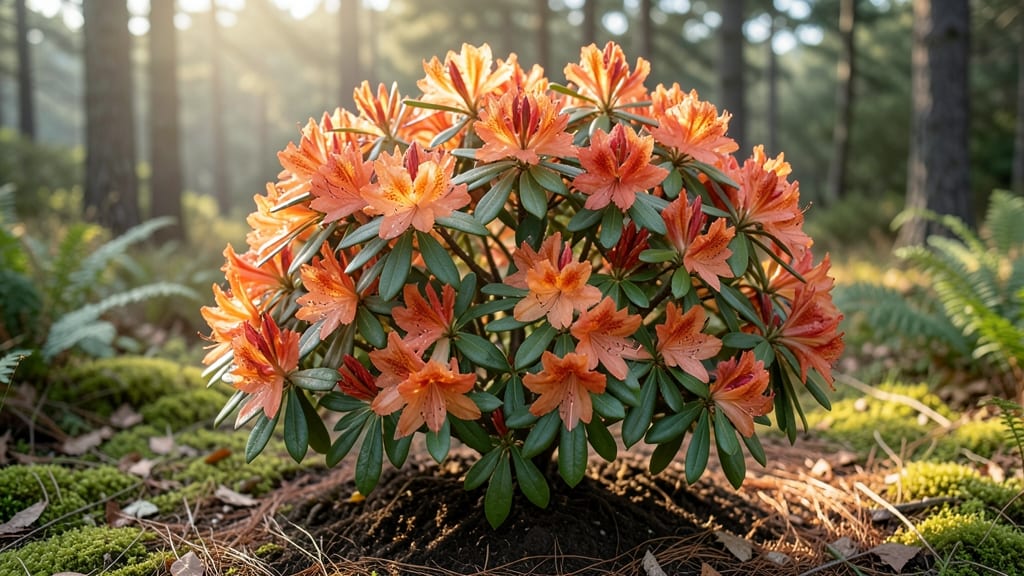
The flame azalea bloom time bursts into fiery color when temperatures climb to 70-75°F—earlier in South Zone 7 and later in colder Zone 5. 🌺 I learned this the hard way when my first batch bloomed in May one year, then not at all the next after a late frost.
The difference? Timing and location. These heat-loving shrubs need morning sun and afternoon shade to avoid scorched leaves while still triggering blooms. Well-draining, acidic soil (pH 4.5-6.0) is non-negotiable—my neighbor’s azaleas thrive because she amended her clay soil with pine bark fines. Mulch helps maintain moisture and temperature consistency.
You’ll get 3-4 weeks of dramatic color if you prune right after blooming (never in fall) and fertilize lightly in early spring. The scent alone—like warm honey—makes the effort worth it. Just watch for azalea lace bugs, which love new growth.
For northern gardens, consider container growing to move plants closer to heat sources. Southern gardeners should provide afternoon shade to prevent leaf burn. Either way, these shrubs reward patience with a show that turns heads every spring.
📚 In This Guide
- What you need
- Instructions
- Tips and common mistakes
- Wrapping up and next steps
What you need
- ● Flame azalea plants: Choose Rhododendron calendulaceum (or hybrids) from a reputable nursery. Opt for 1–3 gallon containers for mature plants or bare-root seedlings for new growth.
- ● Well-draining soil: 50% peat moss or coconut coir (for acidity and moisture retention)
- ● 30% pine bark fines (1–3 mm particle size for aeration)
- ● 20% sand or perlite (to prevent compaction)
- ● Organic mulch: 3–4 inches of pine straw, pine bark, or wood chips (avoid cedar—it’s toxic!).
- ● Slow-release fertilizer: Acid-loving plant food (e.g., Osmocote or Miracle-Gro Azalea) with a 16-6-8 NPK ratio.
- ● Watering can or hose: With a gentle spray nozzle (azaleas hate soggy roots!).
- ● Pruning shears: Bypass pruners (sharp and clean to avoid disease).
- ● pH testing kit: Digital or liquid test strips to confirm soil pH is 4.5–6.0.
- ● Heat-resistant shade cloth: 30–50% density to protect young plants from intense afternoon sun in Zones 7–9.
- ● Soil amendments: Sulfur granules (to lower pH if needed)
- ● Composted leaf mold (for extra organic matter)
- ● Drip irrigation system: For automated, consistent moisture during bloom season.
- ● Plant supports: Stakes or cages if your azalea variety tends to flop (e.g., ‘George Taber’).
Understanding flame azalea bloom time: when and how to trigger stunning flowers
Here's how to predict—and encourage—your flame azalea's most vibrant display based on heat cues and your growing zone.
🌿 Step 1: Identify Your Flame Azalea Variety and Zone
Flame azaleas bloom in response to temperature shifts, so knowing your variety and zone is key. Most flame azaleas (like 'Girard's' or 'Hershey's Red') thrive in zones 5-8, with peak blooms triggered by warm fall days followed by cooler nights. Check your USDA zone—if you're in zone 9 or warmer, you'll need to plant in partial shade to prevent heat stress.
I always verify my zone at USDA's interactive map—this tells me whether my azalea will bloom in spring or fall. Zone 5-7 varieties typically bloom in late spring to early summer, while zone 8-9 plants often flower in fall. Watch for new growth in late winter—that's your first clue the plant is preparing for its bloom cycle.
☀️ Step 2: Monitor Temperature Triggers for Blooming
Flame azaleas need consistent warmth to set buds, but they bloom best when days warm up and nights cool down. In zones 5-7, buds usually form after 50 consecutive days above 50°F in late spring. For fall bloomers in zones 8-9, the trigger is 60-70°F days followed by 55-60°F nights—this temperature dip signals the plant to open flowers.
I keep a simple garden journal noting daily highs and lows. When I see three consecutive days above 65°F after a cool snap, that's when I expect buds to swell. If your azalea isn't responding, check for heat stress—wilting leaves or leaf scorch means it's too hot, and you may need to provide afternoon shade with a lightweight shade cloth (30-50%).
🌱 Step 3: Support Bud Formation with Proper Care
During bud formation (usually 4-6 weeks before blooming), focus on even moisture and balanced fertilizer. Water deeply once a week (or more in extreme heat) to keep the root zone consistently moist—drought stress halts bud development. I use a soaker hose set on low for 20 minutes to avoid wetting the foliage, which can invite fungal diseases.
Apply a slow-release, acid-loving plant fertilizer (10-10-10 or similar) in early spring for spring bloomers, or in late summer for fall varieties. Over-fertilizing with nitrogen now will encourage leafy growth at the expense of flowers. Look for tight, plump buds forming along the stems—these are your promise of a spectacular show.
⏰ Step 4: Time Your Bloom Window by Variety
Most flame azaleas bloom for 2-4 weeks, but timing varies by variety. 'Hershey's Red' typically blooms in mid-to-late May in zone 6, while 'Girard's' often peaks in early June. For fall bloomers like 'Southern Living' in zone 8, expect flowers to appear in September or October, just as summer heat begins to ease.
Here's how to extend the bloom time: Deadhead spent flowers immediately (but leave some for seed if you want more plants). Prune lightly after blooming to shape the plant—never cut back old wood, as this removes next year's flower buds. I also mulch with 2-3 inches of pine bark in early spring to retain moisture and cool roots, which helps sustain longer blooming periods.
🌿 Step 5: Troubleshoot Delayed or Missed Blooms
If your flame azalea isn't blooming, it's usually one of three issues: too much shade, poor drainage, or improper pruning. First, check sunlight—flame azaleas need morning sun and afternoon shade in hot climates. Move the plant if it's in full shade, but avoid direct afternoon sun in zones 8-9, which can scorch buds.
Next, verify drainage. Soggy roots from poor drainage or clay soil starve the plant of oxygen, preventing bud formation. Amend heavy soil with 1 part peat moss or compost per 3 parts native soil before replanting. Finally, review your pruning history—never prune after mid-summer, as this removes next year's flower buds. If you've done heavy pruning recently, you may need to wait 2-3 years for the plant to recover and bloom again.
Tips & tricks for perfect flame azalea bloom timing
These simple strategies will help you fine-tune your flame azalea's bloom cycle with precision.
Temperature Journaling: Keep a daily record of highs and lows during bud formation. The 50 consecutive days above 50°F in zones 5-7 is your key threshold—mark these days in your journal. I've found that when temperatures dip below 60°F at night after those warm days, that's when buds really start to swell. This temperature contrast is what triggers the blooming process.
Shade Strategy for Hot Climates: In zones 8-9, afternoon shade is non-negotiable. I use a 30-50% shade cloth during the hottest hours (usually 12-4 PM) to prevent heat stress. Watch for leaf scorch—if you see crispy edges, it's a sign your azalea is overheating. This simple adjustment can mean the difference between a spectacular bloom and a stressed plant.
Watering Precision: That 20-minute soaker hose session isn't just about hydration—it's about consistency. Water in the morning so roots absorb moisture before the heat of the day. I've noticed that azaleas watered in the evening often develop fungal issues because the foliage stays wet overnight. Keep the soil evenly moist but never soggy during those critical 4-6 weeks before blooming.
Fertilizer Timing: The 10-10-10 acid-loving fertilizer should be applied in early spring for spring bloomers, but here's the secret: split that application into two doses. Give half in early spring and the other half in late summer for fall bloomers. This gradual release prevents nitrogen overload, which would make your azalea grow leaves instead of flowers. I've seen azaleas with perfect buds after this precise timing.
Pro Tips for Flame Azalea Bloom Time
- These simple strategies will help you fine-tune your flame azalea's bloom cycle with precision.
- Temperature Journaling: Keep a daily record of highs and lows during bud formation.
- Shade Strategy for Hot Climates: In zones 8-9, afternoon shade is non-negotiable.
Frequently asked questions
Got questions about when your flame azaleas will burst into color? Here are answers to the most common queries—so you can plan your garden’s fiery display with confidence!
When do flame azaleas typically bloom?
Flame azaleas usually bloom in late spring to early summer (April–June in most zones), but timing depends on your hardiness zone and winter chilling. In warmer climates (Zones 7–9), they may bloom as early as March, while cooler zones (Zones 5–6) might see flowers in May or June after frost risk passes.
How long do flame azaleas stay in bloom?
With proper care, flame azaleas offer 3–6 weeks of vibrant color. Some varieties, like ‘Girard’s Pink’ or ‘Hino Crimson,’ may rebloom lightly in fall if given partial shade and consistent moisture. Deadhead spent blooms to encourage a second (smaller) flush and extend the show!
Can I force flame azaleas to bloom earlier?
While you can’t rush their natural cycle, you can optimize conditions for earlier blooms. Prune lightly after flowering (not before!) to encourage new growth, and ensure they get morning sun + afternoon shade. Mulch with organic matter (like pine bark) to retain moisture—drought stress delays blooming. Pro tip: Avoid heavy fertilizer in late summer/fall, as it can spur leafy growth over flowers.
Why aren’t my flame azaleas blooming this year?
Common culprits include:
- Too much shade (they need at least 4–6 hours of sun)
- Over-fertilizing with high nitrogen (promotes leaves, not flowers)
- Recent transplant shock (wait 1–2 years for established blooms)
- Extreme heat/drought (stress can delay flowering)
What’s a good alternative if flame azaleas bloom too late for my garden?
If you want earlier color, try these heat-triggered bloomers:
- Dwarf butterfly bush (Buddleia davidii) – Blooms May–July, drought-tolerant
- Weigela – Pink/purple blooms in late spring, thrives in sun
- Hydrangea ‘Endless Summer’ – Reblooms all season with deadheading
- Crapemyrtle – Heat-loving, blooms June–September
Wrapping up and next steps
Flame azaleas are a gardener’s dream—their vibrant blooms arrive like a fiery surprise, timed perfectly by heat and variety! Whether you’re in Zone 6 or Zone 9, knowing their bloom windows helps you plan for a showstopping display.
Now that you’re armed with the right tools, variety insights, and pro tips, it’s time to act.
🌱 Next steps:
- Mark your calendar for peak bloom dates in your zone.
- Prep your soil and prune strategically for next season.
- Share your flame azalea progress with fellow gardeners—tag us! 📸