
Flowers
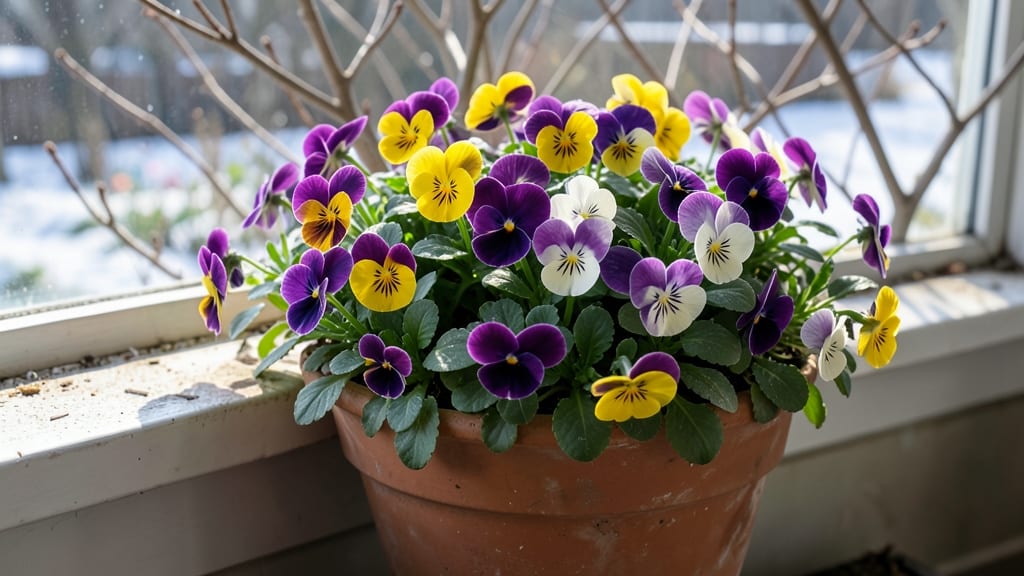
February may still feel like winter, but these hardy flowers defy the cold to bring vibrant color and life to your garden. Discover the best early bloomers that thrive in chilly conditions and how to encourage their growth for a stunning winter-to-spring transition.
Winter Jasmine Climbing Shrub
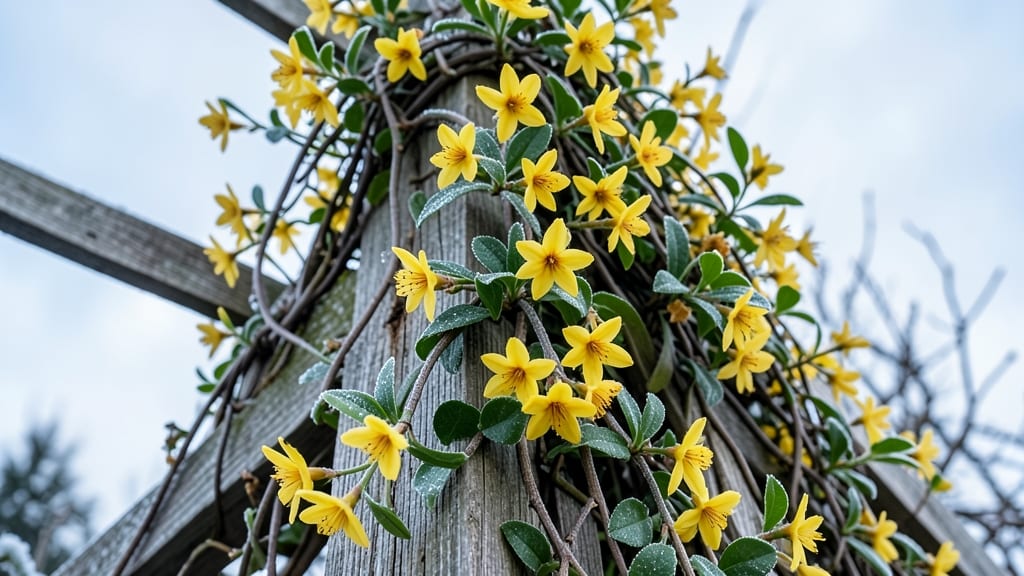
When your garden feels like a frozen landscape, winter jasmine (Jasminum nudiflorum) bursts into cheerful yellow blooms that defy the cold. This evergreen climber thrives in USDA zones 6-9, producing bright star-shaped flowers from late winter through early spring—often while snow still lingers.
Plant it against a trellis, fence, or arbor where its arching stems can reach 10-15 feet. Unlike spring-blooming jasmine, this variety blooms on old wood, so prune immediately after flowering to encourage dense growth. It tolerates partial shade to full sun and even drought once established, making it low-maintenance for urban gardens or small spaces.
Perfect for gardeners who want instant winter color without fuss, winter jasmine also attracts early pollinators like bees. Its vibrant blooms create a stunning vertical focal point that brightens even the dreariest February days. 🌟
Snowdrops Delicate White Blooms
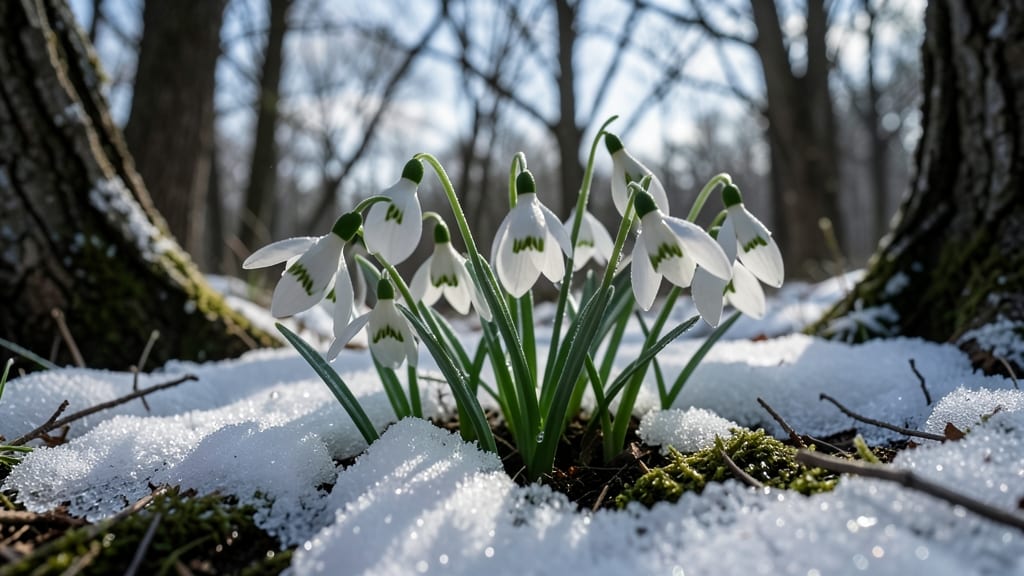
When winter's grip still tightens, snowdrops (Galanthus) push through snow and ice like tiny messengers of spring. Their delicate white blooms—often with green-tipped petals—are nature's way of whispering hope to gardeners still bundled up in January.
These shade-loving perennials thrive in woodland conditions, making them perfect for naturalizing under trees or in garden corners where other plants struggle. Plant bulbs in fall (6-8 inches deep) in moist, well-draining soil with partial to full shade. Once established, they multiply yearly, creating lush drifts of early blooms that last 3-4 weeks.
Perfect for woodland gardeners, shade enthusiasts, and those seeking low-maintenance beauty, snowdrops reward patience with their year-round foliage and cheerful February displays. 💚
Crocus Purple and White Varieties
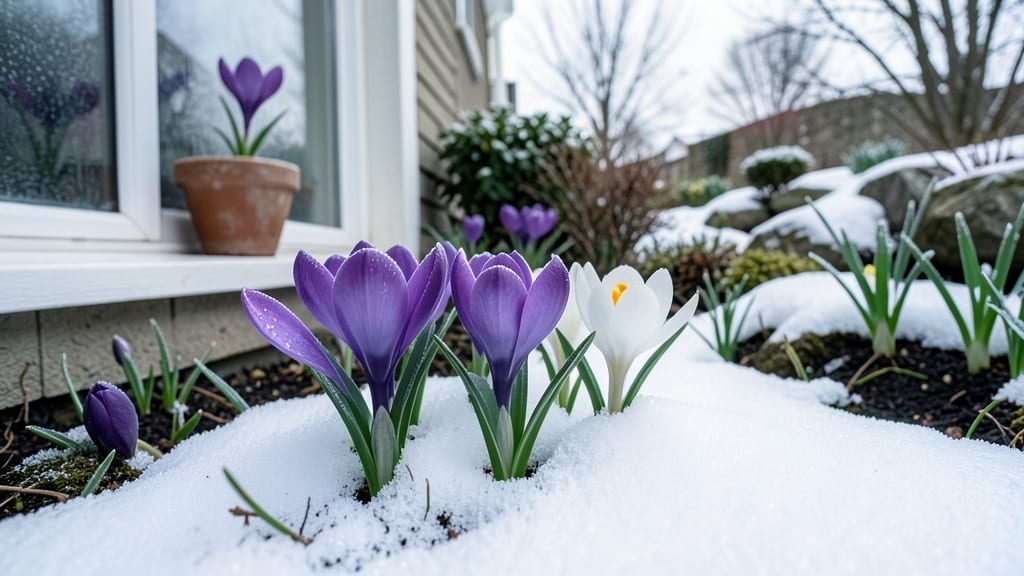
When you crave a burst of color in late winter, crocus varieties like 'Purple Dream' and 'Whitewell' punch through snow to deliver striking blooms that brighten lawns, containers, or even indoor windowsills. These hardy perennials thrive in USDA zones 3-8 and often bloom as early as February, making them nature's first splash of spring.
For maximum impact, plant bulbs in fall (4-6 inches deep) in full sun to partial shade, where they'll naturalize beautifully in grass or rock gardens. Purple varieties like 'Blue Pearl' attract pollinators, while white types like 'Snow Bunting' create a crisp contrast against winter landscapes. You can even force them indoors by chilling bulbs for 12-16 weeks before potting.
Perfect for beginners, crocuses require minimal care—just ensure well-draining soil and avoid overwatering. Their early blooms signal spring's arrival while adding year-round interest with their sword-like foliage. 💚
Hellebore Evergreen Perennial
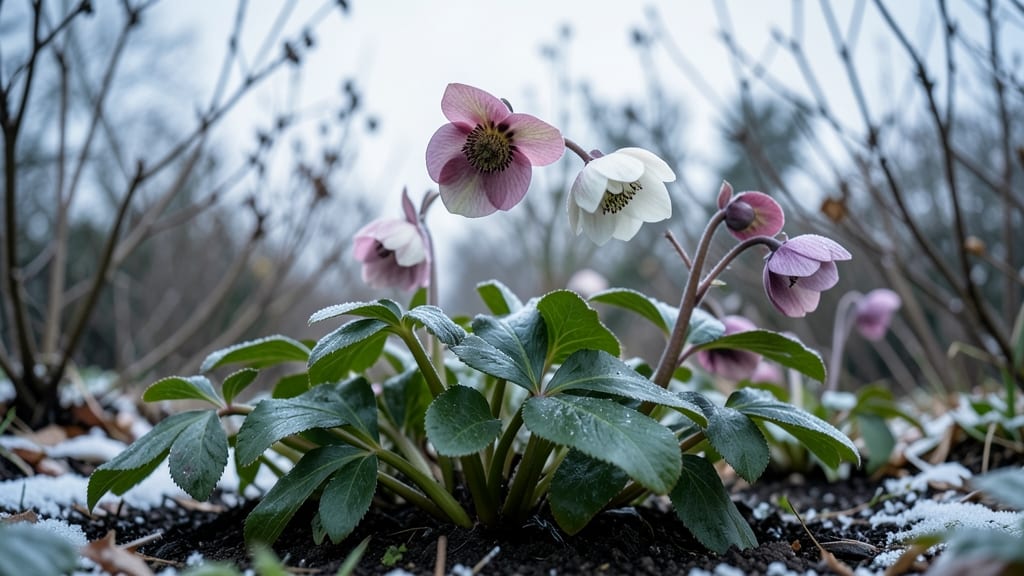
When your garden feels like a winter wonderland with no color in sight, hellebores step in as the unsung heroes of late winter. Nicknamed the Lenten rose, this evergreen perennial produces delicate, nodding blooms in soft pink, white, or deep purple hues that appear when most gardens are still dormant.
Thriving in shade to partial sun, hellebores are perfect for woodland gardens, under trees, or along shady fences. Their glossy, leathery leaves stay green year-round, providing structure even when flowers fade. Plant them in well-draining soil with a layer of mulch to protect roots from temperature swings—ideal for gardeners in USDA zones 3-9.
This low-maintenance plant rewards patience with months of blooms from late winter through early spring, making it a favorite for beginners and experienced gardeners alike. 🌷
Paperwhite Narcissus Indoor Blooms
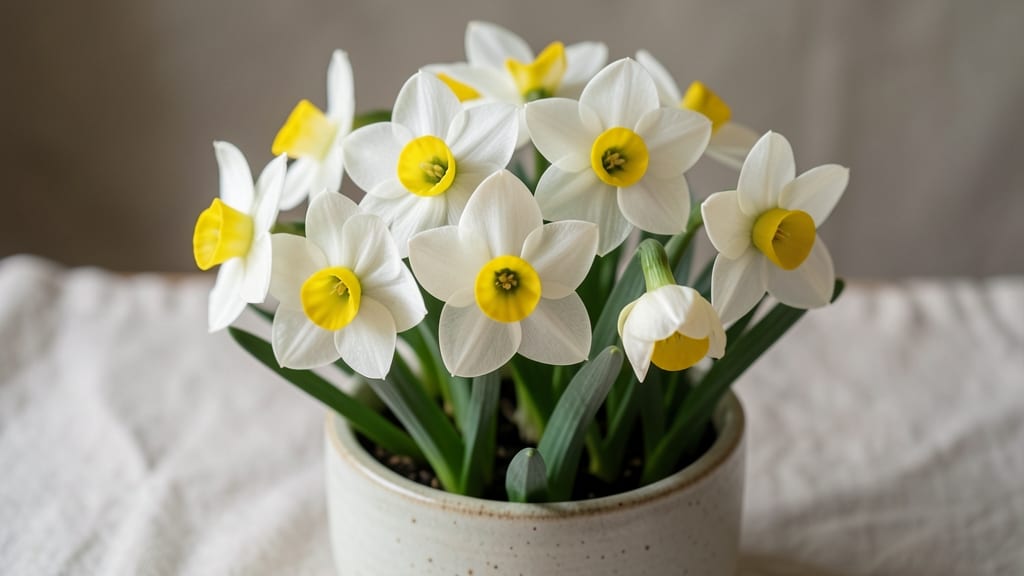
Skip the chilly outdoor garden this February and bring the season indoors with paperwhite narcissus—a fragrant, fast-growing bulb that blooms in just 6-8 weeks with almost no fuss. These cheerful white flowers with yellow centers are perfect for forcing indoors, making them ideal for holiday gifts or brightening up dark winter spaces.
Start by planting bulbs in shallow containers filled with pebbles and water—no soil required! Place them in a cool, dark spot (like a closet) for 2-3 weeks until roots emerge, then move to a sunny windowsill. The sweet, honey-like fragrance will fill your home, and each bulb produces 5-10 flowers per stem. They thrive in indoor temperatures and even last as cut flowers in vases.
This is the ultimate low-maintenance project for beginners, urban gardeners, or anyone craving a pop of color during winter’s gloomiest days. 🌱
Daffodil Early Spring Varieties
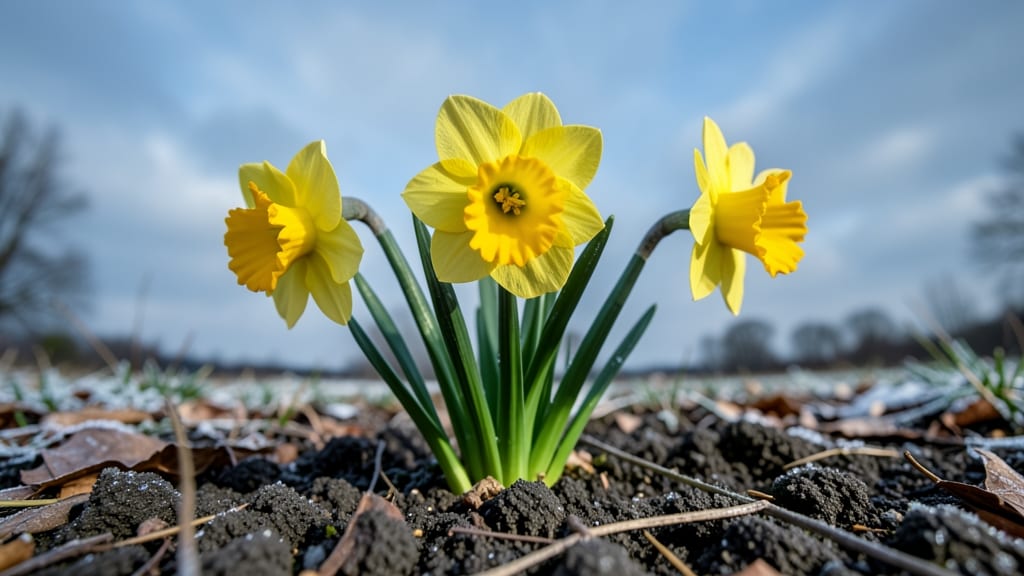
When February’s chill still lingers, daffodils like 'February Gold' burst through the soil with bright yellow trumpets, announcing spring’s arrival weeks before tulips. These early bloomers thrive in USDA zones 3-8 and tolerate light frosts, making them perfect for gardeners eager to beat winter blues.
Plant bulbs in fall for late winter to early spring blooms, choosing spots with full sun to partial shade. Their drought-tolerant nature means minimal care—just ensure well-draining soil. For containers, opt for smaller varieties like 'Tête-à-Tête' to brighten patios or balconies.
These cheerful blooms bring instant joy to borders or woodland edges, and their deer-resistant foliage makes them a low-maintenance choice. Perfect for beginners or busy gardeners craving early color! 🌻
Pansies Hardy Annual Flowers
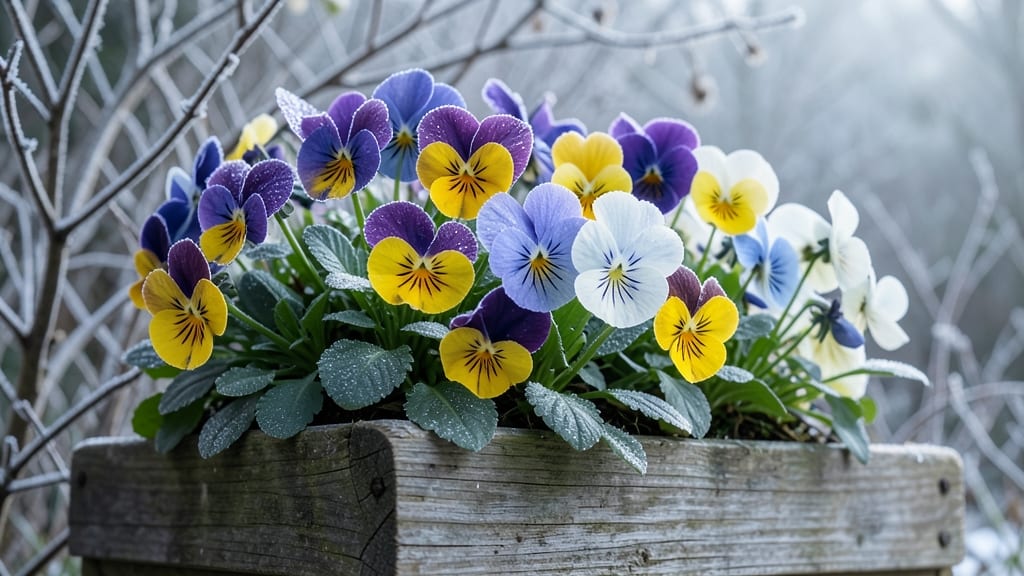
When you need a splash of color to defy February’s frost, pansies deliver a dazzling palette of purple, yellow, blue, and white that brightens garden beds and containers alike. Unlike many winter flowers, these cold-hardy annuals thrive in temperatures as low as 20°F and continue blooming through early spring, making them the ultimate February workhorse.
Plant them in well-draining soil with 4-6 hours of sun daily, and they’ll reward you with nonstop blooms—perfect for edging pathways, filling window boxes, or adding pops of color to patio pots. Choose varieties like 'Matrix' for compact growth or 'Majesty' for larger, showier flowers. Deadhead spent blooms to encourage more flowers, and fertilize lightly every 4-6 weeks for continuous color.
Urban gardeners and small-space lovers will appreciate how pansies adapt to containers, while traditional gardeners can use them to create vibrant borders. Their cheerful faces lift spirits during the grayest winter days, proving that February can be a month of garden magic. 🌟
Heather Low-Growing Shrubs
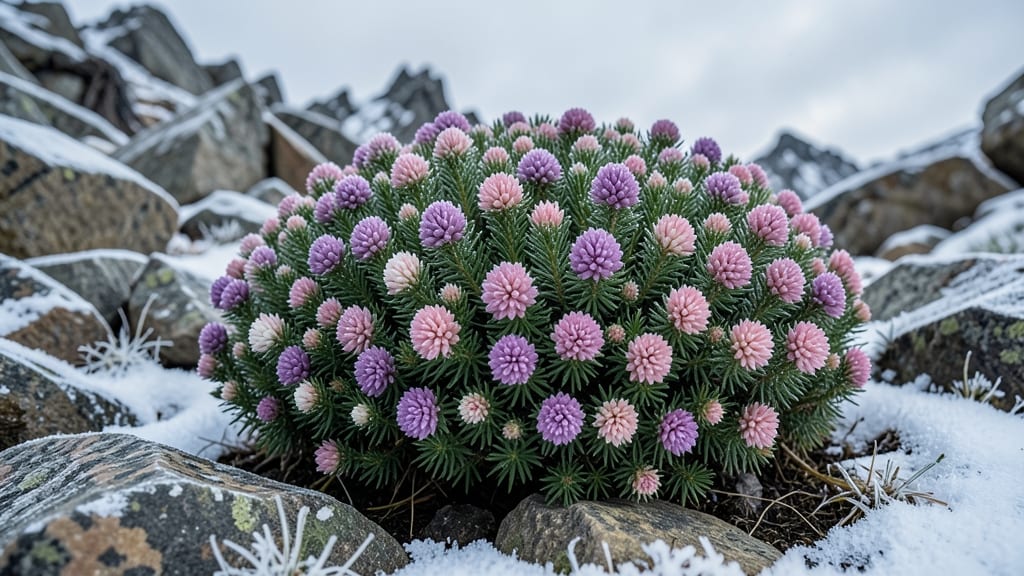
If you're craving a low-maintenance, pollinator-friendly plant that thrives in February's chill, look no further than dwarf heather shrubs like 'Winter Gem'. These compact beauties produce dense clusters of purple, pink, or white blooms that stand out against rocky landscapes or snowy backdrops, offering a striking contrast to winter's muted tones.
Perfect for rock gardens, slopes, or ground cover, these evergreen shrubs reach just 6-12 inches tall and thrive in full sun to partial shade, making them ideal for containers or alpine gardens. Plant them in well-draining soil with a layer of gravel to prevent root rot, and enjoy their long bloom season from late winter through spring. Their tiny flowers attract early pollinators like bees and butterflies, giving your garden a head start on spring activity.
Urban gardeners and rockery enthusiasts will love how heather adds texture and color to small spaces without requiring constant care. With varieties available in multiple hues, you can create a year-round interest garden that stays vibrant even when other plants are dormant. 🌷
Primrose Soft Pastel Blooms
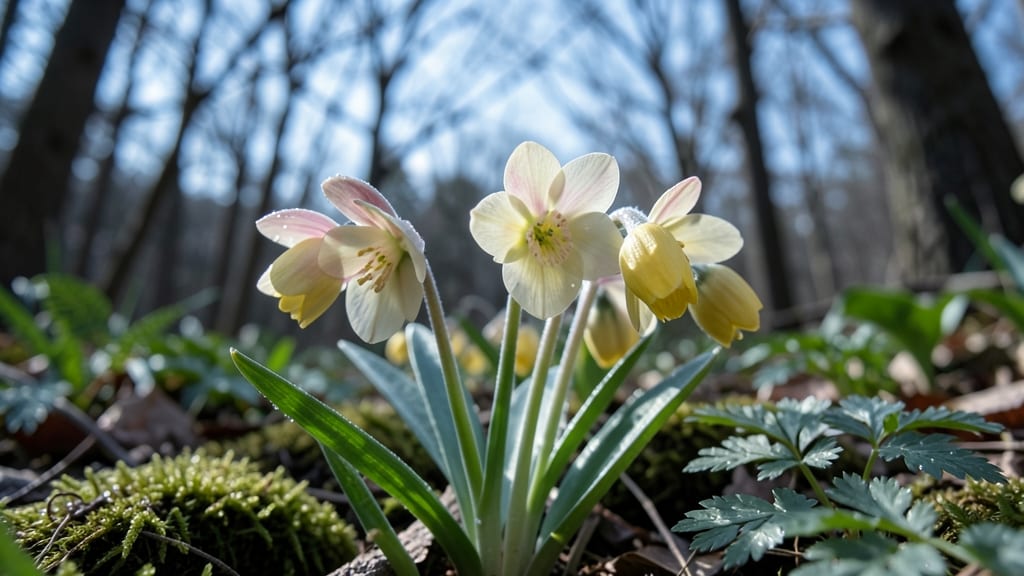
When your garden needs a whisper of spring before the season arrives, primroses like the charming Cowslip deliver soft pastel blooms that defy February's chill. These delicate flowers—with their nodding yellow or pink blossoms—thrive in moist, shaded spots where other plants might struggle, making them perfect for woodland edges or under trees.
Plant primrose seeds or bare-root plants in early fall for blooms as early as late winter, choosing varieties like 'Cowslip' or 'Oxford' for their classic cottage-garden appeal. They prefer rich, well-draining soil and benefit from a layer of mulch to retain moisture. With their fragrant blooms lasting 3-4 weeks, primroses attract early pollinators like bees and butterflies, adding life to your garden just as winter loosens its grip.
Ideal for shade gardeners, cottage-style landscapes, or containers in partial shade, primroses bring a touch of old-world charm with minimal effort. Their low-maintenance nature makes them perfect for gardeners who love romance without the fuss. 🌷
Viola Sweetheart Pansy Variety

If you want February blooms that last longer than pansies, Viola Sweetheart is your secret weapon. These compact violas burst into color weeks earlier than traditional pansies, offering a longer season of vibrant hues in containers, window boxes, or garden borders—often from late winter through spring.
Unlike their larger pansy cousins, Sweetheart violas thrive in cooler temperatures and even light frosts (USDA zones 4-9), making them perfect for early-season color. Their sweet, honey-like fragrance adds an extra sensory delight, while their dwarf growth habit (6-8 inches tall) makes them ideal for small spaces. Plant them in well-draining soil with morning sun and afternoon shade for prolonged blooms, and pinch back spent flowers to encourage continuous blooming.
Perfect for urban gardeners, container enthusiasts, or anyone craving low-maintenance February color, these violas bring both beauty and fragrance to winter gardens—without the fuss of high-maintenance perennials. 🌷