
Blooming
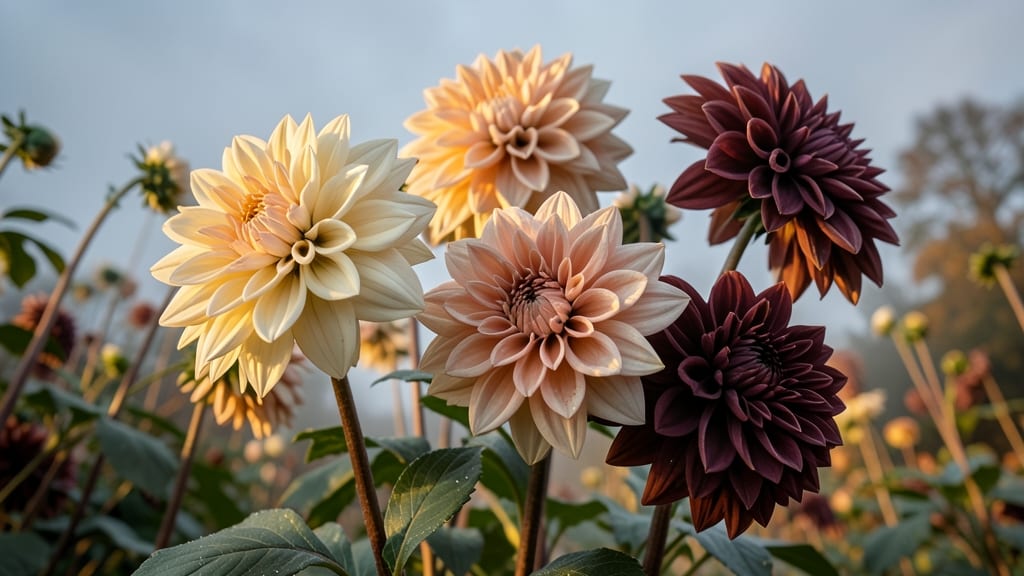
October gardens may seem quiet, but these ten hardy flowers defy autumn’s chill with vibrant blooms. Perfect for extending your garden’s season, they attract pollinators, add late color, and thrive in cooler temperatures—ideal for both containers and borders.
Chrysanthemums for Long-Lasting Autumn Color
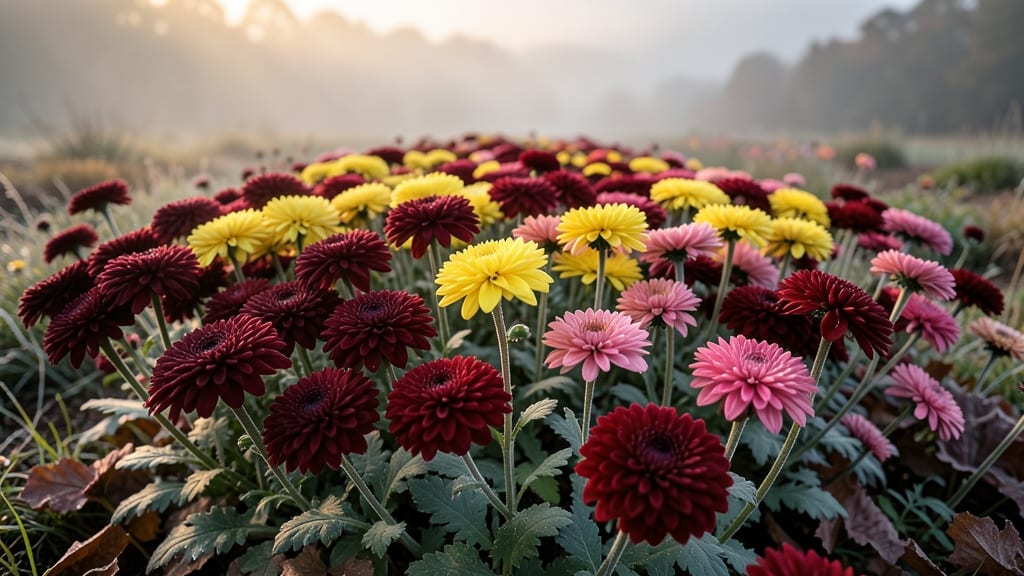
When you need bold, long-lasting color that defies autumn’s chill, chrysanthemums are the superstars of October gardens. With over 50 varieties in shades from deep burgundy to sunny yellow, they’re the perfect way to extend your garden’s season—and even your wedding bouquets.
These hardy perennials thrive in cool weather, blooming from early fall until the first frost. For cutting gardens, choose spray or pompon types like ‘Bright Lights’ or ‘Mammoth’, which stay fresh for 10+ days in vases. Deadhead spent blooms to encourage more flowers, and pinch back early growth in spring for bushier plants. They’re also deer-resistant, making them ideal for rural gardens.
Florists and home gardeners alike love chrysanthemums for their versatility—plant them in borders, containers, or mass plantings for dramatic effect. With minimal care, you’ll enjoy vibrant blooms that outshine most summer flowers. 🌻
Japanese Anemones for Graceful Late Blooms
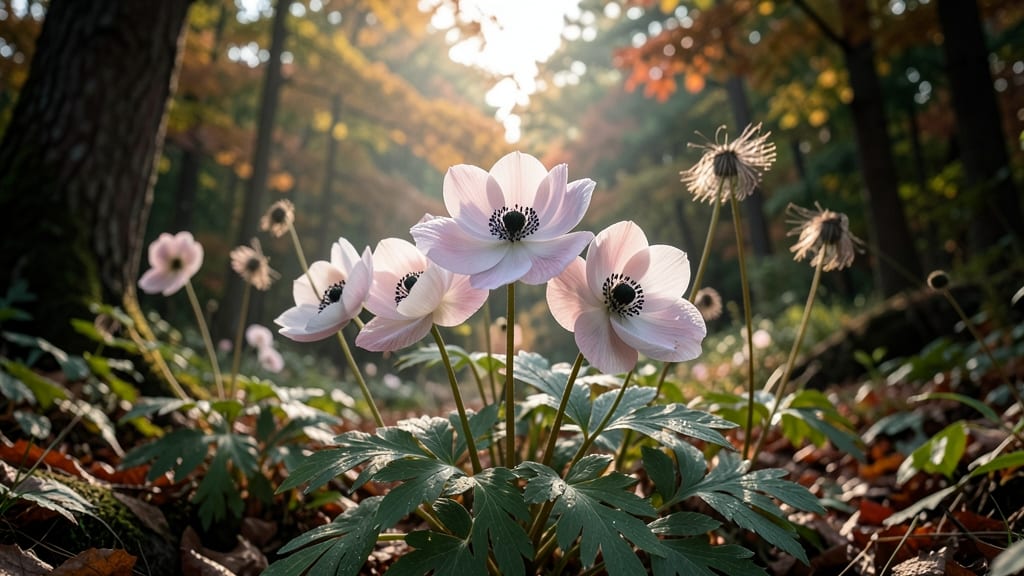
While chrysanthemums steal the spotlight with their bold colors, Japanese anemones offer a quieter yet equally enchanting late-season display. These elegant bloomers thrive where many flowers falter—in dappled shade and cooler temperatures—making them the unsung heroes of woodland gardens and shaded borders.
Their delicate pink or white flowers (often with contrasting yellow centers) appear in late summer to early fall, lasting weeks longer than many annuals. The fern-like foliage remains lush even as temperatures drop, creating a soft, textured backdrop for your garden. Plant them in partial shade (3-6 hours of sun) with well-draining soil, and they'll reward you with minimal fuss—no deadheading required, as spent blooms add winter interest.
Perfect for gardeners who crave low-maintenance beauty, these perennials also attract butterflies and thrive in USDA Zones 4-8. Pair them with hostas or ferns for a lush, understory effect that feels straight out of a Japanese garden. 🌿
Asters for Pollinator-Friendly Gardens
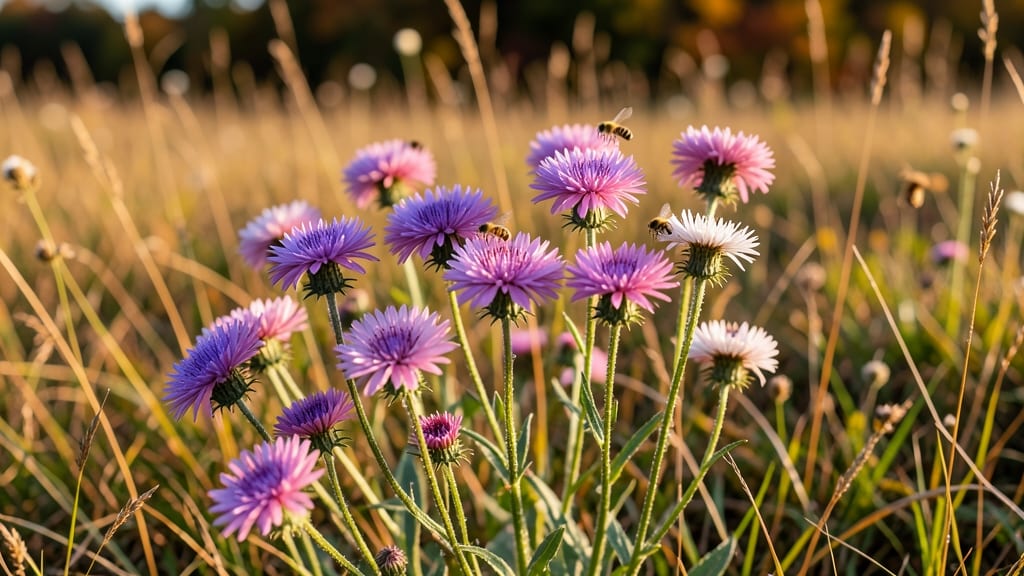
When bees and butterflies start disappearing as summer winds down, asters step in as nature's late-season lifeline. These native North American perennials burst into daisy-like blooms in shades of purple, pink, and white—just when pollinators need food most before winter.
Plant them in full sun to part shade and watch them thrive even after light frosts. New England asters (Symphyotrichum novae-angliae) and New York asters (S. novae-belgii) are top performers, reaching 2-4 feet tall with clusters of tiny flowers that bees adore. Deadhead spent blooms to encourage more flowers until the first hard freeze.
Perfect for wildflower meadows or cottage gardens, asters are low-maintenance and deer-resistant. They’ll reward you with weeks of color while supporting your local ecosystem. 🌻
Goldenrod for Sun-Loving Late-Season Height
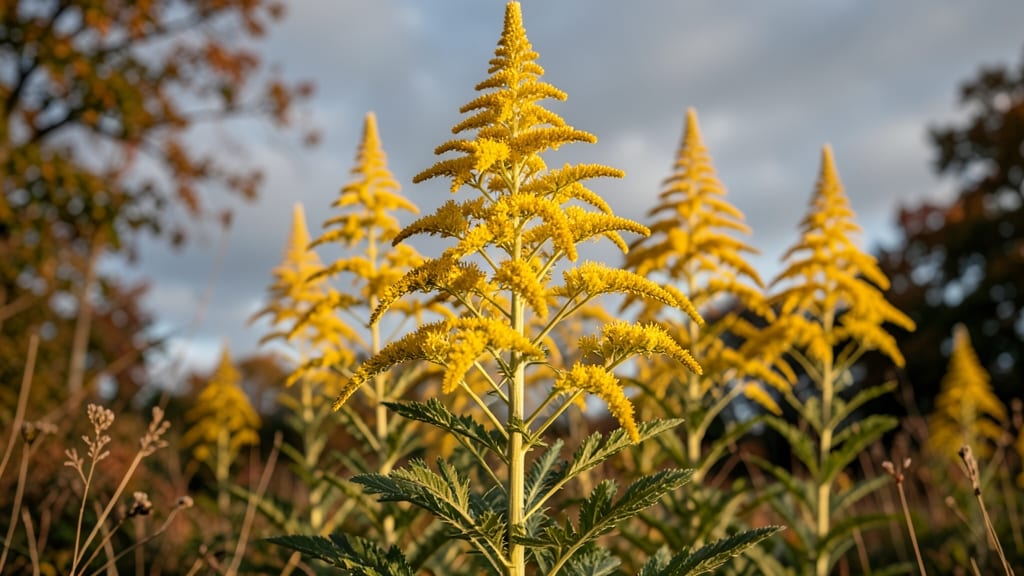
When your garden needs a dramatic vertical pop in October, goldenrod delivers with its towering 3–5-foot plumes of bright yellow blooms. Unlike shorter fall flowers, this native perennial adds bold height to borders while supporting monarch butterflies during their critical migration period.
Plant goldenrod in full sun (at least 6 hours daily) and well-drained soil—it thrives in average conditions and even tolerates drought once established. Deadhead spent blooms to encourage more flowers, and leave the stems for winter interest. This low-maintenance workhorse pairs beautifully with asters or Russian sage for a late-season pollinator haven.
Perfect for sunny borders, meadows, or wildflower gardens, goldenrod is a must-have for gardeners who want both height and impact without fuss. 🌻
Mums for Container and Cut Flower Gardens
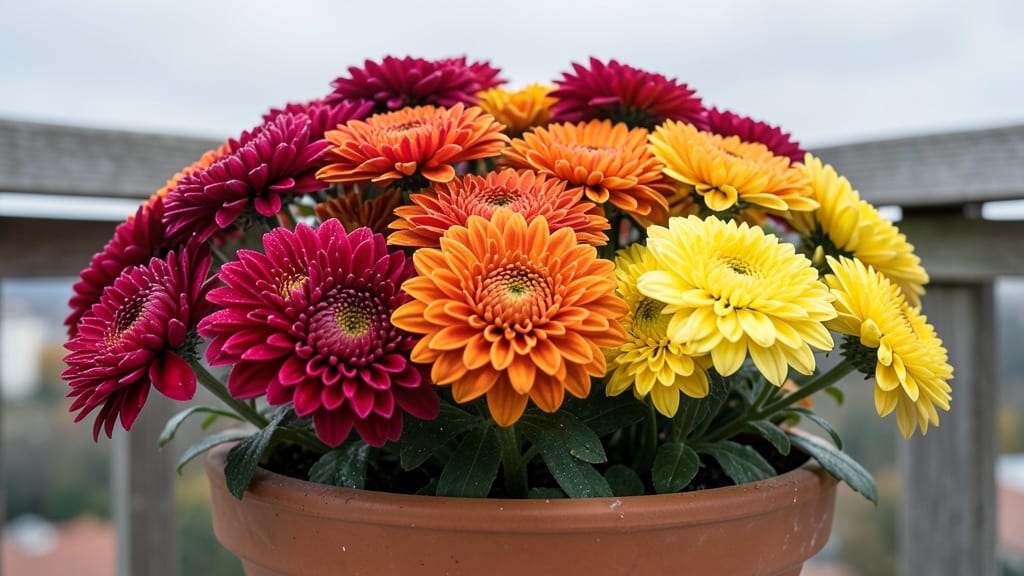
If you love instant color but have limited space, compact chrysanthemums like 'Jolanda' or 'Bright Lights' are your secret weapon. These container-friendly varieties burst into vibrant blooms just as summer winds down, making them perfect for patios, balconies, and small urban gardens where larger plants won’t fit.
Choose dwarf varieties that stay under 12 inches tall—they thrive in well-draining pots with just 4-6 hours of sun daily and minimal watering once established. Deadhead spent blooms to encourage more flowers, and you’ll enjoy weeks of autumn color with almost no maintenance. Their long vase life also makes them ideal for cut flower arrangements that last well into November.
Urban gardeners and renters will love how these mums fit seamlessly into small spaces while delivering big impact. Plus, their deer-resistant nature makes them a hassle-free choice for country gardens too. 🌻
Russian Sage for Drought-Tolerant Purple Spikes
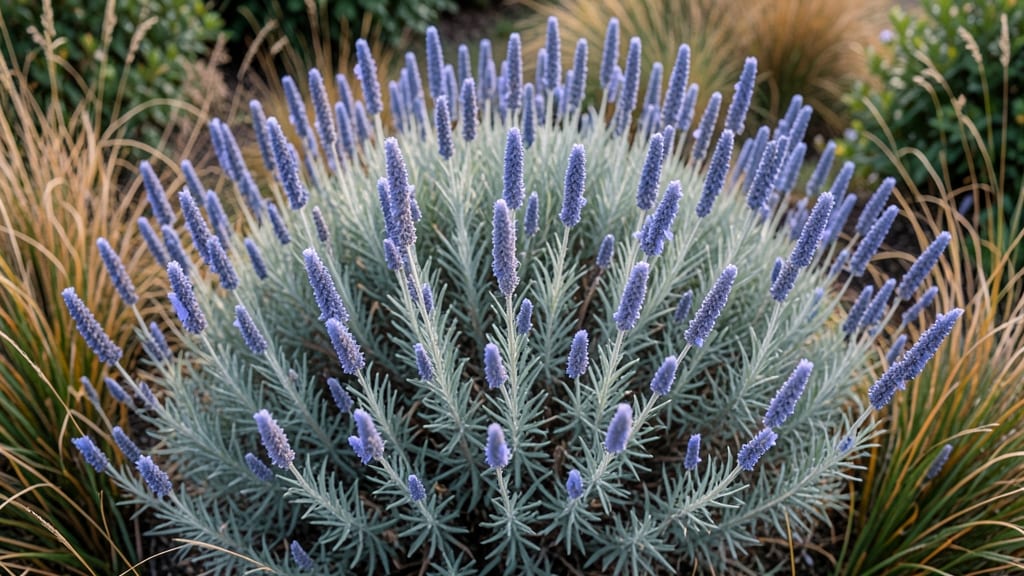
If you're craving low-water, high-impact color that thrives when other plants wilt, Russian sage (Perovskia atriplicifolia) delivers lavender-blue flower spikes that bloom from late summer through October—often lasting into early winter. This drought-resistant superstar doesn't just survive dry conditions; it repels pests naturally with its aromatic foliage, making it a garden workhorse for busy or high-maintenance spaces.
Plant Russian sage in full sun (6+ hours daily) with well-draining soil, and water only when the top inch of soil is bone-dry—once established, it thrives on rainfall alone. The silvery-green leaves provide striking contrast to its vertical flower spikes, while its deer-resistant nature makes it ideal for rural gardens. Prune back by one-third in early spring to encourage bushier growth and more abundant blooms.
Perfect for xeriscaping, urban gardens, and pollinator-friendly landscapes, Russian sage adds seasonal structure without demanding attention. It’s the ultimate zero-effort plant for gardeners who want year-round interest with minimal upkeep. 💚
Ornamental Kale for Edible Fall Interest
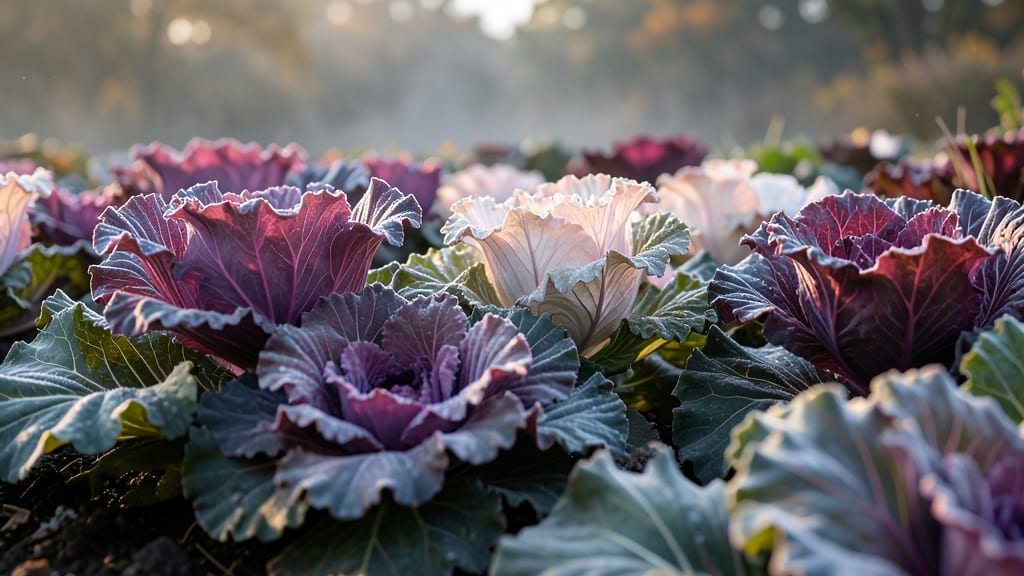
Skip the flowers this October and focus on ornamental kale for a showstopping foliage display that’s as edible as it is beautiful. While other plants fade, varieties like 'Pink Frost' or 'Russian Red' develop stunning purple, pink, and white hues that rival any bloom—without needing pollinators or sunlight.
This cold-hardy biennial thrives in full sun to partial shade and actually tastes sweeter after light frosts. Plant seeds in early spring or buy transplants in late summer for instant fall color that lasts until winter. It’s perfect for edible landscapes, containers, or moon gardens where you want drama without flowers.
Urban gardeners and beginners will love how easy it is to grow—just keep the soil moist and harvest outer leaves for salads. The textured foliage also provides winter interest, making it a year-round star. 🌷
Black-Eyed Susans for Cheerful Yellow Blooms
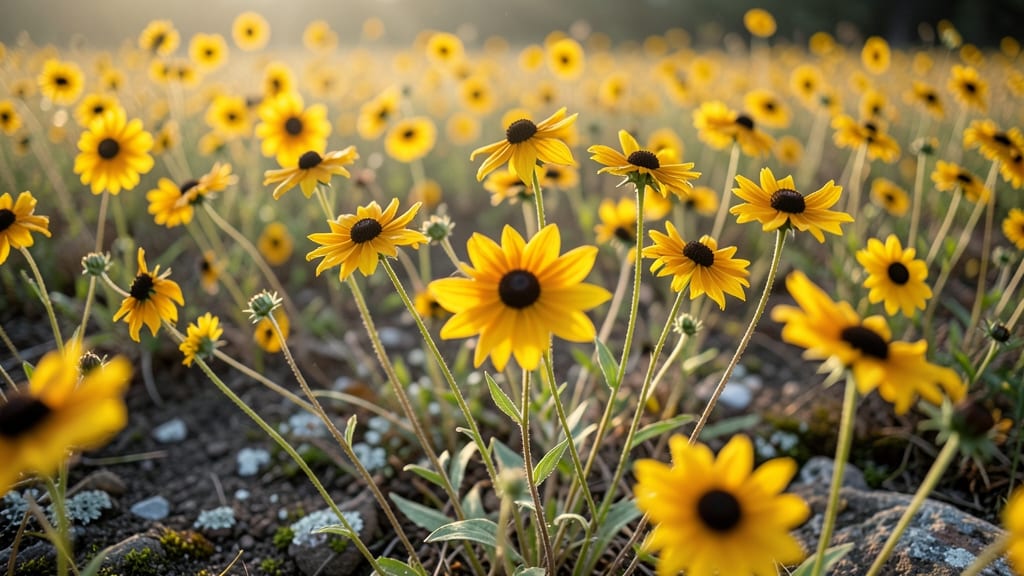
If you're dreaming of a wildflower meadow that requires almost no effort, black-eyed Susans are your secret weapon. These cheerful, golden-yellow blooms with dark centers thrive in poor soil, spread effortlessly, and bring pollinators buzzing to your garden well into October.
Plant them in full sun to part shade and watch them naturalize over time, creating a sea of color with minimal maintenance. They tolerate drought once established and even improve soil health by attracting beneficial insects. For the best late-season display, deadhead spent blooms in early fall to encourage a second flush of flowers.
Perfect for budget-conscious gardeners and those with challenging soil, black-eyed Susans deliver maximum impact with zero fuss. They’re also deer-resistant, making them ideal for rural properties. 🌻
Cyclamen for Shady Woodland Gardens
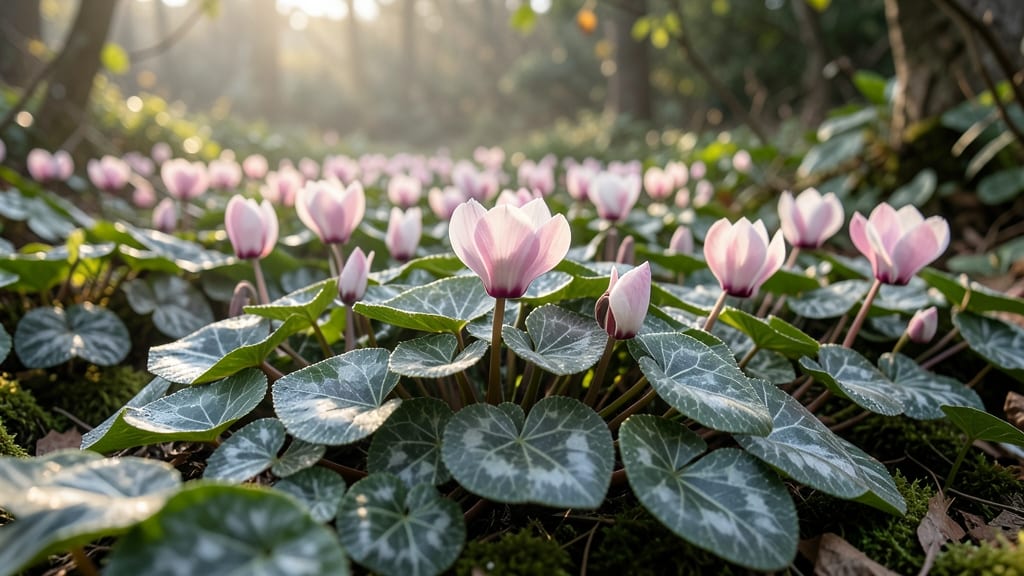
If your garden has patches of partial shade where most flowers struggle, cyclamen are the underrated heroes you’ve been missing. These woodland darlings produce heart-shaped leaves with striking silver marbling and delicate pink or white flowers that bloom from late summer into October—often when other plants have faded.
Perfect for understory planting (think beneath trees or along shady fences), cyclamen thrive in cool, moist soil with morning sun and afternoon shade. Their tubers naturally resist rot, making them ideal for woodland gardens, rockeries, or containers with well-draining mix. For extended blooms, deadhead spent flowers and keep the soil consistently moist but not soggy—these plants reward patience with months of color when few others survive.
Shade gardeners and woodland enthusiasts will love how cyclamen create a fairy-tale atmosphere with their unique foliage and flowers. They’re also deer-resistant, making them a low-stress choice for rural properties. 💚
Dahlia Varieties for Late-Season Drama

When you crave dramatic, oversized blooms that defy autumn’s chill, late-season dahlias like 'Café au Lait' and 'Thomas Edison' deliver the wow factor. Unlike their summer-blooming cousins, these varieties rebound in October, producing garden-sized flowers perfect for cutting and holiday arrangements.
Plant them in full sun (6+ hours daily) with rich, well-draining soil—add compost at planting for extra vigor. Stake tall varieties early to prevent flopping, and deadhead spent blooms to encourage more flowers. These dahlias thrive in USDA Zones 8-10 but can be dug and overwintered in colder climates. Their ruffled, velvety petals make them showstoppers in vases, lasting up to two weeks with fresh cuts.
Floral designers and home gardeners who love statement-making blooms will adore these dahlias—they’re ideal for Thanksgiving centerpieces or winter wreaths. Just be prepared for neighbors to ask where you got them! 🌷