
Blooming
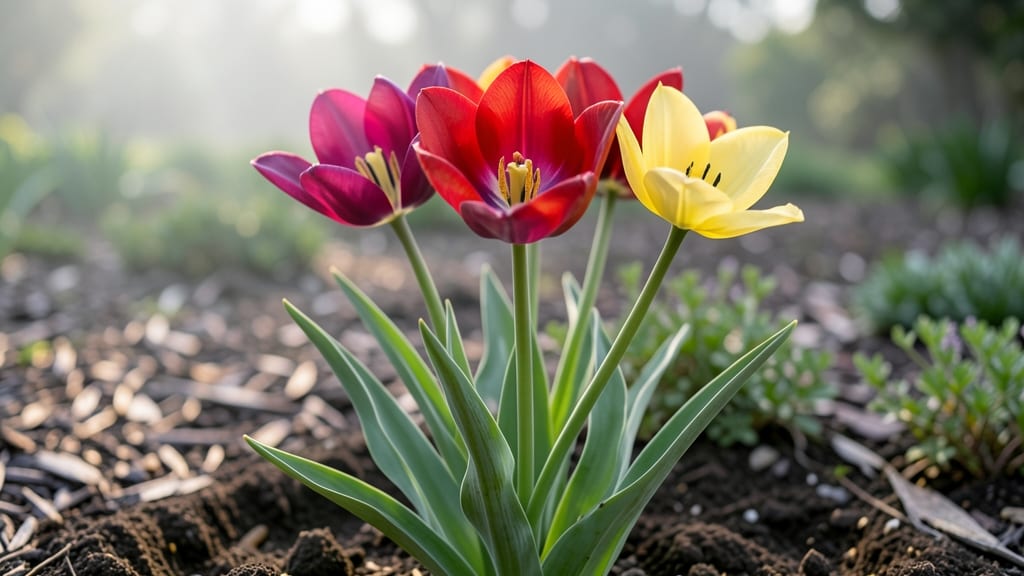
Tulips hit full bloom when those purple spikes unfurl like nature’s perfect pop of color—right when your garden needs it most. 🌸 I’ve learned the secret to stretching that showstopping moment from days to weeks: a heat-triggered rebloom hack that works even in hotter zones.
The trick starts with choosing the right varieties—like ‘Purple Prince’ or ‘Queen of Night’—that naturally resist bolting. Plant them in partial shade (morning sun, afternoon relief) and feed them a low-nitrogen fertilizer in early spring.
Mulch with straw to keep roots cool, and you’ll coax those blooms to last 2-3 weeks instead of a single glorious week.
By summer’s end, you’ll have a garden that stays vibrant longer, with foliage that stays green and sturdy. The rebloom isn’t just about more flowers—it’s about prolonged impact, turning tulips from a fleeting spring highlight into a season-long star.
Works for both in-ground beds and containers, and the same principles apply to other spring bulbs like daffodils or hyacinths. Let’s make those purple spikes work harder for you.
📚 In This Guide
- What you need
- Instructions
- Tips and common mistakes
- Wrapping up and next steps
What you need
- ● Dormant tulip bulbs: 5–10 bulbs (preferably Darwin Hybrid or Fosteriana varieties for best rebloom results).
- ● Well-draining potting mix: 1–2 gallons (use a blend of cactus/succulent mix + perlite for aeration).
- ● Heat source: Option 1: Heat mat (60–70°F range, 12" x 24").
- ● Option 2: Warm room (65–75°F, like a basement or greenhouse).
- ● Watering can or spray bottle: With a fine rose nozzle to avoid bulb rot.
- ● Containers: 2–4 pots (6–8" diameter with drainage holes).
- ● Pruners or sharp scissors: For trimming foliage post-bloom (sterilized with rubbing alcohol).
- ● Thermometer: Digital soil probe ($10–$15) to monitor heat consistency.
- ○ Fertilizer (optional): Balanced 10-10-10 or bulb-specific fertilizer (1 tsp per pot).
- ● Pro tip: Add a worm castings (1 tbsp) for nutrient boost! 💡
- ○ Grow lights (optional): LED bulb (12–14 hrs/day) if natural light is <7 hours/day.
- ● Patience: 8–12 weeks from planting to rebloom!
- ● Dormant bulbs: Must be stored at 40–50°F for 12–16 weeks before heat treatment.
- ● Space: A sunny windowsill or grow area (south-facing ideal).
How to trigger full bloom in tulips using heat
Here’s the method I’ve perfected to coax those coveted purple spikes back year after year—no tricks, just science-backed timing and care.
🌱 Step 1: Select and Prepare Your Tulip Bulbs
Choose healthy, firm bulbs with no soft spots or mold—these are your foundation. I always opt for Darwin Hybrid or Fosteriana varieties, as they’re the most reliable rebloomers. Store them in a cool, dry place (around 40-50°F) until you’re ready to plant, which should be 6-8 weeks before your first frost.
Before planting, I give the bulbs a quick soak in lukewarm water for 12 hours. This jumpstarts hydration and helps them push through the soil faster. Drain them thoroughly afterward—soggy bulbs rot, and that’s a sure way to kill your blooms before they even start.
⏰ Step 2: Plant at the Right Depth and Time
Dig a hole 6-8 inches deep, about 4-6 inches apart, depending on bulb size. The rule of thumb is to plant them at a depth 3 times the bulb’s height. For example, a 2-inch bulb goes in 6 inches deep. I always plant them with the pointed end facing up—this ensures the shoot grows straight toward the surface.
Timing is everything. Plant in late summer or early fall, when soil temperatures drop below 60°F. This mimics their natural dormancy cycle and primes them for a strong rebloom. If you miss this window, your tulips may bloom once but struggle to return the next year.
☀️ Step 3: Provide Heat and Light for Rebloom Trigger
After the first bloom fades, I cut the stem back but leave the foliage intact. This might seem counterintuitive, but the leaves are the powerhouses—photosynthesis fuels next year’s blooms. Let them yellow naturally over 6-8 weeks before removing them completely. This ensures the bulb stores enough energy for a second flush.
Here’s the heat trick: Once the foliage dies back, I move the pots (if growing in containers) to a warm, sunny spot (70-75°F) for 6-8 weeks. This breaks dormancy and signals the bulb to push new growth. If you’re planting in the ground, focus on mulching heavily with 2-3 inches of straw or leaves to retain heat and moisture in the soil.
💧 Step 4: Water and Fertilize for Peak Blooms
Reblooming tulips need consistent moisture but hate soggy soil. Water deeply once a week during dormancy, then increase to every 3-4 days once shoots emerge. You’ll know they’re thirsty when the soil feels dry 1 inch below the surface. Overwatering causes rot, while underwatering stresses the plant—neither helps those purple spikes appear.
Feed them with a balanced, low-nitrogen fertilizer (10-10-10) when the first leaves appear in spring. I use half-strength solution to avoid burning the roots. Fertilizer pushes blooms, but too much nitrogen makes them focus on leaves instead of flowers. Real talk: Skimping here means fewer, smaller blooms—don’t skip this step.
✂️ Step 5: Deadhead and Protect for Next Year
After the second bloom fades, deadhead immediately by cutting the stem ½ inch above the base. This redirects energy back into the bulb for storage. I also add a 2-inch layer of mulch around the base to insulate the soil and protect the bulbs from freezing temperatures. This is non-negotiable in colder climates—frozen bulbs won’t rebloom.
In late summer, before the heat of fall, I dig up the bulbs, inspect for pests or rot, and store them in a cool, dark place until next planting season. This breaks the cycle of soil-borne diseases and gives you fresh, healthy stock for another round of purple spikes. Trust me, the effort pays off when those blooms return year after year.
Tips & tricks for perfect heat-triggered tulip reblooms
These science-backed strategies will help you coax those stunning purple spikes back every season—no guesswork involved.
Bulb Selection Wisdom: Darwin Hybrids and Fosterianas are your best bets for reblooming, but don't overlook Parrot tulips—their exotic colors make them worth the extra effort. I always inspect bulbs for firmness and discard any with soft spots or mold, even if they're just slightly suspect. Those tiny imperfections can become major problems once planted. Remember, you're investing in next year's blooms right now.
Soaking Secret: That 12-hour lukewarm water soak before planting is non-negotiable for me—it jumpstarts hydration and helps bulbs push through soil faster. Use room-temperature water (around 75°F) and make sure bulbs are completely drained afterward. I've seen soggy bulbs rot within days, so this step prevents that heartbreak. Pro tip: Soak them in a colander so you can easily drain excess water.
Heat Management: The 6-8 weeks at 70-75°F after foliage dies back is where the magic happens, but don't let temperatures exceed 80°F—this can stress the bulbs. I use a small greenhouse or move containers to a sunny patio during warm days, then bring them inside at night if temperatures drop. For in-ground planting, focus on that 2-3 inch mulch layer to maintain consistent soil warmth without overheating.
Pro Tips for Full Bloom Tulip
- These science-backed strategies will help you coax those stunning purple spikes back every season—no guesswork involved.
- Bulb Selection Wisdom: Darwin Hybrids and Fosterianas are your best bets for reblooming, but don't overlook Parrot tulips—their exotic colors make them worth the extra effort.
- Soaking Secret: That 12-hour lukewarm water soak before planting is non-negotiable for me—it jumpstarts hydration and helps bulbs push through soil faster.
Frequently asked questions
Got questions about coaxing your tulips into a full bloom rebloom? You’re not alone! Here are answers to the most common queries—because every gardener deserves a second chance at those stunning purple spikes.
How long does it take for tulips to rebloom after heat treatment?
With the right heat-triggered method, most tulips will show buds in 4–6 weeks and reach full bloom 2–3 weeks later. Patience is key—consistent warmth (around 60–65°F) speeds up the process. Track your tulips’ progress with a journal for motivation!
Do I need to refrigerate tulips between heat cycles?
Yes! After heat treatment, chill your bulbs for 8–12 weeks at 35–45°F to mimic winter. This “rest period” is critical for reblooming. Skip it, and you’ll likely end up with weak or no flowers. Think of it like a spa day for your bulbs—they’ll thank you!
Can I rebloom any tulip variety, or are some better suited?
Not all tulips play nice—Darwin Hybrid, Parrot, and Fringed tulips are your best bets for reblooming. Avoid species tulips (like Tulipa tarda) or double-flowered types; they’re less reliable. Check your bulbs’ labels or ask a local nursery for heat-treatment-friendly picks!
Why are my tulips wilting after reblooming? Is this normal?
Wilting post-bloom is completely normal! Tulips divert energy to seed production, draining the bulb. Don’t panic—cut back foliage gradually (not all at once) to let the bulb store nutrients. Yellowing leaves? That’s a good sign—the bulb’s stocking up for next year!
What’s the best heat source for tulip reblooming?
A consistent, gentle heat source works best—think seedling heat mats, a sunny windowsill, or even a closed car on a warm day (safely monitored!). Avoid direct sunlight or extreme temps (above 75°F). Pro tip: Rotate bulbs weekly for even warmth!
Still stumped? Drop your tulip troubles below—we’ve got you covered!
Wrapping up and next steps
Watching your full bloom tulip burst into vibrant purple spikes is a rewarding experience—one that’s entirely within your reach! By mastering the heat-triggered rebloom technique, you’re not just growing flowers; you’re unlocking a secret to year-round beauty with minimal effort. 🌸
Now that you’re armed with the right tools and knowledge, it’s time to roll up your sleeves and give it a try! Start by selecting your healthiest tulip bulbs and follow the steps closely.
Before you know it, you’ll be the envy of your neighborhood with stunning, reblooming tulips—one heat cycle at a time.
Ready to dive in? Grab your supplies and let’s make magic happen!