
Blooming
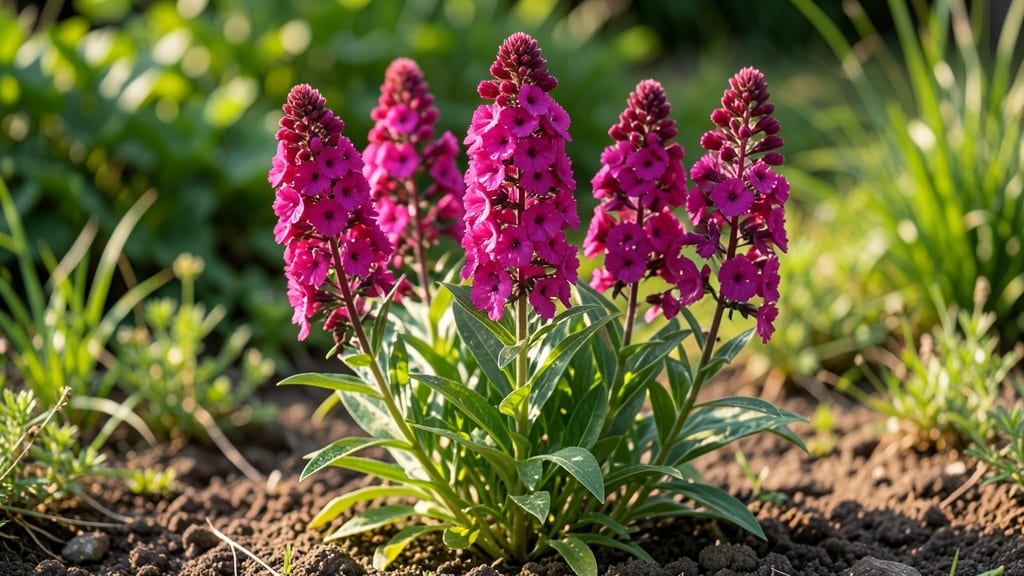
Garden phlox blooms from late spring through summer 🌸, but the timing depends on your variety and climate—some even stretch into early fall with the right care.
Want vibrant summer blooms that last well into fall? Garden phlox isn’t just a pretty face—it’s a strategic choice for extending your seasonal color display with the right varieties.
In USDA Zone 6, most phlox varieties burst into color by early June, but late-blooming types like ‘David’ or ‘Starfire’ can keep your garden lively until September.
Discover how sunlight, soil, and pruning tricks can shift your bloom window by weeks—so you get longer displays and fewer gaps between seasons.
Understanding garden phlox bloom time by variety type
Garden phlox is a summer staple that transforms your landscape into a fragrant, colorful masterpiece—but not all varieties bloom at the same time. Early bloomers kick off the season, while late-season varieties keep the show going well into fall.
Knowing these differences helps you plan season-long color displays that attract pollinators and delight visitors.
Your USDA hardiness zone plays a critical role in bloom timing. For example, Zone 5 gardeners may see phlox bloom 2-3 weeks earlier than those in Zone 8. Cooler climates trigger earlier flowering, while warmer zones often delay blooms until late summer.
Let’s break down the key varieties and their ideal bloom windows to help you strategize your garden layout.
🌸 Pro Tip: Pair early, mid, and late-season phlox together for a seamless transition of blooms from June through October.
If you live in Zone 5 or cooler, focus on early bloomers like David to capitalize on shorter summers. These varieties often finish flowering by mid-July, leaving room for mid-season phlox like Starfire to take over.
In Zones 7-9, late bloomers like Jeana thrive, pushing blooms well into October before frost.
For coastal gardens or humid climates, expect blooms to shift slightly later due to milder conditions. For example, Blue Dawn might not peak until mid-August in Zone 8, whereas it blooms in late July in Zone 5.
Always check your local last frost date to align planting with optimal bloom windows.
💡 Light Matters: Phlox in partial shade (4-6 hours of sun) may bloom 1-2 weeks later than those in full sun. Adjust your expectations if your garden is shadier than average.
One of my favorite tricks is to plant phlox in staggered rows—early bloomers in the front, mid-season varieties behind them, and late bloomers at the back. This creates a waterfall effect where one variety fades just as the next begins.
For example, David (early) transitions seamlessly into Starfire (mid), which then hands off to Jeana (late).
Don’t forget that soil fertility impacts bloom time too. Rich, well-draining soil with organic matter encourages earlier and more abundant flowering. Amend your beds with compost or aged manure in early spring to give phlox a head start. Avoid over-fertilizing with high nitrogen, though—this promotes leafy growth over flowers.
For container gardening, choose dwarf varieties like Emerald Blue
How to choose late-blooming phlox for extended seasonal interest
Want vibrant summer blooms that last well into fall? Garden phlox isn’t just a pretty face—it’s a strategic choice for extending your seasonal color display with the right varieties.
Late-blooming phlox varieties like David and Starfire can keep your garden lively through September and October, defying the typical summer-only bloom cycle. The key lies in selecting varieties that thrive in cooler temperatures and pairing them with optimal growing conditions.
To maximize your phlox’s late-season performance, focus on three critical factors: variety selection, soil preparation, and sunlight exposure. Each of these elements directly impacts how long your phlox will continue to bloom.
For example, tall garden phlox varieties often bloom later than their dwarf counterparts, while well-draining soil prevents root stress that can cut blooms short.
- ✔️ Select varieties like David or Blue Dawn—these bloom August through October.
- ✔️ Amend soil with compost and organic matter to improve drainage and nutrient retention.
- ✔️ Plant in full sun (6+ hours) but provide afternoon shade in hot climates to prevent stress.
- ✔️ Space plants 12-18 inches apart to reduce competition and improve airflow.
- ✔️ Pair with companion plants like coreopsis or black-eyed Susan for extended visual interest.
Late-blooming phlox varieties are your secret weapon for a garden that refuses to surrender its charm as summer fades. David phlox, for instance, is a top performer, offering deep purple blooms that thrive in cooler temperatures.
Another excellent choice is Starfire, which produces bright pink flowers and often continues blooming until the first frost. These varieties are bred to handle the transition from summer heat to autumn chill, making them ideal for extending your seasonal display.
Soil preparation is equally critical. Phlox thrives in well-draining soil with a slightly acidic pH (6.0-7.0). Before planting, mix in 2-3 inches of compost or aged manure to enrich the soil and improve moisture retention.
This ensures your plants have the nutrients they need to support a long bloom season. Avoid heavy clay soils, which can suffocate roots and shorten the flowering period.
Sunlight needs are another game-changer. While phlox loves full sun (6+ hours daily), it’s essential to consider your local climate. In hotter regions (USDA Zones 7-9), provide afternoon shade to prevent the plants from wilting prematurely.
This balance of sun and shade helps maintain steady blooming well into fall. Additionally, mulching around the base of your phlox with straw or wood chips helps retain moisture and regulates soil temperature, further extending the bloom period.
Companion planting can also work wonders. Pair your late-blooming phlox with coreopsis, black-eyed Susan, or sedum to create a dynamic, long-lasting display. These plants complement phlox’s blooms and fill in gaps as some varieties begin to fade.
For example, coreopsis often blooms alongside phlox in late summer, ensuring your garden stays vibrant without any lulls in color.
With the right variety, soil, sunlight, and companions, your garden phlox can keep blooming until October or even November in cooler climates.
The effort you put into selecting and caring for these plants will pay off with a stunning, extended-season display that turns heads and keeps your garden looking its best well into autumn. 🌸