
Blooming
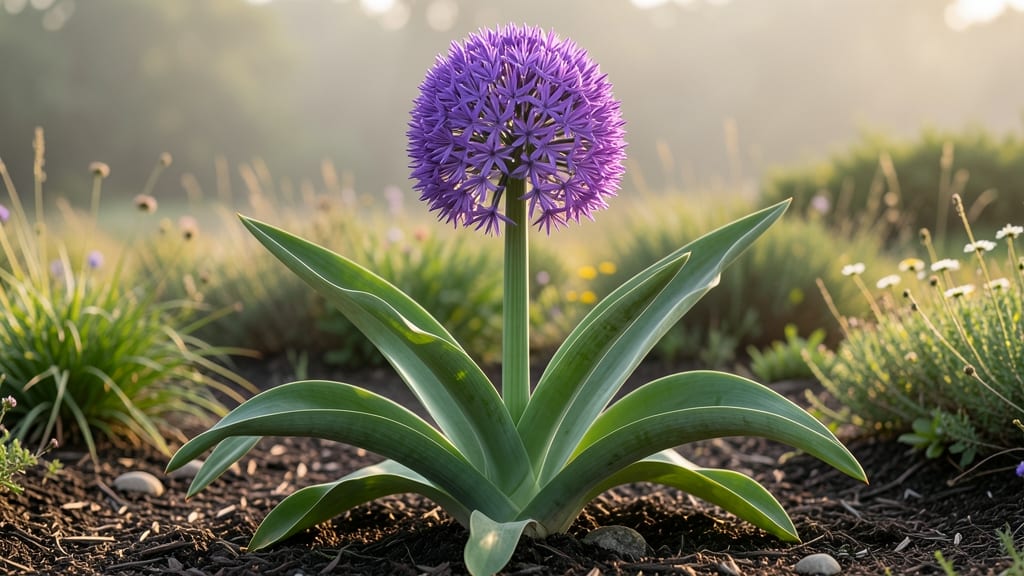
The giant allium bloom time transforms your garden into a showstopper in late spring to early summer 🌷, with their towering, globe-shaped flowers stealing the scene.
If you’ve ever missed their dramatic display, timing is the key—plant too early or late, and you’ll watch your neighbors’ blooms while yours stay stubbornly closed.
Here’s the month-by-month breakdown you need to align their bloom time with your hardiness zone, from Zone 3’s early May to Zone 9’s June spectacle.
You’ll also discover how soil temperature, elevation, and even companion plants can shift their bloom window by weeks—so your giant alliums never play second fiddle.
When do giant alliums bloom: month-by-month hardiness Zone guide
Giant alliums (Allium giganteum) are famous for their 3-4 foot globe-shaped blooms that transform gardens into dramatic focal points. But their bloom timing varies wildly depending on your USDA hardiness zone—from early spring in warm climates to late spring in colder regions.
Understanding these shifts ensures you never miss their stunning floral display.
In Zone 8-9, giant alliums often bloom as early as March-April, while gardeners in Zone 3-4 may not see flowers until June-July. Even within a single zone, elevation changes can delay blooms by 2-4 weeks.
Let’s break down the exact month-by-month bloom windows for each zone, plus how to adjust for your local climate.
| USDA Zone | Early Bloom | Peak Bloom | Late Bloom | Notes |
|---|---|---|---|---|
| Zones 3-4 | Late May | June | Early July | Coldest zones; use row covers for earlier blooms. |
| Zones 5-6 | Early May | May-June | Late June | Moderate climates; ideal for cut flowers. |
| Zones 7-8 | March-April | April-May | Early June | Warmest zones; may rebloom if deadheaded. |
| Zones 9-10 | February-March | March-April | May | Longest bloom season; plant in fall for winter blooms. |
If you live in Zone 4 or colder, giant alliums often need a head start to bloom on time. Plant bulbs in late summer or early fall (instead of spring) to establish roots before winter.
In Zone 8+, you can even force winter blooms by planting in September-October.
Elevation matters too: For every 1,000 feet above sea level, blooms may shift 1-2 weeks later. For example, a Zone 6 garden at 5,000 feet might bloom closer to Zone 5 timing. Use local frost dates as your guide—plant bulbs 6-8 weeks before your average last frost for optimal results.
In Zone 5-7, giant alliums often bloom in late May-June, making them perfect for late-spring cut flower gardens. Pair them with early bloomers like tulips or late bloomers like black-eyed Susans for a season-long floral display.
In Zone 9-10, their early blooms align with winter-spring transitions, adding color when other perennials are dormant.
Pro tip: Deadhead spent blooms in Zones 7-10 to encourage a second flush of flowers later in the season. In colder zones, skip deadheading to let seeds form—this helps naturalize your garden over time. Always water deeply after planting to prevent bloom failure.
For container gardening, giant alliums thrive in Zone 6+ with full sun exposure. Use large pots (at least 12 inches deep) and plant 2-3 bulbs per container for a dramatic effect.
In Zone 5 or colder, overwinter containers in a protected location or dig up bulbs after foliage dies back.
Remember: Soil temperature is the #1 factor in bloom timing. Giant alliums need consistent soil temps above 50°F to bloom. Use a soil thermometer in early spring to track progress—once temps hit 55°F, blooms are just 4-6 weeks away.
No matter your zone, giant alliums reward patience with their show-stopping blooms. Plan your garden layout around their peak bloom months, and you’ll enjoy months of admiration from neighbors and pollinators alike. 🌷
How to extend giant Allium bloom time with planting strategies
Want your giant alliums to bloom earlier or later? The secret lies in strategic planting and seasonal adjustments. By tweaking soil temperatures, using succession planting, and leveraging companion plants, you can stretch that stunning globe-shaped bloom season for weeks longer.
These techniques work especially well for perennial varieties like Allium giganteum, which thrive with a little extra care.
For gardeners in colder zones (3-5), forcing earlier blooms is possible with row covers or cold frames. In warmer zones (7-9), delaying blooms means adjusting watering and shading. Let’s dive into the proven strategies that’ll keep your alliums flowering like clockwork—no matter your climate.
5 Ways to Extend Giant Allium Bloom Time
- 🌱 Succession Planting: Stagger bulbs every 3-4 weeks in spring for continuous blooms from May to July.
- ☀️ Soil Warmth Trick: Plant bulbs in black plastic mulch to raise soil temps by 5-10°F, speeding up growth.
- 🌿 Companion Plants: Pair with dwarf coneflowers or salvias to attract pollinators and extend bloom duration.
- 🧊 Cold Frame Hack: Cover bulbs with a clear plastic dome in Zone 4 to bloom 2-3 weeks earlier.
- 💧 Watering Schedule: Reduce water in late summer to signal dormancy and encourage reblooming next year.
Start with succession planting—this is my go-to trick for a non-stop display. Plant one-third of your bulbs every 3 weeks starting in March.
For example, if your first batch blooms in late May, the next will follow in early June, and the final batch in July. This simple shift ensures you’re never without those dramatic purple spheres.
In cooler climates, use row covers or cold frames to create a microclimate. I’ve seen Zone 4 gardeners force blooms 3 weeks earlier by covering bulbs in early spring until shoots emerge.
Just remove the cover once 3-inch stems appear to avoid overheating. For warmer zones, focus on shade cloth in late summer to delay blooming until fall festivals.
Don’t overlook the power of companion plants. I pair my giant alliums with dwarf perovskias and catmint—both attract beneficial insects that pollinate the alliums longer. Plus, the contrast in textures makes your garden pop.
For perennial varieties, mulch heavily after blooming to protect bulbs over winter and encourage stronger reblooms next season.
Pro tip: If your alliums bloom too early and flop in heat waves, try partial shade in afternoons. I’ve had success with 50% shade cloth in Zone 8, which keeps blooms fresh for 2 extra weeks.
Just monitor moisture—drought stress shortens bloom time faster than heat alone.
With these planting strategies, you’ll transform your giant alliums from a fleeting spring highlight into a season-long spectacle. Experiment with one or two techniques this year, and watch your bloom time stretch from weeks to months—without extra work. Happy gardening! 🌷