
Flowers
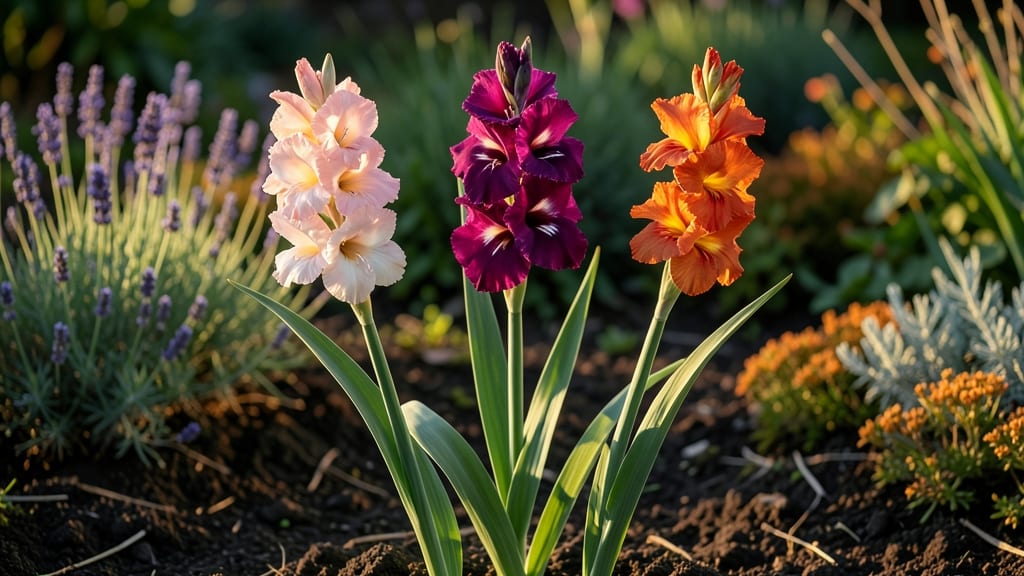
The gladiolus flower bloom time depends on when you plant those striking 🌸 corms and your local climate — but with the right timing, you could see vibrant spikes as early as June or stretch them into September.
Picture this: you’ve just tucked those corms into the soil after the last frost, and now you’re waiting. Will your garden explode with color in early summer, or will you be staring at green foliage until August?
The answer lies in your hardiness zone, the variety you’ve chosen, and a few simple care tricks most gardeners miss.
Gladiolus thrive in full sun and well-draining soil, but their bloom time isn’t just about luck. Planting too early or too late can shift those show-stopping blooms by weeks.
In Zone 6a, for example, March to May planting typically delivers blooms between July and September — but with the right adjustments, you can push those spikes to burst open sooner.
In this guide, I’ll break down exactly when to expect blooms by variety, how your zone affects timing, and the 5 pro tips to coax your gladiolus into flowering earlier — or keep them going longer. No more guessing, just stunning results.
Gladiolus bloom time by variety: when to expect stunning flowers
Timing your gladiolus blooms means choosing the right variety and planting at the perfect moment. These dramatic sword lilies offer a dazzling range of bloom times, from early summer to deep autumn. The key lies in selecting varieties that align with your climate zone and desired bloom window.
Whether you crave early summer color or late-season flair, there's a gladiolus perfect for your garden timeline.
Most gladiolus varieties bloom between 60-120 days after planting, but some exceptional types extend this window even further. Understanding these differences helps you create a sequential bloom garden that keeps color flowing from June through September.
Let's explore the most popular varieties and their precise bloom schedules to help you plan like a pro.
📋 Variety Selection Tip: Early bloomers like 'Green Star' shine in Zone 5 gardens planted in May, while late varieties like 'Black Star' reward patient gardeners in Zone 9 with September-October color. Your zone and planting date determine which varieties will perform best.
Early bloomers like 'Green Star' and 'White Prosperity' are perfect for gardeners who want summer-long color. Plant these varieties in late spring (May) for blooms that arrive just as other summer flowers begin to fade.
Their 60-70 day bloom cycle makes them ideal for cut flower arrangements when you need instant impact.
The mid-season crowd, including 'Picasso' and 'Primo', delivers peak summer color from July through August. These varieties thrive when planted in early to mid-spring (April) and offer the perfect balance between early and late bloomers. Their 75-90 day cycle ensures you won't miss a moment of their vibrant displays.
🌱 Pro Planning Tip: For a continuous bloom garden, stagger your planting by 2-3 weeks. Start with early varieties in May, then add mid-season types in early June, finishing with late bloomers in July. This creates a non-stop color show from July through October.
Late-season varieties like 'Black Star' and 'Aphrodite' are the stars of fall gardens. Their 90-120 day bloom cycles mean you'll need to plant them earlier (March-April) to enjoy their beauty when other flowers have retired.
These varieties are particularly valuable in cooler climates where summer heat might stress other plants.
All gladiolus varieties typically produce 10-20 blooms per spike, with each flower lasting 5-7 days before opening fully. This means a single plant can provide 2-3 weeks of continuous color if properly cared for.
To maximize your bloom time, ensure your plants receive full sun (6+ hours daily) and well-draining soil enriched with compost.
One common misconception is that all gladiolus bloom at the same time. In reality, each flower on the spike opens sequentially
How USDA hardiness zones affect gladiolus bloom timing
Your USDA hardiness zone plays a critical role in determining when your gladiolus flowers will bloom. These frost-sensitive plants thrive in warm weather, and cooler zones require earlier planting to avoid late-season frosts that can damage emerging shoots.
For example, gardeners in Zone 5 must plant corms much earlier than those in Zone 10 to achieve the same bloom timing.
Gladiolus typically need 90-150 days from planting to bloom, depending on variety and growing conditions. In cooler zones, this means starting corms indoors or using row covers to extend the growing season. Meanwhile, warm-zone gardeners can plant directly outdoors as early as February and still enjoy summer blooms.
| USDA Zone | Ideal Planting Time | Average Bloom Window | Key Considerations |
|---|---|---|---|
| Zones 3-5 | Early May - Mid-June | Late July - Mid-September | Use row covers; plant early varieties |
| Zones 6-8 | Mid-April - Early June | Early June - Late August | Standard planting works well |
| Zones 9-10 | February - March | April - June | Plant early for summer blooms |
In Zones 3-5, where frost dates are unpredictable, I recommend planting early-blooming varieties like 'Green Star' and using black plastic mulch to warm the soil. This can advance bloom time by 2-3 weeks compared to planting without soil warming.
For Zones 9-10, where winters are mild, you can even enjoy year-round blooms by staggering plantings every 4-6 weeks.
Adjust your planting schedule if your spring arrives early or late. For example, if your last frost date occurs in early April (like in Zone 7), you can plant as early as March.
Conversely, if frost lingers until May (like in Zone 5), wait until late May to avoid frost damage to tender shoots.
Remember that soil temperature matters more than air temperature. Gladiolus corms need soil that's at least 60°F (15°C) to sprout. In cooler zones, use a soil thermometer to monitor temperatures and adjust planting dates accordingly. This simple tool can help you time your plantings perfectly for your specific microclimate.
For gardeners in Zone 10, where winters are frost-free, you can extend the blooming season by planting late-season varieties in August for fall blooms. This creates a continuous display from spring through autumn.
In contrast, Zone 5 gardeners should focus on early varieties and plan to dig up corms before the first frost to replant next year.