
Blooming
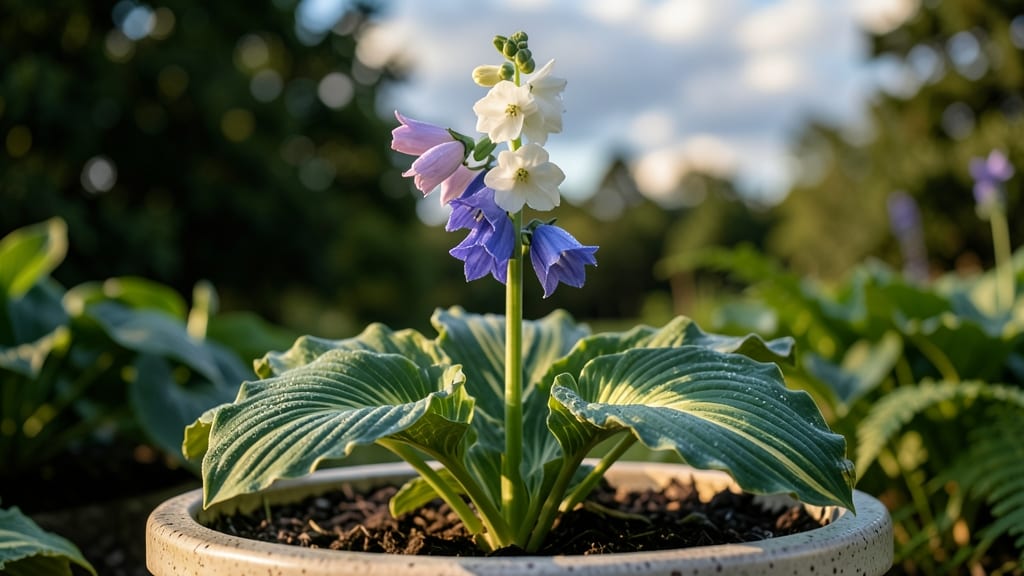
Identifying hosta bloom colors reveals a stunning spectrum—ranging from soft lavender and pure white to rich purple and deep blue—where hues shift dramatically based on plant maturity, sunlight exposure, and specific cultivar traits.
Hosta flowers aren't just pretty—they're nature's mood rings, changing colors as they age or adapt to their environment. 🌸 The lavender blooms of 'June' might deepen to near-violet by mid-summer, while 'Halcyon's' white flowers can develop subtle green tinges in hotter climates.
What's fascinating is how these shifts often mirror the plant's health: stress from drought or shade can mute colors, while optimal conditions bring out their most vibrant shades. For gardeners, this means your hosta's flowers might look different each season, even on the same plant!
To spot these changes, focus on three key details: the flower structure (spikes vs. clusters), petal edges (ruffled vs. smooth), and how the color intensifies as buds open. Pro tip: Take photos in natural light—artificial lighting can distort true hues.
The more you observe, the easier it becomes to predict which cultivars will thrive in your garden's specific conditions.
💡 In This Article
- How Light and Maturity Affect Hosta Flower Colors
- Top Hosta Varieties by Bloom Color and Seasonal Patterns
How light and maturity affect hosta flower colors
The color intensity of hosta blooms is directly tied to photosynthesis efficiency, which sunlight regulates. Hostas produce anthocyanin pigments—responsible for purple and blue hues—in response to UV light.
When exposed to full sun (6+ hours daily), these pigments deepen dramatically, while partial shade (3-4 hours) produces softer, pastel tones. For example, 'Blue Angel' hostas develop a deeper lavender in full sun, while the same cultivar in shade may appear almost white with faint blue undertones.
This happens because UV light triggers higher anthocyanin production, a natural sunscreen mechanism for plant tissues.
Maturity plays an equally critical role. Young hosta plants (1-2 years old) often bloom in pale, almost ghostly shades due to limited energy reserves. Their first flowers may appear as white or very light lavender, gradually darkening as the plant stores more carbohydrates.
Mature plants (5+ years) can produce flowers with 30-50% more pigment intensity because their root systems access deeper soil nutrients.
Temperature also factors in: cooler climates (50-60°F) enhance purple hues by slowing metabolic processes, while warmer conditions (> 75°F) can bleach colors slightly by increasing water stress.
Here's what this means for your garden: If your hostas aren't blooming as vibrantly as catalog images suggest, check their light conditions first.
A simple test is to observe how colors change between morning (cooler, softer hues) and afternoon (warmer, more saturated tones). 🌿 For example, 'Halcyon' hostas might appear snowy white in morning light but develop subtle greenish edges by midday—a natural response to heat.
This phenomenon explains why gardeners in different climates often describe the same cultivar with varying color descriptions.
The science behind these shifts involves chlorophyll and anthocyanin competition. In low light, chlorophyll dominates, producing greener foliage and paler flowers. When UV exposure increases, anthocyanins take over, creating the dramatic color contrasts we admire.
This is why hostas in woodland gardens (dappled light) often have more muted blooms compared to those in sunny borders. The key takeaway: Your hosta's flower colors aren't fixed—they're a living indicator of its growing conditions.
One fascinating exception occurs with bicolored hostas, like 'Francee' with its white-and-purple blooms. These cultivars maintain consistent colors because their genetic makeup produces two distinct pigment pathways that don't compete.
This stability makes them ideal for gardeners who want predictable color displays year after year. For most hostas, however, color variation is normal and actually enhances their charm as seasonal indicators.
To maximize bloom vibrancy, consider these practical adjustments: Move shade-loving varieties to morning sun only to prevent leaf scorch while maintaining moderate UV exposure. For sun-tolerant hostas, provide afternoon shade during peak summer months to prevent color fading. 💫 The result?
Flowers that stay true to their cultivar's intended hues while adapting beautifully to your specific microclimate.