
Blooming
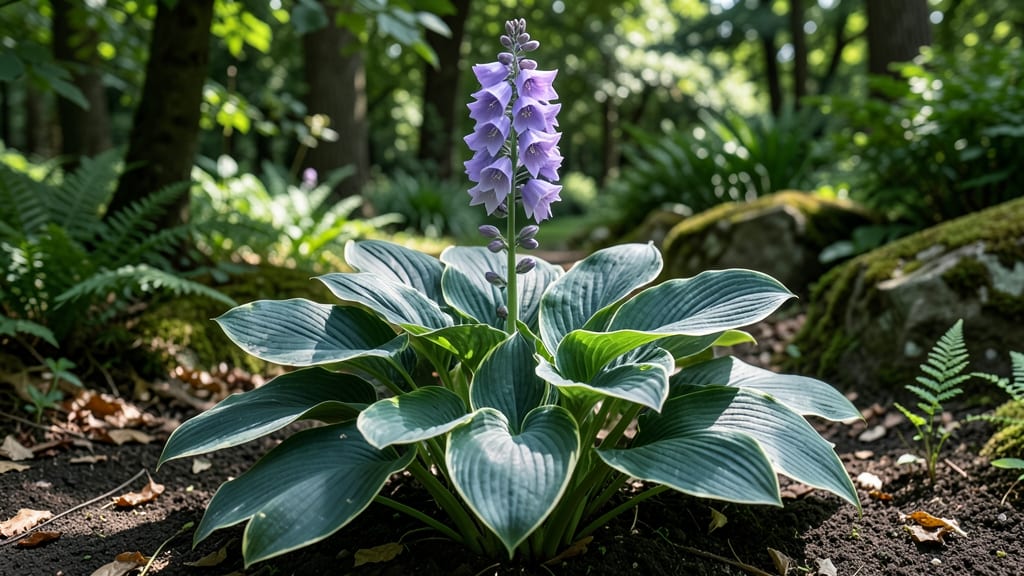
Hostas do bloom flowers, though many gardeners focus on their striking foliage instead. Most varieties produce small, bell-shaped blooms in late summer, but some skip flowers entirely or bloom sparsely due to age, light, or care factors. Proper growing conditions can encourage vibrant blooms while maintaining lush leaves.
Hostas are often prized for their bold, variegated leaves, but their late-summer blooms—typically lavender, purple, or white—add surprising charm. 🌸 The flowers may seem modest, but they serve as a key indicator of plant health: mature hostas (3+ years old) generally bloom more reliably than younger plants.
Some varieties, like 'Blue Angel,' produce abundant flowers, while others, such as 'Halcyon,' focus almost entirely on foliage. The trade-off? Heavy flowering can temporarily reduce leaf vigor, so balancing care is essential for both beauty and longevity.
To coax more blooms without compromising leaves, I recommend partial shade (4-6 hours of morning sun) and well-draining soil rich in organic matter. Overwatering or poor drainage often leads to sparse blooms, so I always check soil moisture before watering.
Dividing clumps every 3-4 years also refreshes growth, often resulting in more robust flowering the following season.
💡 In This Article
- Why Some Hostas Skip Flowering and How Varieties Differ
- Best Practices to Encourage Hosta Flowers Without Sacrificing Foliage
Why some hostas skip flowering and how varieties differ
Hostas are masterful at redirecting energy—when they prioritize leaf production over flowers, it's often a survival strategy. Juvenile plants (under 3 years old) focus entirely on root and foliage growth, storing energy for future blooms.
This is why you might see lush leaves but no flowers in younger hostas. 🌱 The plant's botanical priority shifts only when it reaches maturity and has built a strong enough root system to support both foliage and flowers.
Light deprivation is another major culprit behind skipped blooms. Hostas need at least 4-6 hours of morning sunlight daily to trigger flowering, but too much direct afternoon sun can scorch leaves.
Varieties like 'Blue Angel' thrive in partial shade and produce abundant lavender blooms, while others like 'Halcyon' prioritize foliage and may only sporadically produce tiny white flowers. The trade-off is intentional—some cultivars were bred specifically for their leaf patterns rather than floral displays.
Stress factors like poor soil drainage, nutrient deficiencies, or overcrowding can also suppress blooms. Hostas in compacted or waterlogged soil divert energy to root survival rather than flower production.
The key difference between flowering and non-flowering varieties lies in their genetic programming: some hostas treat flowers as a secondary ornamental feature, while others view them as essential for reproduction and energy expenditure.
Consider this comparison: 'Sum and Substance' produces large, pale lavender blooms that can reach 6 inches tall and appear in late July to August, while 'Guacamole' may only produce 1-2 small white flowers per stem.
The latter prioritizes its striking chartreuse-and-cream foliage, which remains vibrant year-round. This genetic variation explains why some gardeners intentionally choose non-flowering varieties for shade gardens where foliage is the star.
Here's what's actually happening botanically: Hostas produce flowers as part of their reproductive cycle, but the plant's energy budget must balance leaf production (for photosynthesis) and flower development (for seed propagation).
When conditions aren't ideal—whether due to age, light, or stress—the plant defaults to leaf growth to maximize survival. 🌿 This is why mature hostas in optimal conditions often produce dozens of flower spikes while younger plants or those under stress may produce none.
The role of flowers in hostas extends beyond aesthetics—they attract pollinators like bees and butterflies, supporting local ecosystems. However, from a gardener's perspective, the flowers often serve more as a bonus than a necessity.
Some horticulturists even recommend deadheading spent blooms to redirect energy back to leaf production, especially for varieties prized for their foliage.