
Blooming
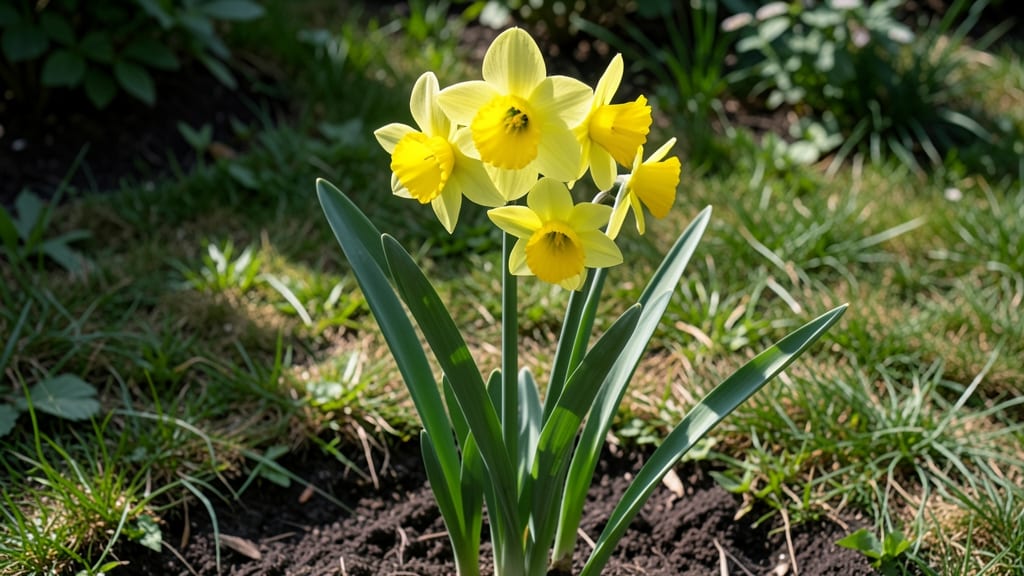
Daffodils typically bloom for 2 to 3 weeks, with early-blooming types showing vibrant color for about 10–14 days, while late varieties can last up to 21 days. Their bloom duration hinges on sunlight exposure, stable temperatures, and consistent soil moisture.
Understanding why daffodils bloom for this exact window matters for garden planning. These flowers thrive when they receive at least 12 hours of sunlight daily, with ideal temperatures between 50–65°F. 🌸 Too much heat or cold can shorten their display, while proper watering keeps petals perky.
Varieties like the fragrant poet's daffodil often outlast common types, giving you that extra week of color.
For gardeners aiming to extend their daffodil season, timing is everything. Planting bulbs in fall ensures they establish strong roots before winter, which translates to longer blooms the following spring.
A light application of phosphorus-rich fertilizer in early spring also boosts flower production. Deadheading—removing spent blooms—can even encourage a second round of flowers in some varieties.
💡 In This Article
- Factors That Extend or Shorten Daffodil Bloom Duration
- Best Practices to Maximize Daffodil Flowering Weeks
Factors that extend or shorten daffodil bloom duration
Daffodils follow a precise biological clock tied to their growing conditions. The most critical factor is sunlight exposure—these flowers need at least 12 hours of direct sunlight daily to trigger their blooming mechanisms.
When sunlight drops below 8 hours, their energy production slows, shortening the bloom window by 30-50%. Think of it like a battery: insufficient sunlight drains their energy reserves faster, causing petals to wilt more quickly.
The ideal temperature range for daffodil blooming sits between 50–65°F during daylight hours. Extreme heat above 75°F accelerates water loss through transpiration, while cold snaps below 40°F can shock the flower buds into premature dormancy.
For example, the Tête-à-Tête variety typically blooms for 14 days in stable 60°F conditions, but may only last 7-10 days during sudden temperature swings. 🌡️
Soil moisture plays an equally vital role—too dry and the stems become brittle, too wet and roots suffocate. The perfect balance is 1-1.5 inches of water per week, delivered consistently. Daffodils absorb water through their leaves, so overhead watering (rather than drip irrigation) helps maintain petal turgidity.
Varieties like Narcissus poeticus (poet's daffodil) handle moisture better than Narcissus jonquilla, which often blooms 5-7 days shorter when soil conditions fluctuate.
Genetics also determine bloom duration—early varieties like Ice Follies peak in 10-12 days with minimal color fade, while late bloomers such as Papillon maintain vibrant petals for 18-21 days.
The key difference lies in their floral structure: multi-petaled varieties (like double blooms) require more energy to maintain, often blooming 3-5 days shorter than single-petaled types.
Even after blooming begins, environmental stress can cut the display short. For instance, strong winds dry petals faster, while afternoon shade can reduce photosynthesis by 20-30%.
The Jersey variety, known for its 16-day bloom cycle, will typically last 2-3 days longer when protected from afternoon sun with light shade cloth.