
How To
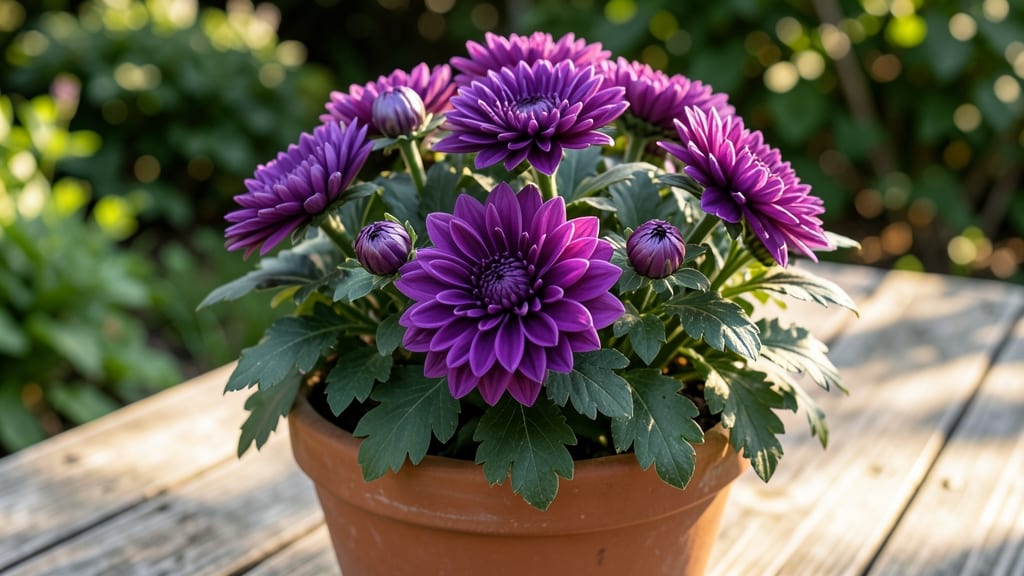
Mums in pots bloom for 4 to 8 weeks, with hardy varieties lasting up to 10 weeks when planted in cooler climates. Garden mums typically peak in 4-6 weeks, while proper care like full sun exposure and consistent moisture can help extend their vibrant display.
Understanding why mums bloom for different lengths comes down to their genetics and growing conditions. Hardy mums, like 'Autumn Joy', are bred to withstand cooler temperatures, which naturally prolongs their flowering cycle. 🌸 Meanwhile, garden mums prioritize shorter but more intense blooms, often used for seasonal color bursts.
The key to maximizing their time in pots is replicating their natural environment—providing at least 6 hours of direct sunlight daily and avoiding soggy soil, which can shorten their lifespan by up to 2 weeks.
Here's a pro tip: Deadheading spent blooms (removing faded flowers) redirects the plant's energy to producing new buds, potentially adding another 1-2 weeks of vibrant color. For those in warmer climates, choosing late-season varieties can also help stretch their bloom time into early winter.
💡 In This Article
- Mums Bloom Duration by Variety: Hardy vs Garden Types
- Maximizing Mum Bloom Time in Pots: Light, Care, and Aftercare Tips
Mums bloom duration by variety: hardy vs garden types
The difference between hardy and garden mum varieties comes down to their genetic adaptations and environmental triggers. Hardy mums, like 'Autumn Joy' or 'Purple Bush', are bred to withstand cooler temperatures and shorter daylight hours, which naturally extends their bloom time.
These varieties often produce flowers that last 8-10 weeks in pots when given 50-60°F nighttime temperatures—a common range in early autumn. Their hardiness allows them to continue flowering well into October or November, even as daylight wanes.
Garden mums, on the other hand, are optimized for shorter but more intense blooms, typically peaking in 4-6 weeks. Varieties like 'Purple Dome' or 'Snowball' prioritize vibrant color and compact growth, making them ideal for seasonal displays.
These mums rely on longer daylight hours (at least 12-14 hours) to trigger blooming, which is why they thrive best when planted in late summer. The trade-off is their shorter lifespan—once the days grow shorter, their energy shifts toward seed production rather than maintaining flowers.
Temperature plays a critical role in bloom longevity. Hardy mums actually benefit from cooler nights (55-60°F) because this slows metabolic processes, preserving energy for longer flowering. In contrast, garden mums may struggle in heat above 85°F, which accelerates wilting and shortens their display by 1-2 weeks.
This is why potted mums in warm climates often need afternoon shade to prevent premature fading.
Light exposure is another key factor. Both varieties require 6+ hours of direct sunlight daily to bloom optimally, but hardy mums are more forgiving in partial shade. Garden mums, however, may produce fewer blooms if light drops below 5 hours.
The difference lies in their native growing conditions—hardy mums evolved in cooler, northern climates where sunlight is less intense, while garden mums adapted to sunnier, southern regions.
Consider this example: 'Autumn Joy' hardy mums in a 12-inch pot with morning sun and afternoon shade can bloom for 9-10 weeks when nighttime temperatures stay below 65°F. The same variety in a hotter climate might only last 6 weeks unless given extra care.
Meanwhile, 'Purple Dome' garden mums in full sun will peak in 5 weeks but produce a denser cluster of blooms compared to hardy types.
What most gardeners don't realize is that the transition from summer to autumn triggers blooming in mums. As daylight hours shorten (a process called photoperiodism), the plant shifts from vegetative growth to flowering.
Hardy mums handle this transition more gracefully, while garden mums often respond more dramatically to sudden changes in light, which can lead to shorter bloom times if conditions aren't ideal.