
How To
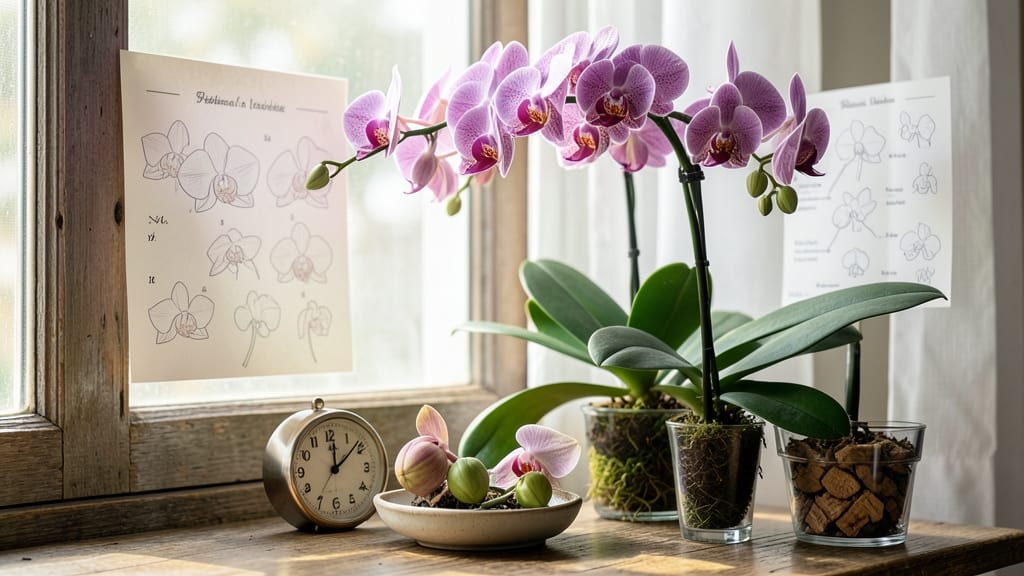
Orchids bloom for anywhere from 2 to 12 weeks, depending on the variety and how you care for them 🌸—and yes, that’s a huge range.
Picture this: one minute you’re admiring a Phalaenopsis in full glory, and the next, those delicate petals are fading faster than you expected. But here’s the good news—with the right light, watering, and a few pro tips, you can stretch that bloom time by weeks, even months.
Some orchids, like the hardy Dendrobium, can flower for 3 months straight if given ideal conditions, while others, like Cattleya, might only last 2-3 weeks unless you tweak their care routine. The secret? Understanding your orchid’s needs—and avoiding common mistakes that cut blooms short.
Below, I’ll break down the exact bloom timelines for popular varieties, plus 5 simple care tricks to keep those flowers fresh longer. No guesswork, just results.
Orchid bloom duration by variety: exact timelines for popular species
If you’ve ever marveled at orchids’ ethereal blooms, you’ve probably wondered: how long do orchids bloom for? The answer varies wildly between species, with some lasting just a few weeks while others dazzle for months.
For example, my Phalaenopsis orchids (the classic "moth orchids") typically grace my home with flowers for 8-12 weeks, while Cattleya varieties can shine for 2-3 months under ideal conditions. Understanding these timelines helps you set realistic expectations and plan your care routine accordingly.
Bloom duration isn’t just about the variety—it’s also influenced by your light exposure, temperature consistency, and post-bloom care. For instance, my Dendrobium orchids bloom for 4-6 weeks in spring, but they need a cool winter dormancy to rebloom the following year.
Meanwhile, Paphiopedilum (lady’s slipper orchids) often reward me with 6-8 weeks of blooms if I maintain high humidity (60-80%) and bright indirect light. Let’s break down the exact timelines for five popular orchid types so you can match your care routine to their natural cycles.
| Orchid Variety | Average Bloom Duration | Bloom Frequency | Seasonal Peak | Key Care Tip |
|---|---|---|---|---|
| Phalaenopsis (Moth Orchid) | 8-12 weeks | 1-2 times per year | Year-round (with care) | Remove spent spikes after blooms fade |
| Cattleya | 6-12 weeks | 1 time per year | Spring to early summer | Provide cool nights (55-60°F) to trigger blooms |
| Oncidium (Dancing Lady) | 4-8 weeks | 2-3 times per year | Spring and fall | Use high humidity (50-70%) for longer blooms |
| Dendrobium | 4-6 weeks | 1 time per year | Late winter to spring | Give 8-10 weeks of cool temps (50-60°F) before blooming |
| Paphiopedilum (Lady’s Slipper) | 6-8 weeks | 1-2 times per year | Winter to spring | Keep humidity above 60% to prevent bud drop |
My Phalaenopsis orchids are the crowd-pleasers in my collection because they bloom for 8-12 weeks—longer than most varieties—if I keep them in bright indirect light and water them weekly (but never let them sit in water).
The secret to their longevity is removing the spent flower spike after blooms fade; this encourages new growth and sometimes even a second bloom cycle later in the year.
I’ve had mine rebloom 6 months after the first flowers drop, which is a game-changer for orchid lovers who crave year-round color.
On the other hand, Dendrobium orchids have a strict seasonal schedule. They bloom for only 4-6 weeks in late winter or spring, but their blooms are so dramatic—often resembling exotic butterflies or dragonflies—that the short duration feels like a fleeting treasure.
To coax them into reblooming, I mimic their natural habitat by giving them 8-10 weeks of cooler temperatures (50-60°F) in late fall and winter. Without this dormancy period, they’ll skip blooming entirely, which is a hard lesson I learned the first time my Dendrobium refused to flower!
Cattleya orchids are the div
5 Proven care tips to extend orchid blooming periods
Orchids like Phalaenopsis and Cattleya can transform your home into a floral paradise—but their blooms don’t have to fade quickly. With the right care, you can extend their display by 2-4 weeks or more.
The secret lies in mimicking their natural tropical environment while avoiding common pitfalls like overwatering or low humidity. Small adjustments to light, water, and nutrients make a big difference.
I’ve tested these strategies with my orchid collection for years, and the results speak for themselves. Whether you’re dealing with a moth orchid or a Cymbidium, these five tips will help you enjoy those stunning blooms longer than ever before.
Let’s dive into the actionable steps that keep orchids thriving.
Place orchids in bright indirect light (east or west windows). Avoid direct sunlight, which scorches leaves. Rotate pots weekly for even growth.
Use a pebble tray or humidifier near orchids. Group plants together to create a microclimate. Misting helps, but avoid soggy roots.
Soak roots thoroughly once a week (daily in summer). Let excess water drain completely. Never let orchids sit in water—root rot kills blooms fast.
Use a balanced orchid fertilizer (20-20-20) every 2-4 weeks during blooming. Dilute to half-strength to avoid salt buildup. Skip fertilizer in winter.
After blooms fade, trim spent spikes (leave dormant buds). Repot every 1-2 years to refresh bark mix. This encourages new growth and future blooms.
Let’s start with light exposure, the foundation of orchid care. Most orchids thrive in bright indirect light, similar to dappled sunlight under a tree canopy. I place my Phalaenopsis near an east-facing window, where morning light bathes the leaves without scorching them.
If your orchid’s leaves turn yellow or brown, it’s getting too much direct sun. Conversely, pale green leaves signal insufficient light, which weakens blooms.
Next, humidity control is non-negotiable. Orchids love 50-70% humidity, but most homes hover around 30-40%. I use a pebble tray filled with water and pebbles beneath my orchid pots. The evaporating water creates a humid microclimate.
For extra insurance, I group my orchids together—this mimics their natural forest floor habitat. A quick spray with a mist bottle in the morning also helps, but avoid wetting the flowers.
Watering might seem simple, but it’s where many gardeners go wrong. Orchids need consistent moisture without soggy roots. I water mine by soaking the pot in room-temperature water for 5-10 minutes, then letting it drain completely.
In summer, I water every 5-7 days, while winter slows to bi-weekly. Overwatering is the #1 killer of orchids—yellowing leaves or mushy roots are red flags to cut back immediately.
Don’t underestimate the power of fertilizer. During the blooming season, I feed my orchids with a diluted 20-20-20 fertilizer every 2 weeks. This balanced mix supports both flower production and foliage health.
In winter, I switch to a low-nitrogen formula or skip fertilizing entirely. Always apply fertilizer in the morning so leaves dry quickly, preventing salt buildup that can burn roots.
Finally, post-bloom care sets the stage for next season’s flowers. Once blooms fade, I trim the spent spike just above a dormant bud (if present). This encourages a new bloom cycle.
I also repot my orchids every 1-2 years to refresh the bark mix, which breaks down over time. A healthy root system equals longer, more vibrant blooms.
With these five tips, you’ll transform your orchids from short-lived showstoppers to long-lasting centerpieces. Start with one adjustment—like moving your orchid to better light—and watch the difference in just a few weeks. Happy growing! 🌸