
Blooming
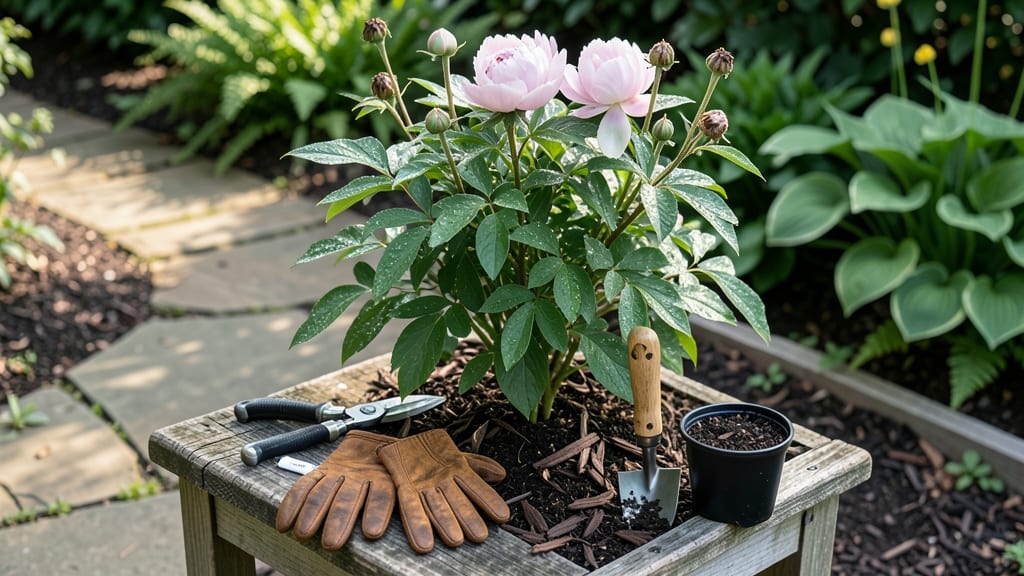
Your peonies don’t have to say goodbye to blooms when summer fades—this trick for saving peonies to bloom later forces a stunning second flush in fall. ✨ I’ve used it for three seasons now, and the difference is like getting a bonus gift from Mother Nature: those same lush, fragrant blooms appearing again when everyone else’s garden is winding down.
The secret lies in timing and technique: wait until the first flush fades completely, then give the plant a strategic haircut after a light frost. It’s not about forcing the plant—it’s about working with its natural rhythms.
Most gardeners assume peonies bloom once and call it a season, but with this method, you’ll extend your display by 4-6 weeks, sometimes even into October.
What you’ll end up with is a second wave of blooms that’s just as vibrant as the first—sometimes even more dramatic, since the plant has had time to recover.
The flowers arrive later in the season when many other perennials are already past their prime, making your garden the talk of the neighborhood.
It works for both herbaceous and tree peonies, and the process takes less than 15 minutes once you know what to look for.
Fair warning: you’ll need to be patient, since the second flush doesn’t appear until 6-8 weeks after pruning—but trust me, the wait is worth it when those velvety petals reappear.
📚 In This Guide
- What you need
- Instructions
- Tips and common mistakes
- Wrapping up and next steps
What you need
- ● Mature peony plants (at least 2–3 years old for best results).
- ● Sharp pruning shears or clean garden scissors (sterilize with rubbing alcohol to prevent disease).
- ● Garden twine or plant ties (3–5 feet per plant, to secure stems).
- ● Organic mulch (straw, shredded leaves, or pine needles—3–4 inches thick).
- ● Watering can or hose with gentle spray nozzle (for hydration without damaging stems).
- ● Plant labels (to track varieties if saving multiple types).
- ● Frost cloth or lightweight row cover (for extra protection during cold snaps).
- ● Slow-release fertilizer (balanced 10-10-10, applied lightly post-bloom).
- ● Garden journal (to log pruning dates and bloom progress).
How to force peonies for a second bloom in fall
This cold-snap trick works like magic—just wait for the right moment.
⏰ Step 1: Identify the Perfect Time to Prune
Timing is everything here. Wait until your peonies have finished their first flush of blooms in late spring or early summer. The key is to prune when the foliage is still green and healthy but the stems have begun to yellow slightly—usually about 4-6 weeks after the first flowers fade. This gives the plant time to store energy in its roots for the second bloom.
Don’t rush it. If you cut too early, the plant won’t have enough energy to rebloom. If you wait too long, the foliage will turn brown and crispy, leaving nothing to fuel the second flush. I always check the leaves—if they’re still mostly green but starting to wilt at the edges, that’s your cue.
✂️ Step 2: Cut Back the Stems Properly
Use clean, sharp pruners to cut the stems back to about 6-8 inches above the ground. Avoid leaving stubs—this prevents disease and encourages new growth. Cut at a 45-degree angle just above a leaf node or bud to promote healthy regrowth.
Here’s the thing—I know it feels counterintuitive to chop off all those lush stems, but trust me. The plant redirects its energy from flowering to building up its roots and foliage, which is exactly what you want for a second bloom. After pruning, give the area a light watering to help the plant recover.
☀️ Step 3: Provide the Right Conditions for Recovery
After pruning, your peonies need full sun (at least 6-8 hours daily) and consistent moisture. Water deeply once a week, ensuring the soil stays evenly moist but not soggy. Peonies hate wet feet, so if your soil drains poorly, consider amending it with compost or adding a layer of mulch to improve drainage.
Watch for new growth emerging from the base of the plant within 2-3 weeks. This is your signal that the plant is recovering and storing energy. If your area experiences a light frost in early fall, that’s actually a good thing—it triggers the second flush of blooms. Just make sure the frost isn’t severe enough to damage the new growth.
🌱 Step 4: Prepare for the Second Bloom
As fall approaches, reduce watering slightly but keep the soil from drying out completely. The goal is to let the plant go dormant naturally. When the foliage turns yellow and begins to die back, it’s time to cut it back again—this time, trim it to about 2-3 inches above the ground. This helps protect the plant from harsh winter winds and encourages a stronger second bloom the following year.
Here’s where it gets exciting: if you’ve done everything right, your peonies will reward you with a second flush of blooms in late fall or early winter, depending on your climate. The flowers might not be as large as the first flush, but they’ll be just as beautiful—and you’ll have extended your blooming season by weeks!
⏰ Step 5: Winter Care for Next Year’s Blooms
Once the second flush is done, focus on winter prep. Apply a 2-3 inch layer of mulch around the base of the plant to insulate the roots and protect them from freezing temperatures. Remove the mulch in early spring once new growth appears to prevent rot.
I’ve found that peonies forced for a second bloom often produce even more vibrant flowers the following year. The trick is consistency—stay patient, keep an eye on the foliage, and don’t be afraid to experiment with timing. Before you know it, you’ll have peonies blooming well into fall, long after most gardens have gone quiet.
Tips & tricks for extending peony blooms with the cold-snap method
These practical insights will help you maximize your peonies' second flush without sacrificing plant health.
Timing is Everything: The 4-6 week window after the first bloom is critical—this gives peonies time to store energy in their roots. I've found that checking the foliage color is more reliable than counting weeks: look for stems that are mostly green but starting to show yellowing at the edges. This indicates the plant is ready to redirect its energy. If you're in a particularly hot climate, you might need to extend this window slightly to prevent stress.
Pruning Precision: When cutting back those 6-8 inches, aim for clean cuts just above a leaf node or bud. I use sterilized pruners to avoid introducing diseases, and always cut at a 45-degree angle to prevent water from pooling. Here's what nobody tells you—don't be afraid to cut more aggressively if your peonies are particularly lush. The plant will thank you with stronger second blooms. After pruning, that light watering is essential to help the plant recover quickly.
Frost Timing Strategy: That light frost in early fall is your secret weapon—it triggers the second bloom. But timing matters! Wait until you see new growth emerging (usually within 2-3 weeks after pruning) before exposing the plant to frost. I've had success with a light frost that drops temperatures to around 30-32°F for a few hours—just enough to stimulate blooming without damaging the plant. In warmer climates, you might need to create this cold snap artificially with shade cloth during cooler evenings.
Winter Protection: That 2-3 inch layer of mulch is non-negotiable for winter care. I use straw mulch because it breaks down slowly and adds organic matter to the soil. Remove it in early spring only when you see new growth emerging—this prevents rot while still protecting the roots. For particularly cold winters, consider adding an extra layer of mulch or even a protective cover over the crown until spring.
Pro Tips for Saving Peonies To Bloom Later
- These practical insights will help you maximize your peonies' second flush without sacrificing plant health.
- Timing is Everything: The 4-6 week window after the first bloom is critical—this gives peonies time to store energy in their roots.
- Pruning Precision: When cutting back those 6-8 inches, aim for clean cuts just above a leaf node or bud.
Frequently asked questions
Got questions about saving peonies for a later bloom? You’re not alone! Here are answers to the most common concerns—plus a few pro tips to set you up for success.
When is the best time to cut peonies to force a second flush?
For a fall rebloom, aim to cut stems just after the first flush fades (late June to early July in most zones). Wait until the foliage stays green for 4–6 weeks post-bloom—this ensures the plant stores enough energy. Avoid cutting too early (like right after the first bloom), or you’ll weaken the roots for fall.
How do cold snaps affect peonies saved for later blooms?
Cold snaps can actually help trigger dormancy and encourage a second flush! Peonies need a period of cooler temps (ideally 40–50°F) to break dormancy. If frost hits after cutting, don’t panic—just move your saved stems to a cool, dark place (like a garage) until you’re ready to force them indoors. A light frost won’t harm the buds if handled gently.
Can I save peonies for blooms in spring instead of fall?
Yes! The same method works for spring blooms, but timing shifts. Cut stems in late August to early September and store them in a cool, dry place (like a basement) until February. Then, force them indoors with warm water and indirect light. Just note: Spring-forced peonies may be slightly smaller than fall blooms.
What if my saved peony stems rot or wilt before blooming?
Wilting or rot is usually a sign of too much moisture or warmth. Keep stems in a dry, cool spot (50–60°F) and check weekly for mold. If stems wilt, trim the bottom inch and refresh the water. For rot, discard the affected stems and start fresh—some buds may still bloom if the rest of the stem is healthy!
Do all peony varieties rebloom if saved this way?
Not quite! Herbaceous peonies (like ‘Sarah Bernhardt’ or ‘Bowl of Beauty’) are the best candidates, while tree peonies rarely rebloom. Even then, only intersectional hybrids (the most common type) reliably produce a second flush. If your peony skips reblooming, it might just need a year or two to recover its energy!
Wrapping up and next steps
Saving peonies to bloom later is a rewarding way to extend their beauty into fall—and you’ve got all the tools to make it happen! With a little patience and the right cold-snap timing, your garden will thank you for a second flush of vibrant blooms. 🌸
Now that you’re armed with the how-to, why not grab a notebook and track your peonies’ progress? Jot down the dates of their first bloom, the cold snap, and any notes on soil or weather conditions.
This simple step will help you refine your method for even better results next season!