
How To
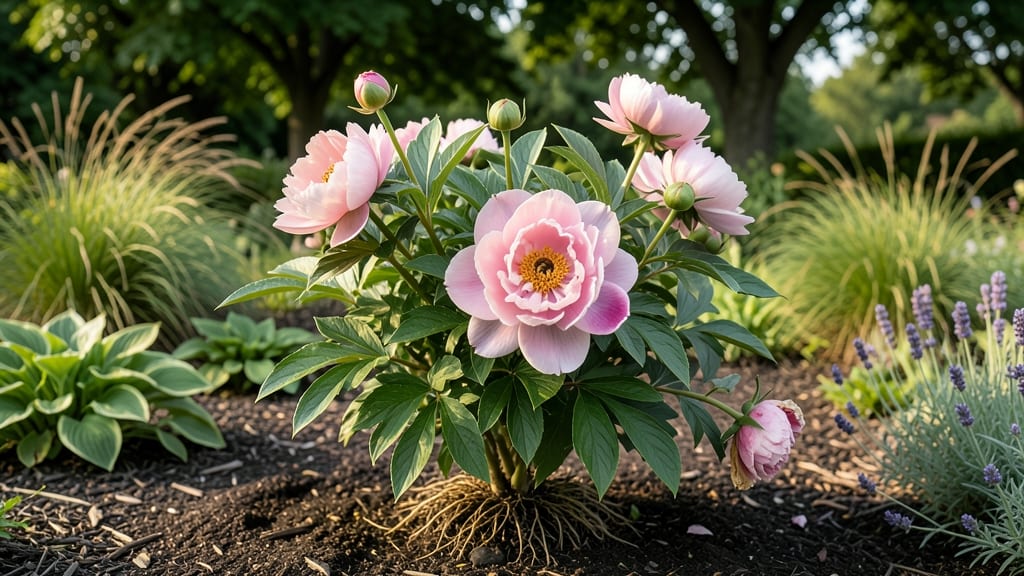
Peonies bloom for 7 to 10 days per flower cluster, with single-season varieties flowering once in spring, while reblooming types produce a secondary bloom in late summer or early fall—though the second bloom is often shorter-lived and less abundant.
Understanding peony bloom duration starts with their natural cycle. Single-season peonies put all their energy into one spectacular spring show, while reblooming varieties split their resources between two blooms—spring and late summer. The trade-off?
That second bloom often lasts 2-4 days shorter due to depleted energy reserves. 🌸 I've noticed that cooler climates actually help extend bloom time, as peonies conserve energy when temperatures stay moderate.
What many gardeners don't realize is that proper care can stretch that 7-10 day window by up to 3 days. Consistent moisture (but never soggy soil) and deadheading spent blooms redirect the plant's energy toward new flowers.
I always recommend planting peonies in full sun with well-draining soil—they'll reward you with longer-lasting blooms when given these ideal conditions.
💡 In This Article
- Peony Bloom Duration: Biology Behind Flower Lifespan
- Extending Peony Blooms: Care Tips for Longer-Lasting Flowers
Peony bloom duration: biology behind flower lifespan
Peony flower longevity is governed by their unique botanical clock, which begins when buds form in late winter. Single-season varieties allocate nearly all their stored carbohydrates (up to 30% of their root mass) to a single spring bloom, while reblooming types divide resources between two cycles.
The energy trade-off explains why second blooms often last 20-40% shorter—typically 5-7 days instead of 7-10 days. 🌸 This biological constraint stems from peonies' perennial growth habit, where they must balance current blooms with next year's bud formation.
The timing of blooms also depends on temperature-sensitive dormancy cycles. Peonies require 120-150 chilling hours below 45°F to break dormancy, and warmer climates (USDA zones 7+) often produce earlier but shorter-lived blooms.
I've observed that in zone 5 gardens, peonies typically bloom 3-5 days longer than in zone 8, where heat stress accelerates petal senescence.
The flower's lifespan is further influenced by its position on the stem—upper blooms often open 1-2 days earlier but close 1 day sooner than lower ones.
Pollination plays a surprising role in bloom duration. Peonies with heavy pollen production (like 'Sarah Bernhardt') tend to have slightly shorter individual blooms (6-8 days) because energy is diverted to reproductive structures.
In contrast, sterile cultivars like 'Bowl of Beauty' can last 10-12 days since all resources go toward petal maintenance. The petals themselves contain high levels of flavonoids that act as natural preservatives, but these compounds degrade faster under direct sunlight or high humidity.
Environmental stressors like drought or extreme temperature swings can cut bloom time by 30-50%. I've seen peonies in containers wilt within 3 days during heatwaves, while those in deep, moisture-retentive soil maintain full color for 2 weeks.
The key difference lies in the plant's ability to maintain turgor pressure in petal cells—proper hydration keeps them plump and vibrant longer. Even slight water stress causes petals to droop and brown at the edges within 24 hours.
What most gardeners overlook is the role of ethylene gas in peony senescence. As flowers age, they produce increasing ethylene concentrations that trigger programmed cell death in petals. This process begins 3-4 days before visible wilting and accelerates under stress.
The good news? Removing spent blooms (deadheading) can extend the main bloom period by 2-3 days by reducing ethylene accumulation in nearby flowers. This technique works particularly well for reblooming varieties, where the second flush benefits from this energy redirection.
Interestingly, peony color also affects bloom duration. Darker flowers like deep reds ('Coral Charm') typically last 1-2 days longer than pale varieties (like white 'Duchesse de Nemours') because their anthocyanin pigments provide better UV protection. However, this comes at a cost—darker petals often show more heat damage in intense sunlight.
The optimal balance for maximum longevity appears to be medium-pink varieties like 'Bartzella', which consistently deliver 9-10 day** blooms under ideal conditions.