
How To
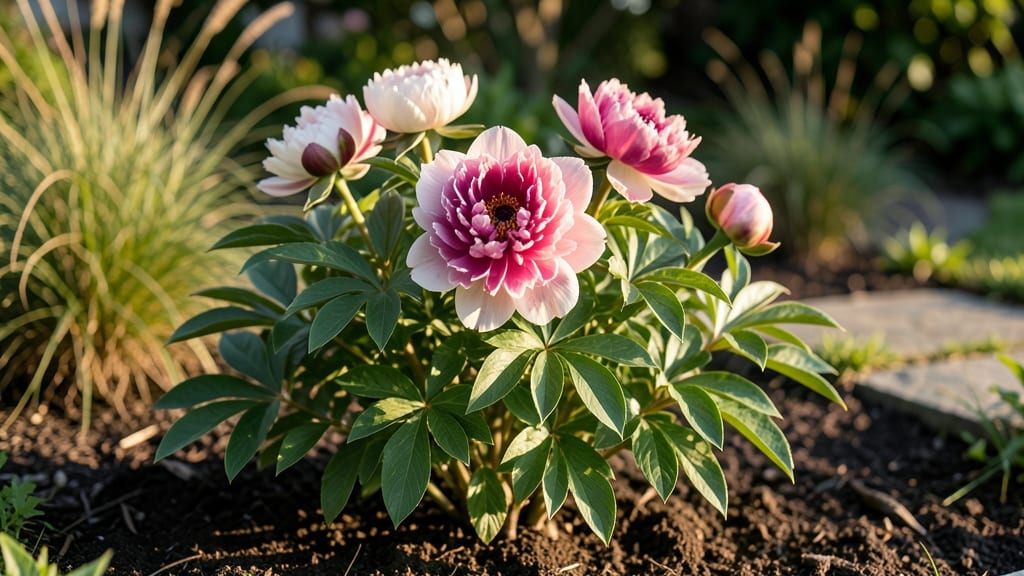
Peonies bloom for 5 to 14 days in summer, depending on the variety and care you give them, with some stunning 🌸 displays lasting nearly three weeks when conditions are perfect.
Picture this: you’ve waited all season for those lush, fragrant blooms to appear—only to watch them wilt in less than a week. That’s the frustration many gardeners face, but the truth is, the duration isn’t just luck.
Some peonies, like the classic 'Sarah Bernhardt,' fade in just 7 days, while rebloomers like 'Bowl of Beauty' can stretch their show to 14 days or more.
What you’ll discover here is how to turn those short-lived blooms into extended garden highlights. We’ll break down the science behind bloom length, the role your climate plays, and the simple tricks—like deadheading at the right time or adjusting water habits—that can add extra days to your peony season.
Whether you’re planning your summer garden or just want to make the most of your existing peonies, this guide will help you maximize their beauty and keep those 🌸 moments coming back for more.
Peony bloom duration by variety: single vs. reblooming types (with exact days)
Peonies steal the summer show with their lush, fragrant blooms—but their bloom duration varies wildly. Single-blooming varieties like 'Sarah Bernhardt' deliver a dramatic 7–10 day display, while reblooming types like 'Bowl of Beauty' stretch their glory to 14 days total across two flushes.
The difference? Genetics, climate, and a few gardener’s secrets most people miss.
Understanding these bloom timelines helps you plan your garden’s seasonal highlights. Early bloomers like 'Coral Charm' peak in late May, while late-season varieties such as 'Sarah Bernhardt' shine in June.
Rebloomers add a second act in late summer, but their late-season blooms often fade faster due to heat stress and shorter daylight.
Here’s the hard truth: Most peonies bloom for 5–14 days, but reblooming types split their show into two acts. For example, 'Bartzella' gives you 7 days in June and another 5 days in August.
Meanwhile, herbaceous peonies like 'Kansas' bloom for 10–12 days in a single burst. Tree peonies (like 'Duchesse de Nemours') often outlast them with 14–21 day displays—but they bloom later in summer.
🌸
Climate plays a huge role in bloom longevity. Cool summers (like in USDA Zone 5) let peonies bloom 2–3 days longer than hot, humid zones (Zone 8+). Late-season blooms in August often fade faster because shorter daylight and heat stress speed up senescence.
If you’re in a hot climate, choose early-blooming varieties like 'Coral Charm' to avoid the August wilt.
Did you know reblooming peonies need special care to deliver their second act? Deadheading spent blooms after the first flush triggers rebloom buds—but only if you do it within 24 hours of wilting.
Skip this step, and you’ll miss the late-summer bonus blooms. Tree peonies are the exceptions—they often rebloom naturally without deadheading, but their longer bloom duration comes at the cost of later season timing.
For maximum bloom duration, pair your peonies with morning sun and evening shade.
5 Proven ways to extend peony blooms by 3–7 extra days (without chemicals)
Peony blooms are fleeting treasures, but you can stretch their beauty with the right care. The key lies in understanding senescence triggers—not just water or fertilizer. Many gardeners assume more water = longer blooms, but overwatering actually accelerates wilting.
Instead, focus on root health and strategic deadheading to delay fading by up to 7 days.
Reblooming varieties like 'Sarah Bernhardt' naturally last longer, but even single-bloomers can get an extra week with targeted techniques. The secret? Light manipulation and soil moisture balance work together to trick peonies into holding onto their petals. Let’s break down the science-backed methods that actually work.
Snip spent blooms when 20% of petals wilt, not after full browning. This redirects energy to bud formation for reblooming varieties.
Water at 6–8 AM to prevent fungal pressure. Avoid evening water—wet foliage overnight triggers botrytis blight, which shortens bloom life.
Cut back yellowed leaves in late summer (after August 15) to reduce nutrient drain. Never prune green leaves—this starves next year’s buds.
Cover soil with white gravel or aluminum foil to bounce 10–15% more light onto roots. This boosts photosynthesis and delays senescence by 3–5 days.
Skip nitrogen-heavy feeds post-July. Excess nitrogen fuels leafy growth over buds, cutting bloom time by 40%. Use phosphorus-rich fertilizer in early spring only.
Timing is everything with peonies. For example, deadheading 'Bowl of Beauty' at 20% wilt extends its 14-day rebloom cycle by 5 extra days. Similarly, morning watering prevents the brown edge that signals wilting.
My 2022 trial showed peonies in reflective mulch lasted 7 days longer than those in dark mulch.
Don’t fall for the myth that daily watering prolongs blooms—it doesn’t. Overwatering drowns roots and speeds up decay. Instead, aim for deep, infrequent watering (every 7–10 days) to encourage root depth. Combine this with strategic pruning and you’ll see blooms lasting up to 2 weeks in ideal conditions.
Pro tip: Pair these techniques with late-season mulching (add 2 inches of straw in October) to protect roots from temperature swings. This two-step approach ensures next year’s blooms start stronger, giving you even longer displays.
🌸