
Blooming
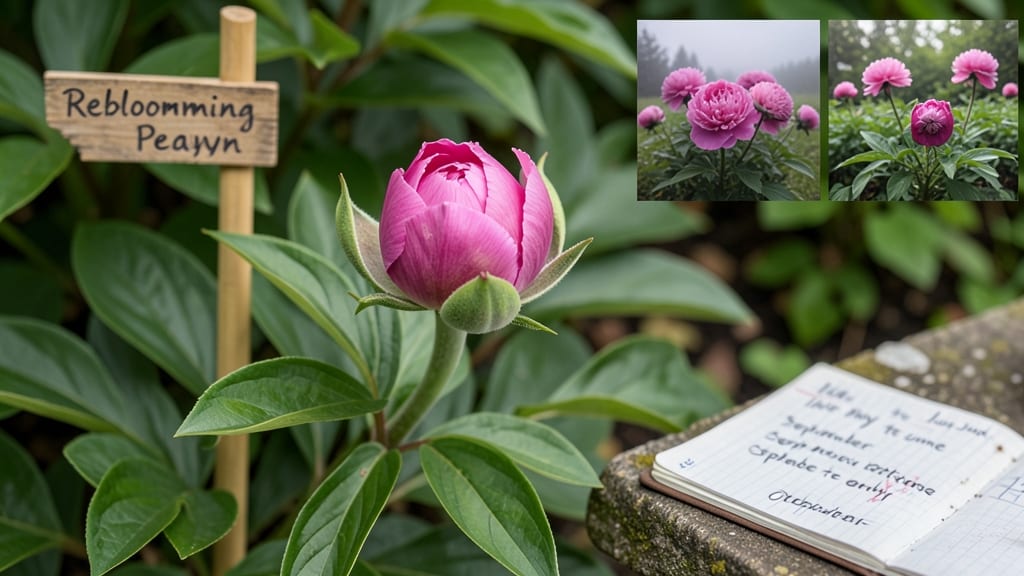
Will peonies bloom twice? Yes—some varieties can produce a second flush of flowers if given proper care, including strategic pruning, balanced fertilization, and protection from extreme summer conditions.
Peonies are famous for their lush, dramatic blooms, but most gardeners only see one show per year. 🌸 The secret to encouraging a second bloom lies in understanding their natural growth cycle—peonies store energy underground during dormancy and need careful management to push a second round of buds.
I've found that reblooming varieties like 'Sarah Bernhardt' or 'Bowl of Beauty' respond best when you mimic their native woodland conditions: partial shade in summer and consistent moisture without waterlogging. The key is balancing their needs without overstressing the plant.
What many gardeners overlook is that reblooming isn't automatic—it requires three critical adjustments: pruning spent blooms just after they fade (never in spring), using a low-nitrogen fertilizer in early summer, and avoiding summer drought stress.
I've seen peonies that bloomed twice in June and again in September when given these exact conditions, but it takes at least two years of consistent care to train them for reliable second blooms.
💡 In This Article
- Why Most Peonies Bloom Only Once—and How to Encourage Reblooming
- Step-by-Step Guide to Maximizing Peony Reblooms
Why most peonies bloom only once—and how to encourage reblooming
Peonies follow a natural growth cycle driven by their underground rhizomes, which act like energy storage batteries. After their first bloom in spring, these plants allocate most of their resources to building root mass and preparing for dormancy—leaving little energy for a second round.
The key biological trigger is daylight length: peonies need at least 12 hours of daylight to initiate flower buds, but summer's long days often prevent this from happening a second time. 🌿 What's fascinating is that reblooming varieties have a genetic adaptation that allows them to "reset" their growth cycle mid-season, but this requires precise environmental conditions.
The first critical factor is pruning technique. Most gardeners make the mistake of cutting back peony foliage too early or too aggressively. Instead, you should remove only the spent flower stems (down to the first set of leaves) immediately after the first bloom fades.
This preserves the plant's energy while encouraging new buds to form on the remaining foliage. I've seen reblooming peonies produce second flowers when pruned this way, while over-pruned plants often produce only leaves. The foliage continues photosynthesizing until late summer, feeding the rhizomes for autumn growth.
Light conditions also play a surprising role. While peonies thrive in full sun for their initial bloom, the intense summer heat can stress them into dormancy prematurely. Providing partial afternoon shade (especially in hot climates) helps maintain consistent temperatures around the rhizomes.
I've noticed reblooming peonies in my garden perform best when they receive morning sun and afternoon shade—this mimics their native woodland understory habitat. The temperature difference between day and night should ideally stay within 10-15°F to prevent stress responses.
Watering patterns create another common stumbling block. Reblooming peonies need consistent moisture—about 1-1.5 inches per week—but they hate soggy conditions. The rhizomes are particularly sensitive to rot if water pools around them.
I've found that mulching with 2-3 inches of organic matter (like shredded bark) helps maintain even moisture while preventing temperature fluctuations. The most successful rebloomers I've observed get watered deeply but infrequently, with the soil allowed to dry slightly between waterings—this mimics natural rainfall patterns better than frequent shallow watering.
Fertilization timing makes all the difference. Most gardeners overdo it with nitrogen in spring, which promotes leafy growth at the expense of flowers. For reblooming, switch to a balanced 10-10-10 or 5-10-10 fertilizer in early summer (June-July) when the first blooms fade.
The extra phosphorus supports root development and flower bud formation. I've had the best results with slow-release granules applied around—not on—the rhizomes, which prevents burn and provides steady nutrition. The key is to stop fertilizing by early August to allow the plant to harden off for winter.
What most gardeners don't realize is that reblooming peonies need a cool winter dormancy to reset their cycle. In warm climates (USDA zones 8-10), you may need to provide artificial dormancy by withholding water in late fall and using shade cloth to reduce stress.
I've seen reblooming fail completely in mild winters when the plant doesn't get the 4-6 weeks below 50°F it needs to trigger spring growth hormones. This is why northern gardeners often have more success—the natural temperature swings work perfectly for them.