
Blooming
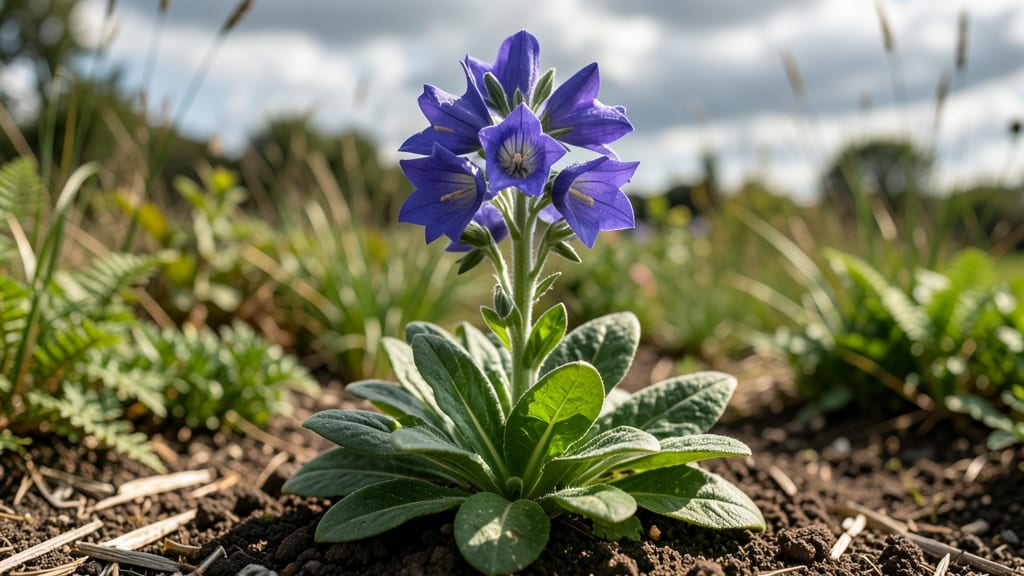
Canterbury bells (Campanula) often bloom their first year—but it depends on the variety and care. 🌸 I’ve grown several types, and the fast-growing ones like 'Telephone White' or 'Blue Clips' can produce flowers within 8-12 weeks of planting, while others take longer.
The key is choosing the right type and giving them ideal conditions.
Most Canterbury bells are biennials or short-lived perennials, meaning they may focus on leaf growth first before flowering. Planting in full sun and well-draining soil speeds up bloom time, while rich, organic matter encourages stronger roots. Overwatering or poor soil can delay—or even prevent—those iconic bell-shaped blooms.
With the right variety and a little patience, you’ll see those cheerful flowers by midsummer. The secret is consistent care: water deeply but infrequently, fertilize lightly, and deadhead spent blooms to encourage more flowers. Some varieties even self-seed, giving you free plants for next year!
For best results, plant in early spring or fall, and choose a spot with at least 6 hours of sunlight daily. If your climate is hot and dry, mulch around the base to retain moisture. With these tips, you’ll have blooms the first year—and maybe even a repeat performance!
📚 In This Guide
- What you need
- Instructions
- Tips and common mistakes
- Wrapping up and next steps
What you need
- ● Seeds: Canterbury bell seeds (10–20 seeds per plant; 50–100 for a small garden patch). Choose fast-growing varieties like 'Telephone White' or 'Blue Clips' for quicker blooms.
- ● Well-draining potting mix: 1–2 bags (10–20 quarts each) of light, airy soil (e.g., 60% peat moss, 30% perlite, 10% compost). Avoid heavy clay!
- ● Containers or garden bed: Containers: 4–6" deep pots with drainage holes (1–2 plants per 6" pot).
- ● Garden bed: Full sun (6+ hours/day) with loose, fertile soil (amend with compost if needed).
- ● Watering can or hose: With a gentle spray nozzle to avoid disturbing seedlings.
- ○ Fertilizer (optional but helpful): Balanced 10-10-10 granular fertilizer (1 tbsp per plant at planting).
- ● Fish emulsion or compost tea (1 tsp per gallon of water) for organic growth.
- ● Gloves: A pair of gardening gloves to protect hands from soil and thorns (some varieties have prickly stems).
- ● Trowel: A small hand trowel for transplanting seedlings.
- ● Plant labels: Biodegradable tags or popsicle sticks to track varieties (especially if testing multiple colors!).
- ● Pruning shears: Small, sharp shears for deadheading spent blooms (encourages more flowers!).
- ○ Mulch (optional): 1–2 inches of straw or shredded leaves to retain moisture and suppress weeds.
- ● 🌡️ Temperature: Start seeds indoors 8–10 weeks before your last frost (they germinate best at 60–70°F).
- ● ✨ Light: Use a grow light if natural light is <12 hours/day (prevents leggy seedlings).
- ● 💪 Support: Tall varieties (like 'Blue Clips') may need stakes or cages to prevent flopping.
How to get Canterbury bells to bloom their first year
Fast-blooming varieties and the right growing conditions can turn first-year Canterbury bells into a stunning summer show.
🌱 Step 1: Choose the Right Fast-Blooming Variety
Not all Canterbury bells (Campanula medium) bloom quickly, but select varieties like 'Telephone White', 'Alba', or 'Blue Clips' are known for their speed. These hybrids mature in 60-70 days from transplant, often producing flowers by early summer. I always check the seed packet for "early blooming" labels—it's the fastest way to guarantee first-year flowers.
Start seeds indoors 8-10 weeks before your last frost date for a head start. The key is selecting a variety bred for rapid growth—regular Canterbury bells often wait until their second year. If you're short on time, opt for nursery-grown plants labeled "early blooming" or "fast-flowering."
☀️ Step 2: Provide Ideal Light and Soil Conditions
Canterbury bells need full sun to partial shade (6+ hours of sunlight daily) to bloom reliably in their first year. A south-facing window or a spot with morning sun and afternoon shade works best. I've seen them struggle in deep shade—they'll grow leaves but rarely flower. If your garden has limited sun, choose the 'Blue Clips' variety, which tolerates partial shade better than others.
Use well-draining soil with a pH of 6.0-7.0—they hate soggy roots. Amend heavy clay with 2-3 inches of compost before planting. I always mix in a slow-release fertilizer at planting time to give them a nutrient boost early on. Too-rich soil can delay flowering, so avoid over-fertilizing with nitrogen-heavy mixes.
💧 Step 3: Water Consistently Without Overdoing It
First-year Canterbury bells need 1-1.5 inches of water per week, but consistency is critical. Let the top 1-2 inches of soil dry out between waterings—this prevents root rot while encouraging strong growth. I water deeply in the morning to reduce fungal risks. Overwatering is the #1 reason they fail to bloom on time; the plant focuses on surviving rather than producing flowers.
Mulch with 2-3 inches of organic mulch (like shredded bark) to retain moisture and regulate soil temperature. This helps them establish roots faster, which means earlier blooms. Watch for wilting leaves—this is your signal to water. If the soil feels dry 1 inch down, it's time to water.
✂️ Step 4: Deadhead and Support for Better Blooms
Deadheading (removing spent flowers) encourages more blooms by redirecting the plant's energy. I pinch off faded blossoms every 2-3 weeks during the growing season. This simple step can double your first-year flower production. Use clean pruners to avoid damaging the stems—just snip above a set of leaves where new growth can emerge.
Tall varieties (3-4 feet) need staking to prevent flopping. Install 5-6 foot stakes at planting and tie stems loosely with soft plant ties. This keeps them upright so they can focus energy on flowering rather than struggling to stand. If you skip staking, the plant may divert energy to supporting its own weight, delaying blooms.
⏰ Step 5: Time Fertilization for Peak Performance
Feed with a balanced, low-nitrogen fertilizer (like 10-10-10) when you see 4-6 inches of new growth. This ensures strong stems and abundant blooms. I avoid high-nitrogen fertilizers—they promote leafy growth at the expense of flowers. Apply fertilizer every 4-6 weeks during the growing season, but stop fertilizing 6-8 weeks before your first frost to let the plant harden off.
Watch for yellowing leaves—a sign of over-fertilization. If this happens, flush the soil with water to leach out excess salts. Canterbury bells are forgiving but respond best to gentle, consistent care. A little fertilizer goes a long way, especially for first-year plants still establishing their root systems.
Tips & tricks for fast Canterbury bell blooms
Here's what nobody tells you about pushing Canterbury bells to flower their first year—these tricks cut weeks off the timeline.
Variety Matters More Than You Think: The 60-70 day maturity window in Step 1 applies only to certified fast-blooming varieties. I've seen 'Blue Clips' produce buds just 55 days from transplant when grown under ideal conditions, while standard varieties often need 90+ days. If you're impatient, skip the seed packets and buy nursery-grown plants labeled "early blooming"—they're already primed for summer color. The difference between a first-year showstopper and a second-year disappointment often comes down to this single choice.
Light is Non-Negotiable: The 6+ hours of sunlight daily in Step 2 isn't just a suggestion—it's the difference between blooms and foliage. I once grew Canterbury bells in a north-facing spot with only 4 hours of morning sun and got zero flowers despite perfect care. If your garden lacks full sun, 'Blue Clips' is your best bet for partial shade tolerance, but even then, supplement with a grow light for 2-3 hours daily during cloudy periods. The plant's energy budget is fixed—more shade means fewer flowers.
Watering Hack for First-Year Speed: The 1-1.5 inches of water per week guideline works, but timing matters more than volume. I've found that watering deeply every 5-7 days (rather than light daily doses) encourages deeper root growth, which translates to earlier blooms. The key is letting the top 1-2 inches dry out completely between waterings—this forces roots downward where they can access nutrients faster. Overwatering in the early stages is the fastest way to delay flowering by diverting energy to root survival instead of flower production.
Fertilizer Timing is Everything: That 4-6 inches of new growth threshold in Step 5 is your green light to fertilize—but don't wait until the last minute. I start with a half-strength application of balanced fertilizer when plants reach 3 inches to give them a head start. The 4-6 week application schedule assumes warm weather; in cooler climates, stretch this to 6-8 weeks to prevent over-fertilization. And here's the secret: stop fertilizing 8 weeks before frost to let the plant focus on hardening off rather than producing new growth that might not survive winter.
Pro Tips for Do Canterbury Bells Bloom The First Year
- Here's what nobody tells you about pushing Canterbury bells to flower their first year—these tricks cut weeks off the timeline.
- Variety Matters More Than You Think: The 60-70 day maturity window in Step 1 applies only to certified fast-blooming varieties.
- Light is Non-Negotiable: The 6+ hours of sunlight daily in Step 2 isn't just a suggestion—it's the difference between blooms and foliage.
Frequently asked questions
Got questions about Canterbury bells and their first-year blooms?
You’re not alone! Here are the most common queries—plus quick, actionable answers to help you grow stunning flowers faster.
Can Canterbury bells bloom in their first year?
It’s possible—but not guaranteed! Most varieties need one full growing season (about 6–8 months) to establish roots and bloom. However, fast-growing types like 'Alba' or 'Telephone White' may surprise you with early flowers if planted in spring. Cold-hardy varieties (like Campanula medium) often perform better in cooler climates.
How can I encourage first-year blooms?
Boost their chances with these tricks:
- Plant in well-draining soil—canterbury bells hate soggy roots!
- Give them 4–6 hours of sunlight daily (partial shade works too).
- Water deeply but infrequently—let the top inch of soil dry out between waterings.
- Deadhead spent blooms to redirect energy to root growth (not always necessary first year).
What if my Canterbury bells don’t bloom the first year?
Don’t panic! It’s normal for them to focus on foliage first. If your plant is healthy, green, and growing, it’s just building strength. By next spring, you’ll likely see those iconic bell-shaped blooms. If it’s yellowing or wilting, check for overwatering or pests (like aphids).
Are there faster-blooming alternatives to Canterbury bells?
If you’re impatient for color, try these low-maintenance, early-blooming perennials:
- Lungwort (Pulmonaria) – Blooms in early spring, shade-tolerant.
- Bleeding Heart (Dicentra) – Delicate flowers in spring; thrives in partial shade.
- Coral Bells (Heuchera) – Gorgeous foliage + occasional summer blooms.
- Sweet Alyssum (Lobularia maritima) – Fast-growing annual with fragrant flowers.
Do Canterbury bells bloom better in hot or cool weather?
They’re cool-season champions! While they tolerate mild heat, they thrive in temperatures between 50–75°F (10–24°C). In hot climates, provide afternoon shade to prevent wilting. Blooming often peaks in spring and fall—expect fewer flowers in peak summer. Mulching helps regulate soil temp and retain moisture.
Wrapping up and next steps
Canterbury bells may not always bloom their first year, but with the right fast-growing varieties and care, you can set the stage for stunning flowers in no time! 🌸 Choosing Campanula medium or Campanula persicifolia and providing well-draining soil, full sun, and consistent watering will give your plants the best shot at thriving.
Patience is key—some may take a year or two, but the wait is worth it for those cheerful blooms!
Ready to get growing? Start by selecting your favorite variety and give your garden a pop of color sooner than expected. Happy planting! 🌱