
Blooming
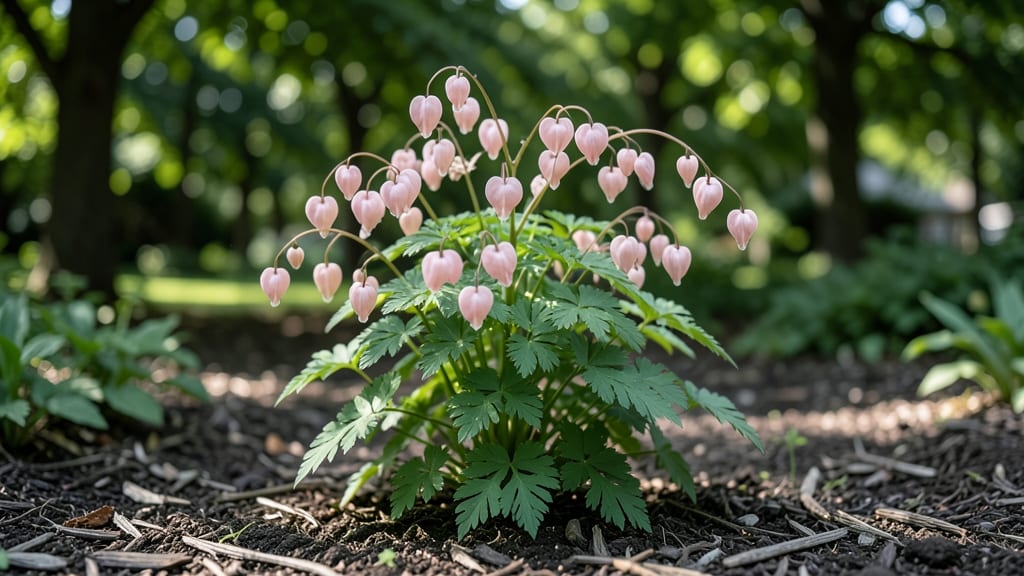
The bleeding heart flower bloom time hinges on two things: chill hours and frost-free timing — get those right, and you’ll see those iconic 💖 blooms in early spring.
If you’ve ever planted bleeding heart flowers (Dicentra spectabilis) only to be disappointed by sparse blooms, you’re not alone—timing is everything. These delicate, heart-shaped flowers thrive when given the right chill hours and frost-free conditions, but getting it wrong means waiting years for that dreamy spring display.
Most varieties need 400–600 chill hours below 45°F to trigger blooms, which explains why they often struggle in warmer climates. Planting too early or too late can also delay—or even prevent—their springtime show.
In this guide, I’ll break down the exact chill-hour needs by variety, the best frost-free planting windows for your zone, and pro tips to coax vibrant blooms—plus companion plants that make the most of their seasonal performance.
How many chill hours do bleeding heart flowers need to bloom?
Bleeding heart flowers (Dicentra spectabilis) are famous for their heart-shaped blooms, but they won’t thrive without the right chill hours.
These plants require a period of cold dormancy to trigger spring blooming, and getting this wrong can mean waiting years for those dreamy pink or white flowers. Understanding your local chill-hour needs is the first step to ensuring your bleeding hearts bloom reliably every year.
Not all bleeding heart varieties have the same requirements. Dicentra spectabilis, the classic type, needs 300–600 chill hours below 45°F (7°C) to bloom well, while Dicentra eximia (also called fringed bleeding heart) typically requires 400–700 chill hours.
If your region falls short, you may need to extend dormancy or choose a different variety. Let’s break down what this means for your garden.
| Variety | Chill Hours Needed | Bloom Time | Notes |
|---|---|---|---|
| Dicentra spectabilis | 300–600 hours | Early to mid-spring | Classic type; needs partial shade |
| Dicentra eximia | 400–700 hours | Late spring | Fringed blooms; more cold-tolerant |
| Dicentra cucullaria | 200–400 hours | Early spring | Dwarf variety; blooms earlier |
| Hybrid varieties | 350–650 hours | Mid-spring | Crossbreeds with varied needs |
To calculate your local chill hours, check your USDA Hardiness Zone and use a chill-hour calculator (like those from your local agricultural extension office). For example, Zone 5 typically gets 500–700 chill hours, while Zone 8 may only reach 200–400 hours.
If you’re in a warmer zone, consider planting bleeding hearts in containers and moving them to a cooler spot in winter.
Signs your bleeding heart isn’t getting enough chill hours include no blooms despite healthy foliage, or delayed blooming that happens later in the season. If this happens, try extending dormancy by keeping plants in a cool, dark garage during winter or using artificial chilling methods like a refrigerator (without freezing).
Another key factor is frost-free timing. Bleeding hearts need 6–8 weeks of chill hours followed by consistent temperatures above 40°F (4°C) to break dormancy. If your area has late frosts, plant in a sheltered spot or use row covers to protect emerging shoots.
Mulching with 3–4 inches of organic matter (like shredded leaves or straw) also helps regulate soil temperatures.
If you’re in a mild-winter zone (like Zone 9 or 10), opt for low-chill varieties like Dicentra cucullaria or grow bleeding hearts in containers** that you can move indoors during winter. Even a cool basement or unheated garage can work if you keep them just above freezing (32–40°F or 0–4°C).
Once your bleeding hearts have met their chill-hour requirements, they’ll reward you with weeks of vibrant blooms. Pair them with early spring bulbs like daffodils or hyacinths to extend your garden’s color palette.
Just remember: patience is key—it can take 2–3 years for established plants to reach full bloom potential after planting.
For best results, plant bleeding hearts in well-draining, humus-rich soil with partial shade (4–6 hours of morning sun). Avoid full sun, which can scorch their delicate leaves, and keep the soil consistently moist but not soggy.
With the right chill hours and care, your bleeding hearts will become a showstopper in your spring garden.
🌱
Best frost-free planting timelines for bleeding heart flowers by USDA Zone
Timing your bleeding heart (Dicentra spectabilis) planting is the secret to those showstopping spring blooms you’ve been dreaming of. These shade-loving perennials need chill hours AND frost-free conditions to perform their best.
Plant too early, and frost will damage tender roots; too late, and you’ll miss the optimal bloom window of early to mid-spring. Let’s break down the perfect frost-free planting times by USDA zone to ensure your bleeding hearts thrive.
Most gardeners opt for fall planting in Zones 3–9, but spring planting works too—if you follow the last frost date rules. The key is giving your plants enough time to establish roots before summer heat arrives.
In cooler zones (3–5), you can plant as early as late August, while warmer zones (6–9) should wait until September or October for ideal results. Let’s dive into the zone-specific timelines that’ll have your bleeding hearts blooming like clockwork.
- Zones 3–5: Plant late August–September (6–8 weeks before first frost) for spring blooms next year. Roots establish before winter chill sets in.
- Zones 6–7: Aim for September–early October planting. Soil temps should be below 60°F to prevent root shock.
- Zones 8–9: Wait until October–November to plant. These zones have warmer winters, so delay planting until cooler temps arrive.
- Spring Planting: Plant 4–6 weeks before last frost (typically March–April in most zones). Water deeply to prevent transplant shock.
- Bloom Timing: Expect flowers 12–18 months after planting. First-year plants focus on root growth; second-year blooms are the showstoppers.
For spring planting, the rule of thumb is to plant 4–6 weeks before your last frost date. This gives roots time to establish before summer heat stress kicks in.
In Zone 6a (like my garden!), that means planting in early March—just as the soil warms to 50°F. If you’re in Zone 9, hold off until late February to avoid the hotter spring soil that can stress young plants.
Pro tip: Mulch heavily after planting (3–4 inches of organic mulch) to protect roots from temperature swings and retain moisture. I’ve found that shredded hardwood mulch works best—it breaks down slowly and keeps the soil consistently moist without suffocating the roots.
Pair this with dappled shade, and your bleeding hearts will reward you with months-long blooms from late spring to early summer.
If you’re in a warmer zone (8–9), consider fall planting as your best bet. The cooler winter temps mimic their native conditions, and they’ll bloom earlier the following spring.
Just be sure to water deeply every 7–10 days until the first frost—this helps roots penetrate the soil before dormancy sets in.
In my Zone 8b garden, I’ve seen bleeding hearts planted in October bloom as early as February, beating the heat and giving me a longer display season.
Remember, patience is key—bleeding hearts are perennials, so they’ll reward your timing with years of stunning blooms. First-year plants may only produce a few flowers, but by year two, they’ll burst into color if you’ve given them the right chill hours and frost-free growing window.
With the right timing, your garden will be the envy of the neighborhood—filled with heart-shaped blooms that seem to dance in the breeze. 💖