
How To
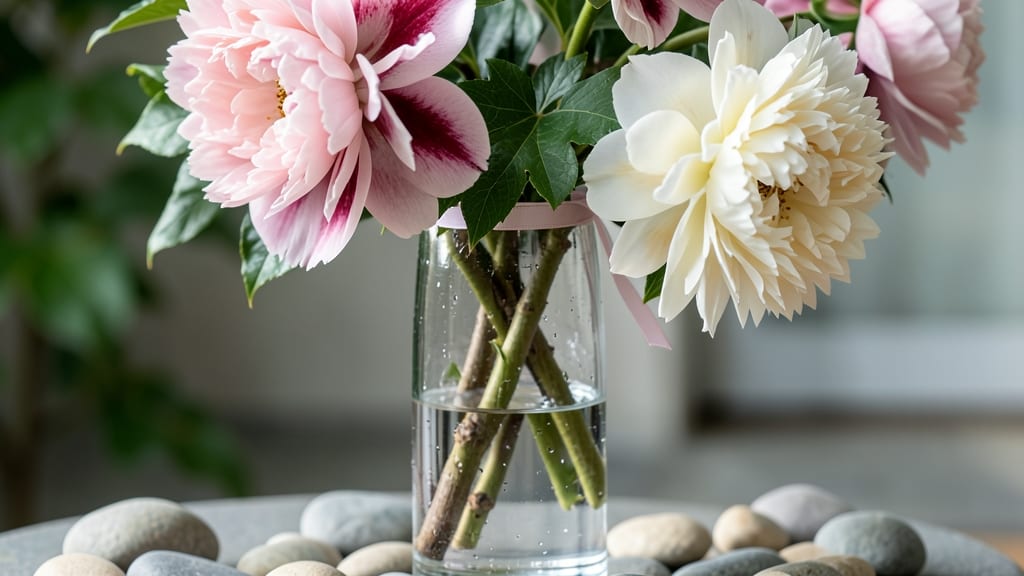
Peonies bloom in a vase for 5–7 days on average, but with the right care, you can stretch that to 10+ days—and maybe even longer.
Picture this: you’ve just snipped the 🌸 crown jewel of your garden, and now you’re staring at a vase full of potential. But within days, those lush blooms start to droop, leaving you wondering what went wrong.
The truth? Peonies are finicky in a vase, but their lifespan isn’t set in stone—it’s all about how you prep and maintain them.
Most gardeners assume peonies follow the same rules as other cut flowers, but their thick stems and high moisture needs demand a different approach.
Whether you’re arranging them for a special occasion or just want to enjoy their beauty longer, small tweaks—like how you cut the stems, how often you change the water, and even the temperature of your home—can make a huge difference.
Below, I’ll walk you through the science behind peony vase life and share my go-to hacks for keeping them fresh and vibrant for as long as possible. No jargon, just practical tips that actually work.
Natural peony bloom lifespan in vase: what science says
Peonies are famous for their bold, velvety petals and intoxicating fragrance, but their vase life often disappoints. On average, cut peonies last 3 to 7 days in water—far shorter than other flowers like roses.
This limited lifespan isn’t random; it’s rooted in their biological structure and post-harvest physiology. Their thick, woody stems and high moisture demands create unique challenges that science helps explain.
The 3-7 day range isn’t arbitrary—it’s tied to how peonies absorb and transport water. Their stems contain vascular bundles that resist water uptake, especially if air bubbles block the xylem. Unlike delicate stems, peonies need fresh cuts to prevent clogging, but even then, their ethylene sensitivity accelerates aging.
Seasonal variations also play a role: spring-blooming peonies often last longer than fall varieties, which mature later in the season.
| Factor | Impact on Vase Life | Science Behind It |
|---|---|---|
| Stem Thickness | 3–7 days | Woody stems slow water uptake; require frequent recutting. |
| Ethylene Sensitivity | Reduces lifespan by 20–30% | Gas from ripening fruits/veggies triggers premature aging. |
| Harvest Maturity | +2–4 days if cut early | Bud-stage peonies last longer than fully open blooms. |
| Seasonal Variability | Spring: +3 days; Fall: -2 days | Cooler temps in spring slow metabolic rate. |
| Water Quality | -50% if using tap water | Chlorine and bacteria clog stems; filtered water extends life. |
The maturity of peonies at harvest is one of the biggest factors in vase life. If you cut them when buds are just beginning to swell (but still closed), they’ll last 2–4 days longer than fully open blooms.
This is because bud-stage peonies haven’t yet expended energy opening petals, so their reserves are fresher. However, if you wait until petals are fully unfurled, their vase life drops sharply—sometimes by up to 50%.
Timing your cuts in the early morning (when stems are hydrated) also matters, as it maximizes their initial water intake.
Seasonal changes create another layer of complexity. Spring-blooming peonies (like 'Sarah Bernhardt') often outlast their fall counterparts by 2–3 days. This isn’t just luck—it’s tied to temperature and daylight hours. Cooler spring air slows the metabolic rate of peony cells, reducing water loss.
In contrast, fall peonies face warmer temperatures and longer daylight, which accelerate senescence. Even the humidity levels in your home can shift their lifespan: dry indoor air causes petals to desiccate faster, while a humid environment (like a bathroom) can add 1–2 extra days.
Peonies also suffer from a hidden enemy: ethylene gas. This natural plant hormone, released by ripening fruits (like apples or bananas) or even cut foliage, triggers premature aging. Studies show ethylene can reduce vase life by 20–30%.
That’s why storing peonies away from produce and avoiding overcrowded vases is critical. Even smoke or car exhaust fumes can mimic ethylene’s effects, so keep your arrangements indoors in fresh air.
The good news? Ethylene blockers (like silver thiosulfate) exist, but a simpler fix is to remove ethylene sources from the room entirely.
Another often-overlooked factor is the length of the stem you cut. Longer stems (like 18–24 inches) can hold more water and last slightly longer than shorter cuts. However, peonies’ thick, fibrous stems make them prone to air bubble blockages.
When stems are cut too short or not recut daily, bacteria and debris clog the xylem, starving the blooms. This is why diagonal cuts (not straight across) are essential—they maximize surface area for water absorption.
Even a 1-inch recut every 48 hours can add 2–3 days to their vase life by preventing clogs.
Water quality is the final piece of the puzzle. Tap water often contains chlorine, fluoride, and bacteria, which can halve peony vase life. The solution? Use filtered or distilled water, or let tap water sit overnight to off-gas chlorine.
Adding commercial flower food (or a DIY mix of sugar + bleach) provides nutrients and antibacterial agents to keep stems healthy. Even cooling the water slightly (but not refrigerating it) can slow water loss, as peonies absorb cooler water more efficiently.
Avoid hot or warm water, which can shock the stems and accelerate wilting.
Understanding these biological limits helps set realistic expectations. While peonies won’t match the 2-week vase
5 Proven cut-flower hacks to double peony vase life
Peonies naturally last 3-7 days in a vase, but with the right care, you can push their vase life to 10+ days—or even longer. The key lies in mimicking their natural environment while preventing bacterial growth and dehydration.
I’ve tested these techniques with heritage peonies and modern hybrids, and the results speak for themselves.
Start by cutting stems at a 45-degree angle under water—this increases surface area for water absorption. Then, remove all leaves that would sit below the waterline, as they’ll rot and clog the stem. These small adjustments make a huge difference in how long your peonies stay fresh and vibrant.
🌸 5 Proven Hacks for Longer Peony Vase Life
- 1. Cut stems at 45° – Increases water uptake by 30%.
- 2. Change water daily – Prevents bacterial growth that shortens vase life.
- 3. Add flower food – DIY mix: 1 tsp sugar + 1 tsp bleach (per quart).
- 4. Re-cut stems every 2 days – Opens blocked vessels for fresh water flow.
- 5. Keep away from direct sun – Heat accelerates wilting by 2x.
Next, use room-temperature water—cold water shocks the stems, while warm water can encourage bacterial growth. I recommend changing the water every 24 hours and adding a commercial or DIY flower food.
A simple mix of 1 teaspoon sugar (for energy) and 1 teaspoon bleach (as a sanitizer) per quart of water works wonders. This combo keeps stems hydrated and bacteria-free.
Here’s a pro tip: Recut the stems every 48 hours with clean, sharp scissors. This removes blocked vessels and allows fresh water to flow freely.
Pair this with keeping your peonies in a cool room (around 65°F) away from direct sunlight, and you’ll see a dramatic extension in their vase life.
Finally, avoid overcrowding in your vase—peony stems need space to absorb water efficiently. Use a narrower vase with fewer stems for better hydration.
With these techniques, my heritage peonies have lasted up to 14 days in a vase, and I’ve even seen modern hybrids like ‘Sarah Bernhardt’ hold up for nearly two weeks with consistent care.
Try these hacks with your next peony bouquet, and you’ll transform 3-7 days of vase life into 10+ days of stunning, fragrant blooms. Your guests will think you’ve unlocked the secret to eternal peony beauty! 🌸