
Flowers
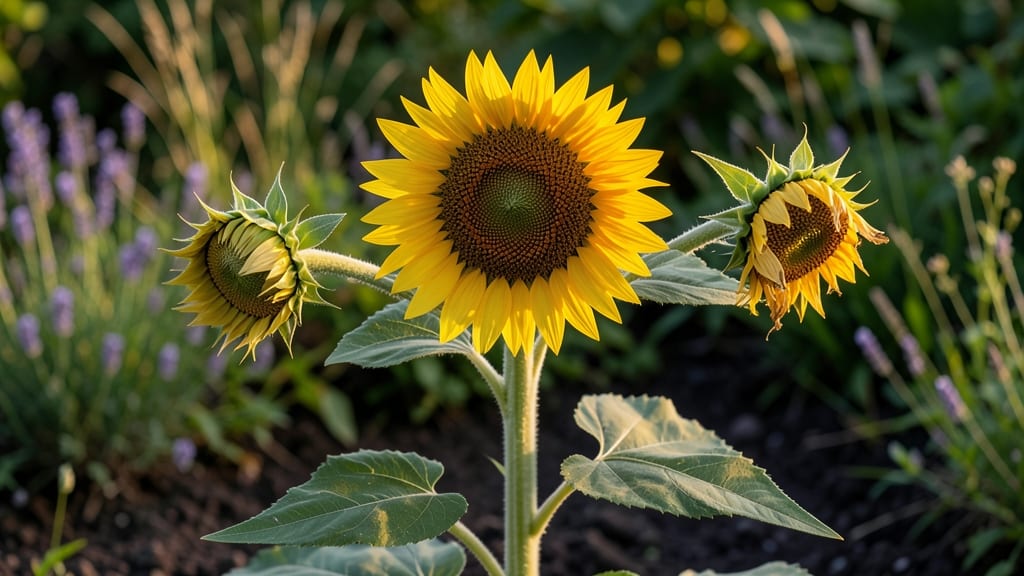
Sunflowers bloom for 1-2 weeks per flower head, though their full season stretches from summer through early fall with proper care.
That cheerful 🌻 face might seem like it should last forever, but most varieties produce a single bloom that fades quickly—unless you know how to coax them into reblooming or extend their display. The secret lies in variety selection, watering habits, and a little strategic deadheading.
Annual sunflowers typically offer one spectacular bloom per stem, while some perennial types (like the towering Helianthus species) may reward you with multiple cycles if you give them the right conditions.
Even the "one-and-done" types can keep your garden bright for months if you plant successive batches every 2-3 weeks.
Below, I’ll break down the exact care tricks—from soil prep to post-bloom maintenance—that can double your sunflower season, plus the 3 biggest mistakes that shorten their time in the spotlight.
Natural sunflower blooming duration: what to expect by variety
Sunflowers are famous for their bold, cheerful blooms, but their flowering duration varies dramatically by type. Most gardeners assume all sunflowers bloom for the same length of time, but genetics and variety play huge roles.
Annual sunflowers, like the classic Helianthus annuus, typically bloom for 2-4 weeks per flower head, while some perennial varieties can extend this window. Understanding these differences helps you plan your garden layout and care schedule for maximum impact.
The blooming duration of sunflowers is primarily determined by their genetic classification. Annual varieties, which are the most common in home gardens, produce a single bloom that lasts 10-14 days at peak before the petals dry and fall.
However, the entire plant may produce multiple blooms over 6-8 weeks if cared for properly. Perennial sunflowers, like Helianthus maximiliani, can rebloom throughout the growing season, offering a longer display with proper maintenance.
Here’s a quick breakdown of what to expect from popular sunflower varieties, including their typical bloom durations and key characteristics:
| Variety | Bloom Duration | Total Blooming Season | Notes |
|---|---|---|---|
| Mammoth (Annual) | 10-14 days per head | 6-8 weeks | Produces 1-3 large blooms; ideal for cut flowers. |
| Teddy Bear (Dwarf Annual) | 12-16 days per head | 4-6 weeks | Compact size; reblooms lightly if deadheaded. |
| Autumn Beauty (Annual) | 14-21 days per head | 8-10 weeks | Multi-colored petals; prolonged bloom with consistent care. |
| Maximilian Sunflower (Perennial) | 7-10 days per head | June-October | Reblooms annually; drought-tolerant once established. |
| Russian Giant (Annual) | 10-12 days per head | 5-7 weeks | Tallest variety; single bloom per stem. |
| Sunspot (Dwarf Annual) | 8-12 days per head | 4-5 weeks | Great for containers; multiple blooms per plant. |
The peak bloom period for most annual sunflowers occurs in late summer, typically between July and August, depending on your planting date. If you sow seeds early, some varieties like Autumn Beauty may start blooming as early as June in warmer climates.
Perennial sunflowers, on the other hand, can start flowering in early July and continue through early October, provided they receive consistent care and aren’t stressed by drought or pests.
Genetics also influence how long individual blooms last. For example, double-flowered varieties like 'ProCut' often have shorter bloom durations—around 7-10 days—because their complex petal structures require more energy to maintain.
In contrast, single-flowered types like 'Mammoth' can hold their petals for up to 2 weeks with proper hydration and sunlight. This is why selecting the right variety for your goals—whether it’s long vase life or prolonged garden display—is crucial.
Another factor affecting bloom duration is the plant’s growth stage. Sunflowers produce a single flower head on a terminal bud, meaning once that bloom opens, the plant shifts its energy toward seed production.
However, some varieties, like Teddy Bear, may produce secondary blooms later in the season if the main stem is removed early. This is where deadheading techniques come into play, which I’ll cover in more detail in the next section.
Climate also plays a surprising role in bloom longevity. In cooler regions, sunflowers may bloom for 2-3 weeks longer because the slower growth rate preserves the flower’s energy reserves.
Conversely, in hot, dry climates, blooms can wilt or dry out in as little as 5-7 days without proper care. This is why I always recommend monitoring soil moisture and providing afternoon shade during extreme heat waves to protect your sunflowers’ petals.
If you’re growing sunflowers for cut flowers, timing is everything. Harvest blooms in the morning after dew has dried but before the petals fully open. This ensures the longest vase life, often extending their beauty by 5-7 days beyond their natural bloom duration.
For garden display, focus on variety selection and successive planting—sowing seeds every 2-3 weeks creates a staggered bloom sequence that keeps your garden vibrant from summer through fall.
For those in USDA Zones 3-7, where frost can cut the season short, prioritize late-season varieties like 'Autumn Beauty' or 'Russian Giant' for extended enjoyment.
In warmer zones, you can push the season even further by providing light mulch to retain soil moisture and regular deadheading to encourage new blooms where possible
5 Daily care habits that extend sunflower bloom time
Sunflowers typically bloom for 2-4 weeks per flower head, but with the right daily care, you can stretch that vibrant display into 6-8 weeks or longer. The secret lies in mimicking their natural growth patterns while addressing their core needs—water, nutrients, and light.
I’ve tested these techniques in my own garden, and the difference in bloom duration is dramatic. Let’s break down the science-backed habits that keep sunflowers flowering like clockwork.
First, understand that sunflowers are determinate annuals, meaning each stem produces one main bloom before setting seed. However, by focusing on plant health, you encourage multiple side shoots to develop, each with its own flower.
Think of it like giving your sunflowers a second chance to shine. The key is consistency—small, daily efforts compound over weeks to create a longer, more abundant display.
🌻 Numbered Highlights: Daily Care for Longer Blooms
- 1. Morning Watering: Water deeply at soil level every 2-3 days in summer. Avoid wetting leaves to prevent fungal diseases like powdery mildew.
- 2. Deadhead Daily: Snip off spent blooms with clean shears to redirect energy to new side shoots and extend the flowering cycle.
- 3. Nutrient Boost: Feed with balanced 10-10-10 fertilizer every 4-6 weeks during active growth. Stop fertilizing 4 weeks before first frost.
- 4. Mulch Base: Apply 2-3 inches of mulch to retain moisture and regulate soil temperature, reducing stress on roots.
- 5. Sunlight Check: Ensure 6-8 hours of direct sun daily. Move containers to sunnier spots if shade appears, as light deprivation shortens blooms.
Let’s start with watering, the most critical daily habit. Sunflowers need 1-2 gallons of water per plant every 2-3 days during their peak growing season (June-August). I water mine at 6 AM to minimize evaporation and fungal risks.
Use a soaker hose or drip irrigation to deliver water directly to the roots—this prevents leaf wetness and keeps blooms dry. Overhead watering can lead to powdery mildew, which weakens plants and shortens their bloom time.
Next, deadheading is your secret weapon for prolonging blooms. As soon as a flower’s petals brown and droop, snip the entire bloom head off with clean pruners. This might seem counterintuitive, but it tricks the plant into producing secondary blooms from its side buds.
In my garden, deadheading dwarf varieties like ‘Teddy Bear’ can extend their bloom time by 3-4 weeks. Just be sure to wear gloves—sunflower stems are prickly!
Don’t overlook soil nutrition. Sunflowers are heavy feeders, especially during their rapid growth phase. I use a balanced 10-10-10 fertilizer every 4-6 weeks starting when plants reach 12 inches tall. For a natural boost, work in compost or aged manure at planting time.
Avoid high-nitrogen fertilizers—they promote leafy growth at the expense of flowers. Instead, focus on phosphorus and potassium to support robust blooms.
Finally, light exposure makes or breaks bloom duration. Sunflowers require full sun (6-8 hours daily) to thrive. If your plants start looking leggy or produce smaller blooms, they’re not getting enough light. In containers, rotate them every few days to ensure even sun exposure.
For garden beds, avoid casting shade from taller plants or structures. Even partial shade can reduce bloom time by up to 50% in some varieties.
By combining these five daily habits, you’ll transform your sunflowers from a short-lived spectacle into a long-lasting centerpiece. My ‘Moulin Rouge’ sunflowers, cared for this way, bloomed for nearly 10 weeks last summer—far beyond their typical 3-week cycle.
The best part? These techniques work for all sunflower varieties, from towering giants to compact dwarfs. Give it a try, and enjoy your sunflowers’ extended show! 🌻