
How To
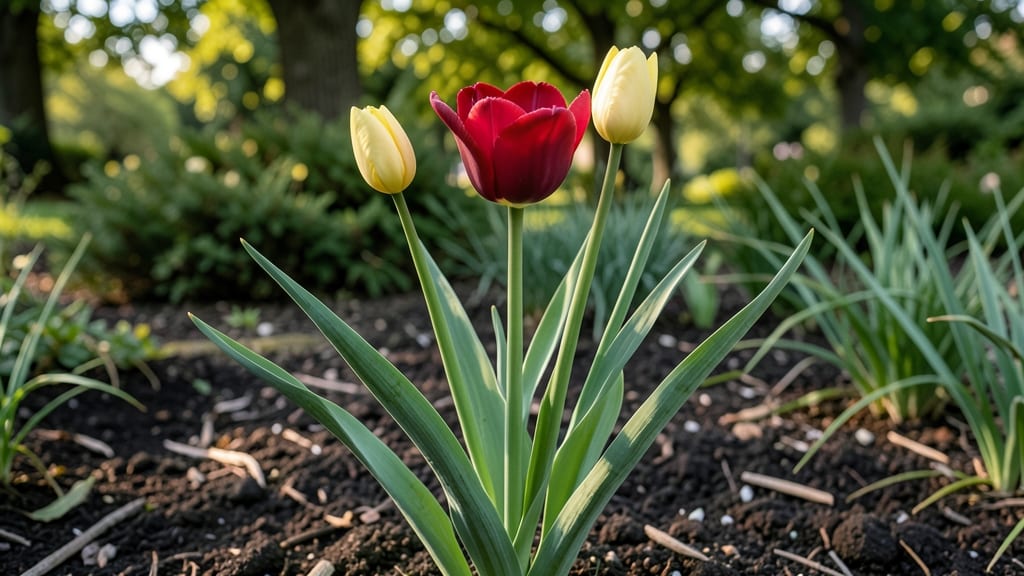
Tulips bloom for 1 to 2 weeks in spring, but their vibrant display can feel like a fleeting dream if you don’t know how to extend it.
Ever noticed how some 🌷 varieties vanish in just a few days while others linger for weeks? The secret lies in their type—Darwin Hybrids, for example, hold their color twice as long as early Fosteriana. With the right care, you can turn a short-lived burst into a garden showstopper.
In this guide, I’ll break down exactly how long each tulip variety stays in bloom, from 3-day ephemerals to 3-week showstoppers. You’ll also discover the simple tricks—like deadheading and soil prep—that can add days (or even weeks) to their display.
Ready to turn your spring garden into a tulip paradise? Let’s dive into the week-by-week timeline and the care habits that make all the difference.
Tulip bloom duration by variety: fastest to longest-lasting types
Not all tulips follow the same bloom timeline. Some varieties burst into color for just 3-5 days, while others linger beautifully for 2 weeks or more.
This dramatic difference depends on the tulip species and hybrid classification. Understanding these distinctions helps you plan a garden that stays vibrant longer.
Early bloomers like 'Fosteriana' tulips often show up first in late winter, offering 5-7 days of bold color. Meanwhile, late-season 'Darwin Hybrid' varieties may not peak until late April, rewarding you with 10-14 days of showstopping blooms.
The key is selecting varieties that align with your climate and desired spring garden timeline.
Bloom duration also depends on environmental factors like temperature and sunlight exposure. Cooler climates can extend tulip life, while hotter regions may shorten their display. For gardeners in Zone 6a or warmer, choosing heat-tolerant varieties can make all the difference.
The 'Darwin Hybrid' tulips are my top recommendation for gardeners who want long-lasting color. These varieties often bloom 2 weeks or more and thrive in full sun conditions. Their sturdy stems also make them ideal for cut flower arrangements, extending their beauty indoors.
If you're planting for early spring interest, consider 'Fosteriana' tulips. They're the first to emerge in late winter, offering 5-7 days of striking, cup-shaped blooms. Their bold foliage adds texture to the garden even after the flowers fade.
For a mid-spring spectacle, 'Parrot' tulips deliver 8-12 days of vibrant, feather-like blooms. These varieties are perfect for containers or border plantings where you want to make a statement. Their unique petal patterns also make them excellent for photography.
To maximize bloom duration, plant tulips in well-draining soil with full sun exposure. Avoid over-fertilizing, as too much nitrogen can shorten bloom time. Instead, focus on balanced fertilization in early spring to support strong stems and vibrant flowers.
Deadheading spent blooms promptly can also extend the garden's appeal by redirecting energy to the foliage. Let the leaves turn yellow naturally—this process ensures the bulbs store nutrients for next year's blooms. Skipping this step can result in shorter blooms in subsequent seasons.
For cut flowers, harvest tulips when half the petals unfurl. This stage ensures the longest vase life, often adding 5-7 extra days to their display. Change the water every 2 days and trim stems at an angle to maximize water absorption.
By mixing short-lived and long-lasting varieties, you can create a staggered bloom sequence that keeps your garden looking fresh from late winter through late spring. Start with 'Fosteriana' for early color, then add 'Darwin Hybrid' and 'Double Late' for prolonged enjoyment.
Week-by-Week bloom timeline: when to expect peak color and how to extend it
Tulips follow a predictable bloom cycle that typically spans 3-4 weeks from first bud to final petal drop. However, the peak color phase—when your garden truly shines—usually lasts just 5-14 days depending on the variety.
This timeline helps you anticipate when to enjoy full blooms and how to stretch their display with simple techniques.
Understanding these stages transforms your garden from a fleeting spring flash to a prolonged seasonal showcase. For example, early bloomers like Fosteriana tulips may peak in late March, while late varieties like Darwin Hybrids hit their stride in mid-April.
Knowing these windows lets you plan companion plants and maintenance tasks strategically.
- 🌱 Week 1: Bud formation begins. Stems elongate, and buds swell but remain tightly closed.
- 🌸 Week 2: Peak budding phase. Buds open slightly (20-30%), revealing vibrant colors. Ideal time for cutting flowers!
- 🌺 Week 3: Full bloom (7-14 days). Petals fully unfurl—this is your prime display window for photos and arrangements.
- 🌿 Week 4: Petals begin wilting. Leaves stay green for 6-8 weeks to feed bulbs for next year.
To extend your tulips' vase life, cut stems at the right stage—just as buds begin to swell (early Week 2). Remove lower leaves to reduce bacterial growth in water, and change the vase water every 2-3 days.
This simple trick can add 3-5 extra days of fresh blooms indoors.
For garden longevity, deadhead spent blooms immediately (Week 4) to redirect energy to bulb storage. Avoid cutting foliage until it yellows naturally—this ensures next year's blooms. A light application of balanced fertilizer (10-10-10) after blooming also boosts future performance.
Pro tip: Plant early, mid, and late blooming varieties together to create a staggered color cascade. For instance, pair Parrot tulips (long-lasting) with Fringed tulips (shorter bloom) for a 3-week display. This extends your garden's visual impact without extra effort.
With these strategies, you can turn tulips from a one-week wonder into a month-long garden highlight. The key is timing—know your varieties, act during critical weeks, and let the bulbs do the rest.
Your spring garden will thank you with bold, prolonged color that keeps neighbors reaching for their cameras! 🌷✂️