
Blooming
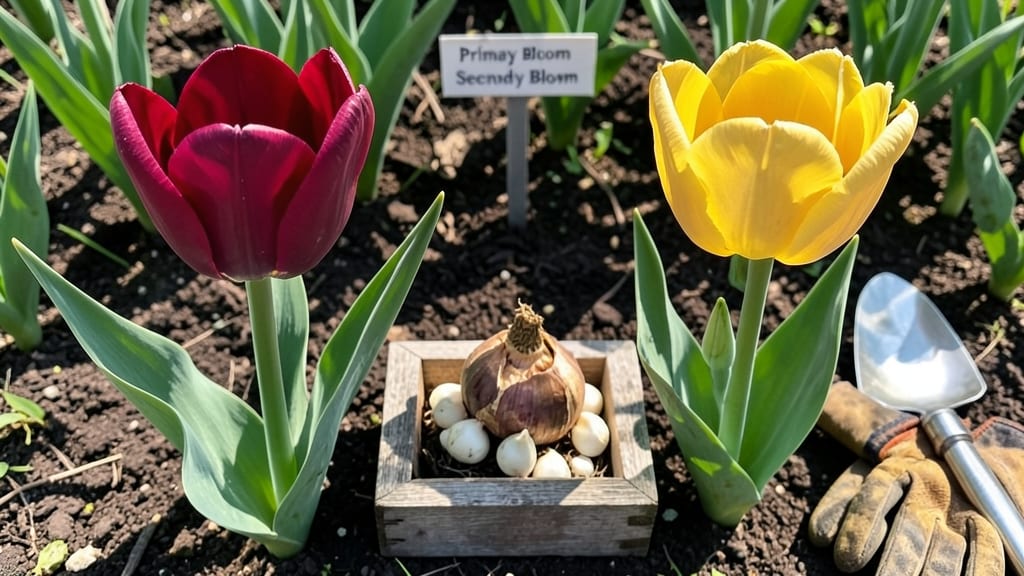
Can tulips bloom twice in one season? Only if planted as reblooming varieties (like 'Darwin Hybrid' or 'Fosteriana'), which require deadheading spent blooms and proper care. Standard tulips bloom once per season before entering dormancy.
Most gardeners know tulips as one-and-done bloomers, but certain varieties break this rule through careful breeding. 🌷 The secret lies in how these special hybrids store energy differently—reblooming types like 'Double Late' or 'Parrot' tulips can push out a second flush of flowers if you remove faded blooms promptly and provide consistent care.
This isn't magic; it's about managing the plant's energy reserves through proper deadheading and nutrition, which tricks the bulb into extending its growing season.
What's fascinating is how this works biologically. Standard tulips allocate all their energy to that single spring bloom, then enter dormancy. Rebloomers, however, have been bred to distribute their energy more evenly, allowing them to produce flowers again later in the season when conditions are right.
The catch? You'll need to provide balanced fertilization, adequate sunlight, and consistent moisture throughout the growing season to support this extra effort.
💡 In This Article
- Why Most Tulips Bloom Only Once and How Rebloomers Defy the Rule
- How to Encourage Second Tulip Blooms: Step-by-Step Gardening Tips
Why most tulips bloom only once and how rebloomers defy the rule
The reason most tulips bloom just once per season comes down to their natural energy allocation strategy. After flowering, standard tulips like 'Apeldoorn' or 'Queen of Night' shift all their resources into bulb development for next year's growth, then enter a mandatory dormancy period during summer.
This biological shutdown prevents them from producing another bloom until the following spring. 🌱 The process involves hormonal changes where the plant prioritizes bulb storage over flower production, making a second bloom energetically impossible without intervention.
Reblooming varieties like 'Darwin Hybrid' tulips have been selectively bred to override this natural cycle. Through generations of crossbreeding, horticulturists developed bulbs that store energy more efficiently and distribute it differently.
These special tulips can produce a second flush of flowers because they've been genetically programmed to delay dormancy and maintain active growth when given proper care.
For example, 'Fosteriana' tulips naturally produce two blooms per season in their native regions, demonstrating how climate and breeding can reshape a plant's growth patterns.
The key difference lies in how each type manages its carbohydrate reserves. Standard tulips convert all stored sugars into bulb tissue during dormancy, while rebloomers maintain some reserves for later flower production.
This is why deadheading becomes crucial—removing spent blooms redirects the plant's energy back into bulb development rather than seed production, which would further deplete its resources. Without this practice, even reblooming varieties may only produce one bloom cycle.
Light exposure plays a critical role too. Tulips require 12-14 hours of daylight to initiate flowering, but rebloomers can respond to secondary light exposure later in the season. This photoperiod sensitivity explains why second blooms often appear in late summer or early fall when daylight begins decreasing again.
The plant essentially gets a second chance to flower when the light conditions become favorable once more, provided it has sufficient energy reserves.
Temperature also factors into this process. Reblooming varieties thrive in regions with moderate summer temperatures (70-80°F), as extreme heat can trigger premature dormancy. The ideal scenario involves consistent moisture, balanced fertilization (with higher phosphorus content), and gradual temperature changes that mimic natural seasonal transitions.
These conditions help maintain the plant's metabolic activity without forcing it into early dormancy.
What's particularly interesting is how this reblooming trait varies even among hybrid varieties. For instance, 'Parrot' tulips often produce second blooms more reliably than 'Fringed' types because their genetic makeup makes them better at storing and redistributing energy.
This genetic diversity means gardeners must select varieties carefully based on their local climate and growing conditions to maximize their chances of seeing that second bloom.
The bottom line is that reblooming tulips don't defy nature—they've been bred to work within it more efficiently. By understanding these biological mechanisms, gardeners can create the perfect conditions for their tulips to perform this seasonal miracle year after year. 🌷