
Propagation
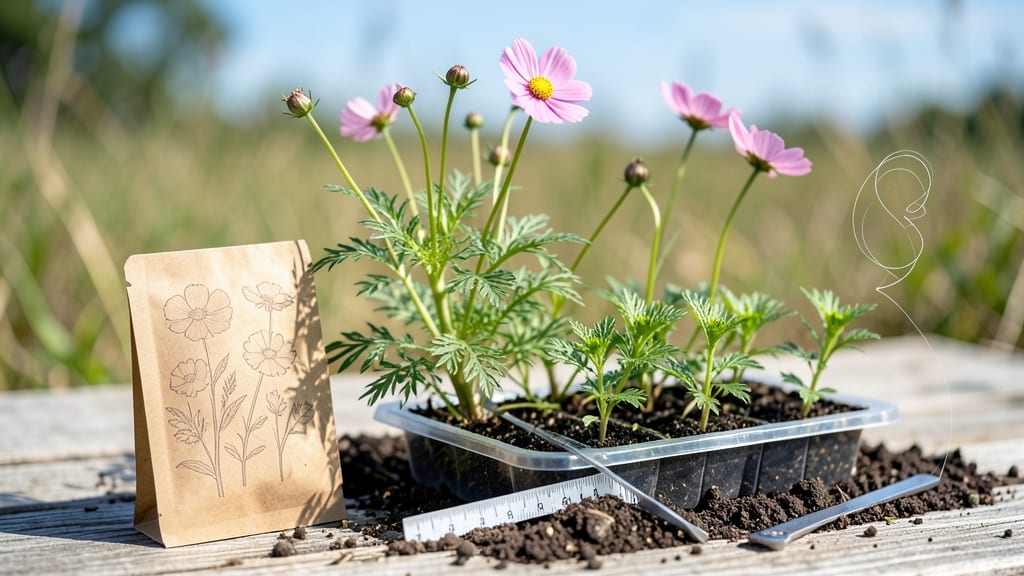
Cosmos flowers bloom from seed in as few as 60 days when conditions are just right — a speed that turns impatient gardeners into instant rewards.
Picture this: you tuck those tiny seeds into the soil in spring, and by early summer, your garden is alive with vibrant pinks, whites, and purples. But not all cosmos varieties play by the same rules, and a few simple tweaks can shave weeks off that timeline.
If you’ve ever waited months for blooms only to wonder what went wrong, you’re not alone.
The key to faster blooms lies in choosing the right variety, giving them full sun, and avoiding common pitfalls like overcrowding or too much nitrogen.
Some cosmos, like ‘Bright Lights,’ hit their first flowers in just 45 days, while others take closer to 90 days—and that gap makes all the difference for a summer-long display.
In this guide, I’ll walk you through the exact timeline by stage, the fastest varieties to plant, and the pro tips that cut weeks off your wait. Ready to turn those seeds into showstoppers?

Cosmos bloom timeline: fastest varieties and growth stages explained
Cosmos flowers are beloved for their effortless beauty and quick growth, but not all varieties bloom at the same speed. Some fastest-blooming cosmos can reward you with vibrant flowers in just 60 days from seed, while others take up to 90 days.
Understanding the growth stages and variety-specific timelines helps you plan your garden for maximum impact.
The journey from seed to bloom follows three key phases: germination (5–14 days), vegetative growth (3–4 weeks), and flowering (4–8 weeks). Each stage depends on factors like soil temperature, sunlight exposure, and water consistency. Let’s dive into the fastest varieties and how to spot maturity signs.
Below is a summary table of the top cosmos varieties ranked by bloom speed, along with their ideal stem height and bud formation cues. Use this as your guide to predict when your garden will burst into color!
For the fastest blooms, prioritize varieties like Bright Lights or Sensation Mix, which can flower in as little as 55 days under ideal conditions. These varieties are perfect for cut flower gardens or container planting where space is limited.
Look for bud formation at 6–12 inches of stem growth—a sure sign flowers are imminent!
During the vegetative growth stage (weeks 3–6), cosmos focus on leaf and stem development. This is when they build energy for flowering. Ensure they receive 6+ hours of sunlight daily and consistent moisture (but avoid soggy soil). Thin seedlings to 12–18 inches apart to prevent competition and encourage stronger stems.
Maturity signs like bud swelling and stem height (typically 12–18 inches) signal the transition to flowering. At this stage, reduce nitrogen-rich fertilizers to avoid leafy growth at the expense of blooms.
Instead, switch to a phosphorus-heavy feed (like 5-10-10) to promote flowering. Deadhead spent blooms regularly to extend the season and encourage more flowers.
If your cosmos are taking longer than expected to bloom, check for common delays like overcrowding, poor soil drainage, or insufficient sunlight. Cosmos thrive in well-draining soil with a pH of 6.0–7.0 and full sun exposure.
Amend heavy clay soil with compost to improve aeration and nutrient availability. In cooler climates, consider starting seeds indoors 4–6 weeks before the last frost for an earlier bloom.
Pro tip: Plant cosmos in succession every 2–3 weeks for a continuous display of blooms from mid-summer to frost. This staggered approach ensures you’ll always have fresh flowers for cutting or enjoying in the garden.
With the right variety and care, you could be snipping cosmos for bouquets in as little as 8 weeks!
🌸
How to speed up cosmos blooming: pro tips for faster flowers
Ready to transform your garden into a riot of cosmos color? The secret to faster blooms lies in strategic planting timing and optimal growing conditions.
Unlike slow-growing perennials, cosmos are annuals that reward quick action with rapid results—some varieties bloom in just 60 days when given the right care. Let’s dive into the proven methods to coax those cheerful daisy faces out sooner.
Timing is everything when it comes to cosmos. Planting in early spring (after the last frost) or late summer (for fall blooms) gives your plants the longest possible growing season before frost hits. In warmer climates, you can even sow seeds directly in fall for stunning winter blooms.
The key is ensuring your cosmos get at least 6 hours of full sun daily—this sunlight triggers faster growth and earlier flowering.
⚠️ NUMBERED HIGHLIGHTS ⚠️
- 1 Plant seeds 1/4 inch deep in well-draining soil for fastest germination (7-14 days).
- 2 Space seedlings 12-18 inches apart to prevent overcrowding, which delays blooming.
- 3 Use a balanced fertilizer (5-10-10) every 4-6 weeks to boost growth without excess nitrogen.
- 4 Water deeply in the morning to encourage strong root development and prevent fungal issues.
- 5 Deadhead spent blooms to redirect energy into new flowers and extend the blooming season.
Don’t overlook the power of companion planting to supercharge your cosmos. Pair them with basil, marigolds, or nasturtiums to deter pests and improve soil health. These companions create a thriving ecosystem that reduces stress on your cosmos, helping them focus energy on faster blooming.
Avoid planting near tomatoes or potatoes, as they can compete for nutrients and slow growth.
For instant gratification, opt for pre-started cosmos seedlings from a nursery. These plants are already past the slow germination stage and can bloom 2-3 weeks earlier than seeds.
Just transplant them into nutrient-rich soil and give them plenty of sunlight, and you’ll see those first buds in as little as 45 days. My own garden thrives with this method—just be sure to harden off seedlings before planting!
Finally, monitor your cosmos for signs of stress, like yellowing leaves or stunted growth. These are red flags that your plants aren’t getting the right care. Adjust watering, sunlight, or fertilizer as needed, and your cosmos will reward you with vibrant blooms in record time.
With these pro tips, you’ll be enjoying a sea of cosmos long before your neighbors even think to plant! 🌼