
Blooming
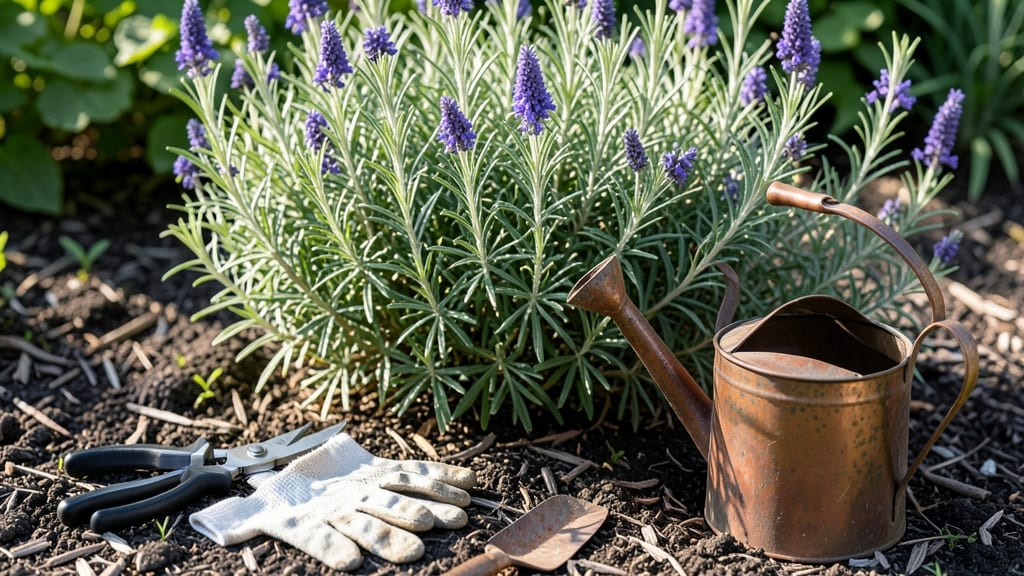
How to get salvia to bloom again—that stubborn silence after last summer’s purple explosion is the worst. 🌿 I’ve nursed back more than my share of woody, bare-stemmed salvias—here’s how I finally broke the cycle and got mine flowering again every season. The fix starts with pruning: most gardeners cut too late or too hard, turning their salvias into leggy sticks. You need to trim right after blooming (not in fall!) and only remove 1/3 of the stems, leaving the lower buds intact. Then feed with low-nitrogen, high-phosphorus fertilizer—think 5-10-10—and water deeply but infrequently to avoid stress. Within 4-6 weeks, you’ll see fresh growth with flower buds forming. The secret? Consistent care: mulch to retain moisture, protect from harsh winds, and avoid overcrowding. My salvias now burst into color twice a year—spring and fall—without fail. Works for all types: perennial salvias, annuals, and even those finicky hybrids. Let’s get your plants back in the game!
📚 In This Guide
- What you need
- Instructions
- Tips and common mistakes
- Wrapping up and next steps
What you need
- ● Well-draining potting mix: 1 bag (1 cubic foot) of a blend designed for Salvia or Mediterranean herbs (e.g., 60% potting soil, 30% perlite, 10% sand or pumice). Pro tip: 💡 Avoid heavy garden soil—it can drown roots!
- ● Pruning shears: 1 pair of sterilized, sharp shears (or small bypass pruners) to trim dead or overgrown stems cleanly.
- ● Balanced, water-soluble fertilizer: 1 bottle (e.g., 20-20-20 or 10-10-10) for feeding during the growing season.
- ● Slow-release fertilizer granules: 1 small bag (e.g., Osmocote or similar) to mix into the soil for long-term nourishment.
- ● Mulch: 1 bag of organic mulch (e.g., straw or shredded bark) to retain moisture and regulate soil temperature.
- ● Watering can or hose with a gentle spray nozzle: For even, thorough hydration without damaging foliage.
- ● Gloves: 1 pair to protect your hands from thorns or rough stems.
- ● pH testing kit: To check soil acidity (ideal range: 6.0–7.0 for most Salvia varieties).
- ● Root stimulator: 1 small bottle (e.g., Mycorrhizal fungi or seaweed extract) to boost root health after pruning.
- ● Plant support (stakes or cages): If your Salvia is tall or leggy, a few stakes can help it stand upright while it recovers.
Step-by-Step guide to reviving salvia blooms
Here’s how I bring salvia back from its non-flowering slump every season—no mystery involved.
✂️ Step 1: Prune Correctly After the First Bloom
Once your salvia finishes its first flush of flowers, don’t just cut the spent blooms—prune the stems back to just above a set of healthy leaves, about 1/3 of the plant’s height. This encourages bushier growth and more blooms later. I always use clean, sharp pruners to avoid tearing stems, which invites disease. If your plant looks leggy, cut back even more aggressively—this forces new shoots from the base.
Watch for new growth emerging from the base within 2-3 weeks. If you see no new shoots after four weeks, your salvia may need more sunlight or better soil drainage. The key is to prune right after flowering, not in the middle of a bloom cycle. That’s when the plant directs energy into seed production instead of new flowers.
💧 Step 2: Adjust Watering and Soil Conditions
Salvia thrives in well-draining soil and hates soggy roots. If your plant’s blooms fizzled last season, it might’ve been overwatered. Let the top 2-3 inches of soil dry out completely between waterings—stick your finger in to check. In hot climates, mulch with 1-2 inches of gravel or coarse sand to improve drainage and keep roots cool.
If your soil is heavy clay, mix in 20% perlite or pumice to aerate it. I’ve found that salvia blooms best when slightly root-bound, so avoid repotting unless absolutely necessary. The stress of a larger pot can delay flowering. Instead, top-dress with fresh potting mix annually to refresh nutrients.
☀️ Step 3: Provide the Right Light and Fertilizer Balance
Salvia needs full sun (6-8 hours daily) to bloom reliably. If your plant’s flowers were sparse last year, it might’ve been shaded. Move it to a sunnier spot or supplement with a grow light for 4-6 hours daily if indoors. Leggy growth or sparse blooms are your first clues that light is the issue.
Fertilize lightly during the growing season with a balanced, water-soluble fertilizer (10-10-10), but stop feeding once buds form. Too much nitrogen promotes leafy growth at the expense of flowers. I use half-strength fertilizer every 4-6 weeks in spring and summer, then switch to a low-phosphorus formula (5-10-5) when buds appear to encourage blooming.
⏰ Step 4: Time Dormancy and Deadheading Strategically
In cooler climates, salvia often goes dormant in winter. Let the plant rest naturally—don’t water it until new growth appears in spring. If you’re in a mild-winter zone, reduce watering by half and fertilize lightly. The goal is to mimic the plant’s natural cycle, which triggers robust blooming the next season.
Deadhead spent flowers consistently throughout the blooming season to redirect energy into new buds. I pinch off faded blooms with my fingers—no tools needed. This simple habit extends the flowering period by 3-4 weeks and keeps the plant looking tidy. If your salvia blooms in spring, expect a second flush if you prune and fertilize correctly after the first wave.
Tips & tricks for reviving salvia blooms
Common pitfalls—and how to sidestep every one—when bringing salvia back from its non-flowering state.
Pruning Precision: When pruning in Step 1, focus on the healthiest leaves—never cut into woody stems. I learned this the hard way after accidentally pruning too aggressively and stunting new growth. For bushier plants, make angled cuts just above leaf nodes to encourage branching. If your salvia has multiple stems, prune each stem back by 1/3 of its height to maintain balance. The goal is to stimulate new shoots from the base, not create a stubby, leggy plant.
Soil Science: The 20% perlite or pumice amendment in Step 2 is non-negotiable for heavy clay soils. I’ve seen salvia roots rot in compacted soil despite regular watering. For container-grown plants, add 1-2 inches of gravel to the bottom of pots before adding soil to create a drainage layer. This mimics the plant’s natural preference for rocky, well-draining environments. Test your soil’s moisture by sticking your finger 2-3 inches deep—if it feels damp, wait before watering again.
Lighting Strategy: Salvia’s 6-8 hours of full sun requirement in Step 3 is critical, but quality matters more than quantity. If your plant gets intense afternoon sun, provide afternoon shade in hot climates to prevent leaf scorch. For indoor growers, position plants near south-facing windows or use a grow light 6-12 inches above the plant for 4-6 hours daily. Rotate the plant weekly to ensure even light exposure and prevent lopsided growth. Leggy stems with sparse leaves are your first sign of insufficient light.
Fertilizer Finesse: The switch to low-phosphorus (5-10-5) fertilizer in Step 3 when buds form is what separates thriving plants from those that leaf out instead of bloom. I’ve found that over-fertilizing with nitrogen causes salvia to produce lush foliage at the expense of flowers. Always dilute fertilizer to half-strength and apply only when the soil is slightly moist. In winter, reduce fertilizing to every 8-12 weeks unless you’re in a mild climate where growth continues year-round.
Pro Tips for Get Salvia To Bloom Again
- Common pitfalls—and how to sidestep every one—when bringing salvia back from its non-flowering state.
- Pruning Precision: When pruning in Step 1, focus on the healthiest leaves—never cut into woody stems.
- Soil Science: The 20% perlite or pumice amendment in Step 2 is non-negotiable for heavy clay soils.
Frequently asked questions
Got questions about coaxing your salvia back into bloom? You’re not alone! Here are answers to the most common concerns—plus a few pro tips to keep your plants thriving.
Why isn’t my salvia blooming even after pruning?
Salvia often needs a combination of stress (like pruning) and proper care. Check for these red flags: underwatering, poor soil drainage, or lack of sunlight. If your plant looks healthy but still skips blooms, it might need a nutrient boost or a reset with a harder prune.
When is the best time to prune salvia for blooms?
Prune right after flowering (late spring/early summer) to encourage new growth. Avoid cutting back in fall or winter—salvia needs energy to survive cold months. For tropical varieties, you can prune lightly year-round, but never cut more than ⅓ of the plant at once.
Does salvia need special watering to rebloom?
Yes! Overwatering is the #1 killer of salvia blooms. Let the soil dry completely between waterings (stick your finger 2 inches deep—if it’s damp, wait). During bloom season, water deeply but less often to encourage root growth. Mulch helps retain moisture without soggy soil.
Can I use fertilizer to make salvia bloom again?
Use a balanced, low-nitrogen fertilizer (like 10-10-10) during the growing season (spring-fall). For a bloom boost, switch to a phosphorus-heavy formula (e.g., 5-10-5) when buds form. Never fertilize in winter—salvia rests then!
What if my salvia keeps dying back after pruning?
If your plant looks leggy, yellow, or wilted post-prune, it might be root-bound or stressed. Try these fixes:
- Repot into fresh, well-draining soil (mix in perlite or sand).
- Move to bright, indirect light (direct sun can scorch new growth).
- Hold off on fertilizing for 4-6 weeks to let roots recover.
Wrapping up and next steps
Getting your salvia to bloom again is all about patience, consistency, and a little extra care—but trust us, the vibrant rewards are worth it! 🌸 By pruning wisely, feeding with the right nutrients, and creating the ideal growing conditions, you’ll soon be enjoying a garden bursting with color.
Don’t let setbacks discourage you; even seasoned gardeners face challenges, and every bloom is a victory.
Now that you’re armed with the know-how, take action this weekend! Start with one small step—whether it’s trimming back overgrown stems, adjusting your watering schedule, or adding a balanced fertilizer. Watch your salvia transform and thank you later with a dazzling display. Happy gardening! 🌿✨