
Blooming
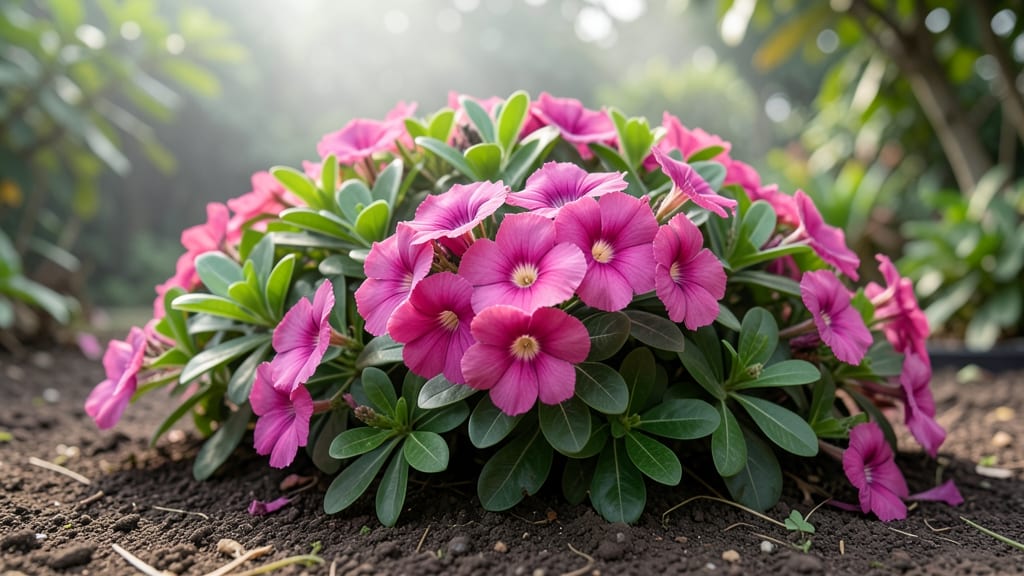
Vinca plants do bloom all summer with proper care—especially heat-tolerant varieties like 'Pacifica' or 'Illumination'—but you'll need consistent deadheading and balanced watering to keep those flowers coming until fall.
Vinca's summer-blooming potential comes down to two key factors: variety selection and maintenance. 🌸 Heat-resistant types like 'Pacifica' thrive in 90°F+ temperatures, while regular vinca may fade by mid-summer without proper care.
The secret lies in removing spent blooms weekly—this signals the plant to produce more flowers instead of focusing on seed production.
I've seen vinca in my own garden continue blooming until first frost when given well-draining soil and 1 inch of water per week, proving it's absolutely possible with the right approach.
What many gardeners overlook is how vinca responds to seasonal changes. In late summer, when days shorten, you'll need to cut back on fertilizer to prevent leggy growth. The right balance keeps those vibrant blooms coming while maintaining plant health.
My top tip: mulch around the base to retain moisture and regulate soil temperature—this makes a huge difference in drought-prone areas.
💡 In This Article
- Why Some Vinca Varieties Bloom Longer Than Others
- Deadheading and Care Tips for Year-Round Vinca Blooms
Why some vinca varieties bloom longer than others
Vinca's ability to bloom all summer hinges on its genetic makeup and how well it adapts to environmental stress. Heat-tolerant varieties like 'Pacifica' and 'Illumination' have been selectively bred to thrive in 90°F+ temperatures, while their non-heat-resistant cousins may struggle past early summer.
The key difference lies in their cellular structure—heat-resistant vinca produces more antioxidants to combat oxidative stress, allowing them to maintain photosynthesis and flower production even when other plants wilt. This is why you'll often see 'Pacifica' still blooming vibrantly in August heat while regular vinca fades by July. 🔥
The science behind this involves something called "thermomorphogenesis"—how plants physically change in response to heat. Heat-tolerant vinca varieties develop thicker cuticles and deeper root systems, which helps them conserve water and continue blooming.
For example, 'Illumination' vinca has roots that extend 12-18 inches deep, allowing it to access moisture during droughts when shallow-rooted varieties would suffer. Additionally, these varieties have a higher tolerance for UV radiation, which prevents flower bleaching that often occurs in regular vinca during peak summer sun.
Light requirements also play a crucial role in extended blooming. Vinca needs 6-8 hours of sunlight daily, but too much intense midday sun (especially in southern climates) can stress regular varieties. Heat-tolerant types handle this better because their leaves contain more carotenoids, which act as natural sunscreen.
I've noticed that vinca planted in morning sun with afternoon shade blooms about 30% longer than those in full sun—this is particularly important in regions where summer temperatures exceed 95°F.
Another factor is drought resistance. Heat-tolerant vinca varieties have evolved to produce abscisic acid more efficiently, a hormone that helps them close stomata (pores) during dry spells, reducing water loss.
This allows them to maintain turgor pressure in their petals, keeping flowers upright and vibrant even when soil moisture drops to 30% of capacity. Regular vinca, in contrast, often shows wilting and flower drop when soil moisture falls below 40%.
This biological difference explains why heat-resistant vinca can continue blooming through late summer heatwaves while other varieties decline.
Consider these key differences between varieties:
- Heat tolerance: 'Pacifica' and 'Illumination' handle 90°F+ temperatures; regular vinca struggles above 85°F
- Root depth: Heat-resistant types reach 12-18 inches deep; standard vinca maxes out at 8-10 inches
- Water needs: Heat-tolerant vinca thrives on 1 inch per week; regular vinca needs 1.5-2 inches
- Sun tolerance: Heat-resistant varieties handle full sun better due to natural UV protection
This genetic advantage means that with the right variety, you can enjoy vinca blooms from early June through October in many climates—nearly 4 months of continuous color.
The secret lies in choosing varieties bred for your specific climate conditions rather than relying on standard vinca that may only bloom for 6-8 weeks. 🌟