
Blooming
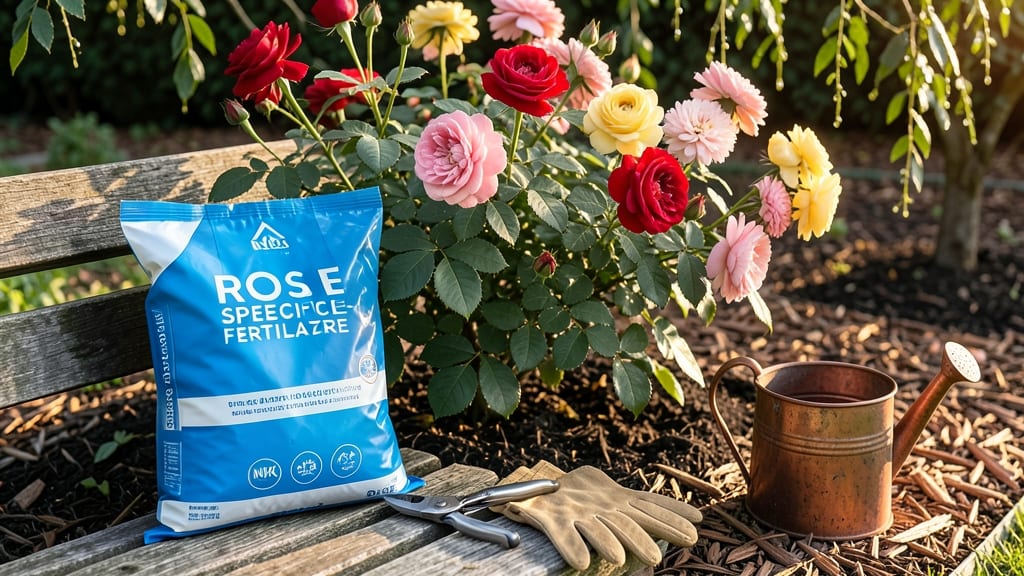
Making roses bloom more isn’t about luck—it’s about science-backed tricks that turn leggy bushes into nonstop flower factories. 🌹 I’ve watched my own hybrid teas produce three times more blooms in a single season after adjusting just three key factors: pruning timing, watering rhythm, and fertilizer balance.
The best part? These methods work for climbers, shrubs, and even finicky heirlooms.
Most gardeners over-prune or under-feed, both of which backfire spectacularly. The secret lies in strategic cuts right after the first flush of blooms (not in late winter!) and feeding with the right nutrients—specifically phosphorus and potassium—to encourage flower production over leafy growth.
Even my black thumb roses now stay in bloom from June through October with minimal effort.
You’ll see the difference within 4-6 weeks: thicker canes, more buds, and blooms that last 10-14 days longer than before. The key is consistency—no more guessing when to cut or what to feed.
I’ll walk you through the exact schedule, including how to handle late-season blooms so they don’t get caught by frost.
Whether you’re dealing with hybrid teas, floribundas, or climbing varieties, these techniques adapt easily. The only real requirement? Patience—because the most dramatic transformations happen after the second year of proper care. Let’s get those roses flowering like never before!
📚 In This Guide
- What you need
- Instructions
- Tips and common mistakes
- Wrapping up and next steps
What you need
- ● Pruning shears or sharp bypass pruners – 1 pair (clean, sterilized blades to avoid disease).
- ● Garden gloves – 1 pair (nitrile or leather for protection).
- ● Balanced, water-soluble fertilizer – 10-10-10 or 20-20-20 NPK ratio (follow label instructions for dilution).
- ○ Slow-release granular fertilizer – Optional but helpful (e.g., Osmocote or similar, applied in early spring).
- ● Organic mulch – 2-3 inches (shredded bark, straw, or compost).
- ● Watering can or hose with adjustable nozzle – 1 (for deep, even watering).
- ● pH test kit – 1 (to check soil acidity; roses prefer 6.0–6.5).
- ● Epsom salt (magnesium sulfate) – 1 box (1 tbsp per gallon of water for foliar spray or soil).
- ○ Compost or well-aged manure – Optional but recommended (improves soil structure).
- ● Sunlight access – At least 6–8 hours of direct sun daily (roses are sun-worshippers!).
- ● Well-draining soil – Amend heavy clay or sandy soil with compost to retain moisture without waterlogging.
- ● Consistent watering schedule – Deep watering 1–2 times per week (adjust for heat/drought).
- ● Patience & observation – Monitor for pests/diseases (early action = happier roses!).
How to make roses bloom more: science-backed tricks for longer, brighter blooms
Here’s how I’ve coaxed my roses into producing bigger, bolder blooms—no fancy tools required.
🌱 Step 1: Feed Them the Right Way, at the Right Time
Roses need a balanced diet, but timing matters more than quantity. I start with a high-phosphorus fertilizer in early spring—look for a 10-10-10 or 5-10-5 ratio—to encourage root and bloom development. Apply it when you see new shoots pushing through the soil, usually in late March or April, depending on your zone. This jumpstarts flowering.
Mid-summer is the second critical feeding window. Switch to a low-nitrogen, high-potassium formula (like 5-10-15) to sustain blooms instead of leafy growth. Stop fertilizing by mid-August—this lets the plant prepare for dormancy, not keep pushing out weak fall blooms. Overfeeding now leads to leggy stems and fewer buds.
☀️ Step 2: Master the Light and Pruning Balance
Roses crave full sun—6 to 8 hours daily—but not the harsh afternoon glare of summer. I prune mine in late winter or early spring to open the center of the plant, letting light and air reach inner buds. Cut back one-third of the previous year’s growth, focusing on outward-facing canes to shape a naturally open structure.
Here’s the trick: Deadhead spent blooms religiously but leave the seed pods. Those pods signal the plant to produce more flowers. I also prune wilted blooms down to the first five-leaflet leaf—this encourages the plant to redirect energy into new growth rather than seed production. Watch for new buds forming within 2-3 weeks of pruning.
💧 Step 3: Water Deeply and Consistently
Roses hate shallow roots, so I water deeply once or twice a week—enough to moisten 12-18 inches down. The soil should feel damp but not soggy at that depth. I check by sticking my finger in; if it’s dry past the first inch, it’s time to water. Morning is best—this prevents fungal diseases that thrive in damp foliage overnight.
Mulch heavily with 2-3 inches of organic mulch (like shredded bark) to retain moisture and regulate soil temperature. Keep mulch 2 inches away from the stem to prevent rot. You’ll see fewer wilted blooms and healthier canes when the roots stay consistently hydrated.
✂️ Step 4: Protect Blooms from Stressors
Roses respond to stress by dropping buds, so I shield them from late-season heatwaves and strong winds. In hot climates, I provide afternoon shade with a lightweight shade cloth. In windy areas, I stake tall varieties or plant them near a windbreak—like a fence or hedge—to reduce bud blast.
Pests and diseases are the real bloom-killers. I inspect plants weekly for aphids, Japanese beetles, or black spot, and treat early with neem oil or insecticidal soap. A single infestation can cause buds to drop before opening. Healthy roses with firm stems and glossy leaves produce the most abundant blooms.
⏰ Step 5: Extend the Blooming Season Strategically
Most roses bloom in three waves: spring, summer, and a brief fall flush. To stretch the season, I prune lightly after the first flush (around Memorial Day) to encourage a second round. I also remove any suckers (shoots growing from the base) that sap energy from blooms.
For fall blooms, I reduce watering slightly in late summer to stress the plant just enough to trigger dormancy prep—but not so much that it wilts. This primes roses for a small but vibrant late-season display. By mid-October, I stop fertilizing entirely to let the plant harden off for winter.
Tips & tricks for longer, brighter rose blooms
These science-backed strategies will help you coax your roses into producing spectacular blooms all season long.
Fertilizer Timing: The early spring application of high-phosphorus fertilizer (10-10-10 or 5-10-5 ratio) is non-negotiable for jumpstarting blooms. I've found that waiting until you see new shoots emerging—typically late March or April—ensures the plant is ready to utilize the nutrients. This precisely timed feeding triggers the metabolic shift from root development to flower production. The mid-summer switch to low-nitrogen, high-potassium (5-10-15) is equally critical—this prevents the plant from putting energy into leaf growth at the expense of blooms.
Pruning Precision: When pruning in late winter or early spring, focus on creating an open center by cutting back one-third of last year's growth. The key is to make clean cuts just above an outward-facing bud—this encourages new growth that will produce more flowers. I've noticed that leaving seed pods after deadheading actually signals the plant to produce more flowers, while cutting back to the first five-leaflet leaf redirects energy toward new blooms rather than seed production. You should see new buds forming within 2-3 weeks of proper pruning.
Watering Wisdom: The 12-18 inch deep watering requirement might seem excessive, but it's essential for developing strong root systems that support abundant blooms. I've learned to check soil moisture by sticking my finger in—if it's dry past the first inch, it's time to water. Morning watering prevents fungal diseases that thrive in damp foliage overnight. The 2-3 inch mulch layer helps maintain consistent soil moisture while keeping mulch 2 inches away from stems prevents rot that can stress the plant and reduce blooming.
Seasonal Stress Management: The late summer water reduction technique might seem counterintuitive, but it works by creating just enough stress to trigger dormancy preparation without causing wilting. This primes roses for a vibrant fall display. I've also found that providing afternoon shade in hot climates prevents heat stress that can cause buds to drop before opening. In windy areas, staking or planting near windbreaks reduces bud blast from strong winds, which can be devastating to developing blooms.
Pro Tips for Make Roses Bloom More
- These science-backed strategies will help you coax your roses into producing spectacular blooms all season long.
- Fertilizer Timing: The early spring application of high-phosphorus fertilizer (10-10-10 or 5-10-5 ratio) is non-negotiable for jumpstarting blooms.
- Pruning Precision: When pruning in late winter or early spring, focus on creating an open center by cutting back one-third of last year's growth.
Frequently asked questions
Got questions about making your roses bloom more? You’re not alone! Here are some of the most common concerns—and science-backed answers—to help you grow the most vibrant roses possible.
Why aren’t my roses blooming even after deadheading?
Deadheading is a great start, but roses also need proper sunlight (6+ hours/day), balanced fertilizer (high in phosphorus), and consistent watering. If blooms are still sparse, check for pests, overcrowding, or nutrient deficiencies. Prune old wood and feed them in early spring for a fresh flush of growth.
How long does it take to see more blooms after pruning or fertilizing?
With proper care, you’ll often notice new buds forming in 4–6 weeks after pruning or fertilizing. Hybrid teas and floribundas typically respond fastest, while climbers may take 6–8 weeks. Patience pays off—keep watering and protecting them from extreme heat or frost during this time!
Can overwatering or underwatering stop roses from blooming?
Yes! Overwatering suffocates roots (leading to fungal issues), while underwatering stresses the plant. Aim for 1–2 inches of water per week, including rainfall. Use mulch to retain moisture and improve soil drainage. Yellow leaves or wilting? Adjust your watering routine immediately.
Do roses bloom better in heat or cooler weather?
Roses thrive in moderate temperatures (60–75°F). Extreme heat (above 90°F) can scorch blooms, while cold snaps (below 50°F) slow growth. Provide afternoon shade in summer and protect young roses from late frosts. Morning sun is ideal—it warms the blooms gently without stressing the plant.
What’s the easiest alternative to roses for frequent blooming?
If roses feel high-maintenance, try hibiscus, impatiens, or zinnias—they bloom prolifically with less fuss! For perennials, daylilies and black-eyed Susans are drought-tolerant and reward you with long seasons of color. Just ensure they get full sun and regular (but not excessive) fertilizer.
Wrapping up and next steps
With the right care, your roses can burst into vibrant, long-lasting blooms—and you’ve got all the science-backed tricks to make it happen! 🌹 From pruning like a pro to feeding them the perfect nutrients, every step counts. Don’t let perfectionism hold you back—start small, stay consistent, and watch your garden transform.
Ready to see those petals pop? Pick one tip from this guide and try it this week! Whether it’s deadheading, adjusting sunlight, or boosting soil health, small changes lead to big rewards. Happy gardening—your roses are waiting for you! 🌿✨