
Blooming
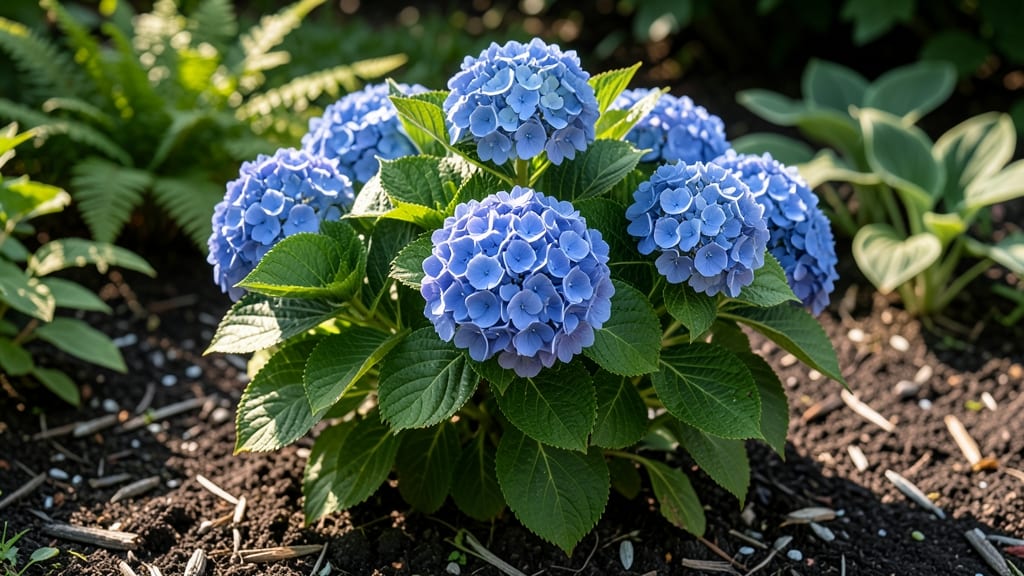
The Incrediball hydrangea bloom time is all about timing—especially when it comes to pruning, sunlight, and seasonal care. This compact, ball-shaped beauty thrives in zone 6a and bursts into color from June through September, but only if you play by its rules.
If you’re dreaming of a backyard bursting with vibrant Incrediball hydrangea blooms, timing your pruning correctly is the secret weapon—get it wrong, and you’ll miss the show entirely. The key? Pruning in late winter or early spring before new growth appears, paired with the right sunlight and soil prep.
Unlike other hydrangeas that bloom on old wood, the Incrediball blooms on new wood, meaning aggressive pruning in the right season encourages bigger, fuller clusters. But here’s the catch: too much shade or skipping fertilizer can delay or shrink those showstopping blooms you’re after.
In this guide, I’ll break down the exact pruning schedule, seasonal care tips, and regional tweaks to keep your Incrediball hydrangea blooming earlier, longer, and more dramatically than ever before.
When to prune Incrediball hydrangeas for maximum bloom time
If you’ve ever watched your Incrediball hydrangeas put on a stunning show—those bold, round blooms in shades of pink, purple, or blue—you know how magical they can be. But here’s the secret: timing your pruning is what unlocks their full potential.
Unlike other hydrangeas, Incrediballs bloom on new wood, meaning they grow their flower buds on current season’s growth. Prune at the wrong time, and you’ll end up with fewer, smaller blooms—or worse, no blooms at all.
The exact pruning window for maximum impact is late winter to early spring, right after your last frost date but before new growth starts. This ensures you’re cutting back just as the plant is waking up, giving it the best chance to produce larger, fuller blooms by summer.
In USDA Zone 6a (where Incrediballs thrive), that’s typically February to March, but always adjust based on your local frost dates.
Why does timing matter so much? Because Incrediballs are reblooming hydrangeas, meaning they can produce two bloom cycles per year—one on old wood (if you’re lucky) and another on new wood. But if you prune too early, you risk cutting off next year’s flower buds before they form.
Prune too late, and you’ll miss the chance to shape the plant and encourage vigorous new growth for bigger blooms.
Here’s what I do to stay on track: I mark my last frost date on my calendar (for me, that’s April 15 in Zone 6a) and prune 4-6 weeks before. This gives the plant enough time to recover and start growing new stems before summer heat arrives.
Pro tip: If you’re in a warmer zone (7b+), you can prune slightly later, but never after June 1, or you’ll sacrifice next year’s blooms.
One common mistake I see is pruning Incrediballs like you would a mophead or lacecap hydrangea—those bloom on old wood, so you’d wait until after flowering.
But Incrediballs are different: they’re rebloomers on new wood, so aggressive pruning in late spring or summer will leave you with bare stems and no flowers.
Think of it like giving your plant a fresh start—you’re not just tidying up, you’re encouraging a explosion of growth that will turn into those showstopping blooms.
If you’re unsure whether your hydrangea is blooming on old or new wood, look at last year’s stems: if they’re woody and brown with no buds, it’s a new-wood bloomer like Incrediball.
If they’re green and flexible with buds, it’s old wood. This simple test saves a lot of guesswork! Once you confirm, you’ll never second-guess your pruning timing again.
Another trick I swear by is light pruning in late summer—around August 1. This isn’t about shaping; it’s about deadheading spent blooms to redirect the plant’s energy into producing new flower buds for a second bloom cycle.
I use clean, sharp pruners to snip just above a pair of leaves, and within weeks, I’ll see fresh buds forming. It’s like hitting the reset button on your hydrangea’s bloom schedule!
Don’t forget to sterilize your pruners before and after each cut to prevent spreading disease. I use a 10% bleach solution or rubbing alcohol, and it’s made a huge difference in keeping my Incrediballs healthy.
Also, after pruning, I add a 2-inch layer of mulch around the base to retain moisture and protect the roots as new growth gets established. This small step has helped my hydrangeas bloom 2-3 weeks earlier than before!
Finally, pair your pruning with the right fertilizer timing for even better results. I apply a balanced 10-10-10 fertilizer right after pruning in early spring, then again after the first flush of blooms in June or July.
This gives your Incrediball the nutrients it needs to produce larger, more vibrant blooms. Avoid heavy feeding in fall or winter, as the plant is dormant and won’t use the extra nutrients.
With the right timing, your In
Step-by-step pruning guide: how to cut for biggest Incrediball hydrangea blooms
Pruning your Incrediball hydrangea isn’t just about tidying up—it’s the key to bigger, bolder blooms next season. Since this variety blooms on new wood, timing and technique matter more than you might think. Cut too early or too late, and you’ll sacrifice those showstopping clusters you’re dreaming of.
I’ve pruned Incrediball hydrangeas for years, and the difference between a well-pruned bush and one left to its own devices is night and day. The secret? A sharp, clean cut at the right time, combined with strategic shaping.
Let’s break it down into simple steps so you can transform your hydrangea from average to showstopping.
Your Foolproof Pruning Plan
- 1 Timing is everything: Prune in late winter to early spring (just as new growth begins). For USDA Zone 6a, aim for February to March—before buds swell but after the worst frost.
- 2 Gather your tools: Use clean, sharp bypass pruners (never dull shears) and disinfect with rubbing alcohol to prevent disease. A hand pruner works for small stems; loppers for thicker branches.
- 3 Remove dead/diseased wood: Snip out brown, brittle stems or those with black spots (a sign of fungus). Cut back to healthy green growth—this opens airflow and reduces pests.
- 4 Shape for fullness: Trim 1/3 of the oldest stems (the thickest ones) to 6-12 inches from the ground. This forces new, vigorous growth and prevents a leggy shape.
- 5 Encourage larger blooms: Leave 3-5 of the healthiest stems uncut—these will produce the biggest flower clusters. Avoid cutting back green stems (they’re this year’s blooms!).
- 6 Clean up and feed: Rake up all debris and apply 1 tbsp of 10-10-10 fertilizer around the base. Water deeply to help roots recover.
One common mistake I see? Pruning Incrediball hydrangeas in fall or winter—this removes next year’s blooms before they even form. Another? Using shears instead of pruners, which crushes stems and invites disease.
Stick to the steps above, and you’ll reward yourself with football-sized blooms by June or July.
Pro tip: If your hydrangea blooms sparse clusters, it might need more sunlight (aim for 4-6 hours of morning sunregular watering (deep soaks every 3-5 days), and you’ll set your plant up for years of stunning blooms. 🌸