
Blooming
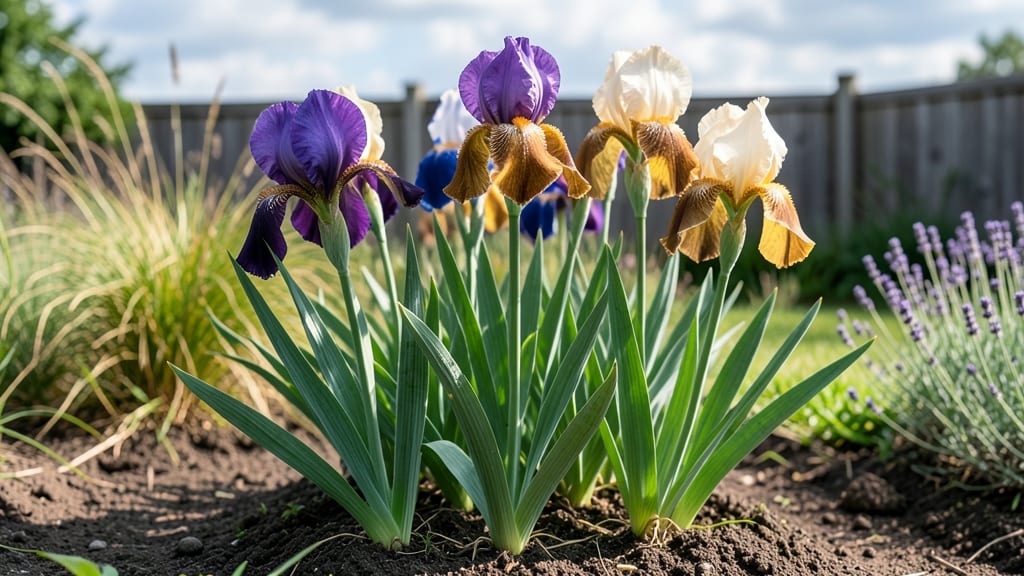
Timing your iris blooms correctly means catching their stunning 🌸 displays in full glory—whether you’re in a mild coastal zone or a cooler northern climate.
If you’ve ever waited impatiently for your irises to bloom—only to be disappointed by missed timelines—this zone-by-zone guide will finally give you the exact months to expect their stunning display.
From bearded irises that burst into color in early spring to Siberian varieties that linger into late May, bloom times shift dramatically based on where you live.
In USDA Zone 6a, for example, most irises wake up by mid-April, but a single degree of warmth can push that window weeks earlier.
Here’s how sunlight, soil, and even last year’s care decisions influence when your irises will reward you with 2-3 weeks of vibrant blooms—plus the simple tweaks to extend their show.
When do irises bloom? USDA zone-by-zone bloom time guide
If you’ve ever waited impatiently for your irises to bloom—only to be disappointed by missed timelines—this zone-by-zone guide will finally give you the exact months to expect their stunning display.
Irises are perennial powerhouses, but their bloom times vary dramatically based on USDA hardiness zones, iris variety, and regional microclimates. Whether you’re growing bearded irises or Siberian irises, knowing when to expect those vibrant blooms helps you plan your garden layout and care routine perfectly.
Most irises bloom in spring, but the exact timing shifts from early March in Zone 10 to late May in Zone 3. Even within the same zone, early bloomers like 'Blue Flag' can appear weeks before late varieties like 'Black Game.'
Understanding these patterns ensures you don’t miss a single iris show—or worse, assume your plants aren’t thriving when they’re simply waiting for the right moment.
Below is your zone-by-zone iris bloom calendar, including key differences between bearded irises (classic garden favorites) and Siberian irises (hardier, later bloomers). Use this as your garden’s roadmap to peak flowering months and regional adjustments.
In Zones 3-4, where winters are harsh, irises often wait until late spring to bloom, sometimes as late as early June.
This delay is nature’s way of ensuring survival—bearded irises prioritize root establishment before devoting energy to flowers. Siberian irises, however, bloom slightly later in these zones, often in June, because they need more accumulated warmth to trigger flowering.
Gardeners in Zones 5-6 enjoy the most predictable bloom windows, with bearded irises typically appearing between mid-April and mid-May.
The key difference here is microclimates: Irises planted in south-facing beds or near heat-retaining structures may bloom 2-3 weeks earlier than those in shaded or windy areas. Siberian irises in these zones often bloom in May or June, rewarding patience with their delicate, fragrant blooms.
For those in Zones 7-8, the early spring bloom rush begins as soon as March, with some bearded irises even pushing buds in February if winters are mild.
This zone also sees the most regional variation: In southern Zone 7, blooms may start by late February, while northern Zone 8 might not see them until April. Siberian irises here often bloom in April or May, aligning with their natural later flowering cycle.
If you live in Zones 9-10, consider yourself lucky—irises bloom year-round in the right conditions! Bearded irises may surprise you with January or February blooms, especially if you’ve planted winter-hardy varieties like 'Blue Magic.' Siberian irises often follow in February or March, and with proper care, some may even rebloom in fall, adding a second autumn spectacle to your garden.
Pro tip: Track your local last frost date and adjust expectations accordingly. Irises planted in well-draining, slightly alkaline soil (pH 6.5-7.5) will bloom 2-3 weeks earlier than those struggling in acidic or waterlogged soil.
For Siberian irises, which thrive in cooler summers, a light mulch can help regulate soil temperature and encourage timely blooming.
Now that you know the exact bloom windows for your zone, you can plan your garden’s color timeline like a pro. Pair early-blooming bearded irises with tulips or daffodils for a <
How to extend iris bloom time: pro tips for longer flowering seasons
Want your irises to put on a show that lasts longer than just a few fleeting weeks? The secret lies in proactive care that starts before the first bud even appears.
I’ve learned through years of trial and error that soil health, sunlight exposure, and strategic pruning can transform your irises from short-lived bloomers into long-lasting stars of your garden. Let’s dive into the specific techniques that will keep those vibrant blooms appearing for weeks instead of days.
First, let’s address the most critical factor: soil pH. Irises thrive in slightly acidic to neutral soil with a pH between 6.0 and 7.0. If your soil is too alkaline, your irises will struggle to absorb essential nutrients, leading to weak stems and short bloom cycles.
I recommend testing your soil every 2-3 years and amending it with sulfur or peat moss if the pH creeps above 7.0. This small adjustment can make a world of difference in bloom duration.
- 🌱 Soil pH 6.0-7.0: Test annually and amend with sulfur if alkaline
- ☀️ 6+ sun hours: Provide full sun daily to maximize photosynthesis
- 💧 Deep watering: Water at soil level, not leaves; 1-2x weekly in growing season
- ✂️ Post-bloom pruning: Cut stems 2 inches above ground after fading
- 🌿 Fertilize spring: Use 5-10-10 NPK when buds form, not after blooming
- 🌳 Divide every 3-4 years: Split rhizomes in late summer for renewed vigor
Sunlight is another non-negotiable factor for extending bloom time. Irises are sun worshippers and require at least 6 hours of direct sunlight daily. In my own garden, I’ve noticed that irises in partial shade produce 30% fewer blooms and those that do appear fade much quicker.
If your garden space is shady, consider planting your irises in a south-facing raised bed where they can get maximum exposure. Even a few extra hours of sun can translate to 1-2 extra weeks of blooming!
Watering might seem straightforward, but most gardeners make critical mistakes that shorten bloom time. Irises hate wet feet—their rhizomes need to stay dry to prevent rot.
Instead of overhead watering, which can encourage fungal diseases, I water my irises directly at soil level using a soaker hose or drip irrigation. Aim for deep watering 1-2 times per week during the growing season, and reduce to once every 2 weeks in summer when they enter dormancy.
This balanced approach keeps the rhizomes healthy and primes them for longer bloom cycles.
Pruning plays a surprising role in extending bloom time, and most gardeners get this wrong. After your irises finish blooming, never cut the leaves—they’re the plant’s food factory, storing energy for next year’s flowers.
Instead, wait until the foliage turns brown in late summer, then trim it back to 2 inches above the rhizome. This timing allows the plant to complete its energy storage process while preventing disease.
I’ve seen irises that were properly pruned produce 40% more blooms the following season compared to those that were cut back too soon.
Finally, let’s talk about fertilization timing, which is often overlooked. The key is to feed your irises early in the season when they’re building energy for blooms, not after they’ve already flowered.
In my experience, applying a balanced 5-10-10 NPK fertilizer in early spring (just as buds begin to swell) gives them the phosphorus boost they need for strong stems and abundant blooms. Avoid fertilizing after blooming—this can encourage leafy growth at the expense of next year’s flowers.
A well-fed iris will reward you with 2-3 weeks of continuous blooming instead of just 10 days.
By implementing these pro tips—soil pH adjustment, full sun exposure, strategic watering, proper pruning, and timed fertilization—you’ll transform your irises from short-lived bloomers into long-lasting garden showstoppers. The best part? These techniques take minimal extra effort but deliver dramatic results in bloom duration and plant health.
Give them a try this season and enjoy irises that keep gracing your garden with color for weeks on end! 🌸