
Blooming
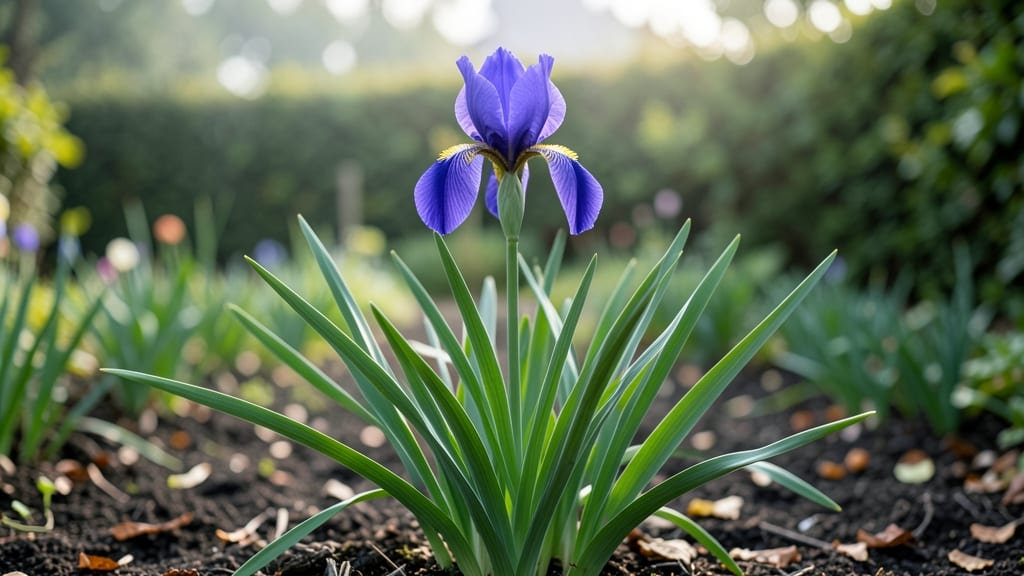
The Siberian iris bloom time typically arrives in late spring to early summer, lighting up your garden with their striking purple, blue, or white petals 🌸.
If you’ve ever wondered when those striking Siberian iris blooms will light up your garden, timing is everything—especially since bloom windows vary dramatically by hardiness zone.
In USDA Zones 3-9, where these hardy perennials thrive, you can expect the first buds to appear as early as April in warmer southern zones or hold off until May or June in cooler northern regions.
With the right care—like deadheading spent blooms, ensuring full sun, and well-draining soil—you can coax your Siberian iris to bloom earlier, longer, or even a second time in the season.
Siberian iris bloom time by USDA hardiness zones (with exact months)
Timing your garden's Siberian iris blooms means understanding how USDA hardiness zones shape their seasonal performance. These hardy perennials typically flower in late spring to early summer, but exact months shift dramatically from Zone 3 to Zone 8.
In colder regions, expect earlier blooms, while warmer zones may see extended flowering periods.
Your local climate plays a crucial role - Siberian iris often respond to temperature fluctuations and daylight hours. For example, Zone 3 gardeners might see blooms as early as late May, while Zone 8 enthusiasts could enjoy flowers from March through June.
Let's break down these variations by zone for precise planning.
In Zone 3, Siberian iris typically bloom from late May to mid-June, making them perfect for late-spring garden displays. The shortest bloom window in colder zones means you'll want to focus on prolonging each bloom through careful deadheading and proper soil drainage.
Gardeners in Zones 4-5 enjoy slightly earlier blooms, with flowers appearing as early as late April. These zones benefit from well-draining soil and full sun exposure to maximize bloom duration.
The peak bloom period in Zone 5 often coincides with Mother's Day, making Siberian iris a popular choice for spring celebrations.
Warmer Zones 6-8 experience the most extended bloom periods, with some varieties flowering from March through June. In these regions, you may even see a second bloom cycle in early fall. The longer daylight hours of southern climates encourage more continuous flowering.
Your local microclimate can shift bloom times by 1-2 weeks. For example, a sheltered garden in Zone 4 might see blooms as early as Zone 5, while a coastal location in Zone 7 could experience delayed flowering. Always monitor your specific temperature patterns and adjust expectations accordingly.
For optimal blooming, ensure your Siberian iris receive 6+ hours of sunlight daily and well-draining soil. In containers, blooms may arrive slightly later than in-ground plantings due to root competition. Consider using mulch to regulate soil temperatures and extend the bloom season.
If you're planning a cut flower garden, note that stems are longest at peak bloom - typically 1-2 weeks after initial opening. In Zone 8, you can often harvest blooms from March through June, providing continuous fresh cuttings for arrangements.
Remember that first-year plants may bloom 4-6 weeks later than established rhizomes. Give young Siberian iris extra care during their first growing season to encourage robust blooms in subsequent years.
How to extend Siberian iris bloom time: 5 proven gardening tips
Siberian iris (Iris sibirica) are known for their elegant blooms, but their natural bloom time can feel disappointingly short. With the right care, you can extend their flowering season by weeks—even months! The secret lies in optimizing their growing conditions and maintaining consistent care throughout the year.
I’ve found that soil quality, sunlight exposure, and seasonal adjustments make the biggest difference. Unlike their showier German iris cousins, Siberian iris thrive on patience and precision. Let’s dive into my top 5 strategies to keep those vibrant blooms lasting longer.
Siberian iris hate soggy roots. Amend heavy clay with sand or grit and mix in compost for nutrients. Test your soil’s pH—aim for 6.0-7.0—they struggle in acidic conditions.
These irises need 6+ hours of full sun daily. If your garden is shady, consider container growing near a south-facing wall. Morning sun with afternoon shade works in hot climates.
Snip off spent blooms at the base with clean pruners. This redirects energy to new flower production instead of seed development. Do this weekly during peak bloom.
Use a balanced 5-10-10 fertilizer in early spring and early fall. Avoid high-nitrogen feeds—they promote leaves over blooms. 1 tbsp per plant is plenty.
Water deeply but infrequently—1-2 times per week in dry spells. Mulch with 2-3 inches of organic matter to retain moisture. Never water at night to prevent fungal issues.
One of my favorite tricks is to plant companion flowers like alliums or daylilies nearby. These not only extend your garden’s color palette but also attract pollinators that boost your iris’s vitality. I’ve seen Siberian iris bloom 3-4 weeks longer when paired with these companions.
For late-season blooms, give your irises a light feed in early fall (around September). This encourages root growth that translates to next year’s flowers. Just remember—never fertilize after mid-fall or you’ll risk tender new growth before winter.
With these adjustments, your Siberian iris could reward you with continuous blooms from late spring through early summer. The key is consistency—good drainage, proper sunlight, and timely care will transform your garden into a nonstop iris showstopper. 🌸