
Blooming
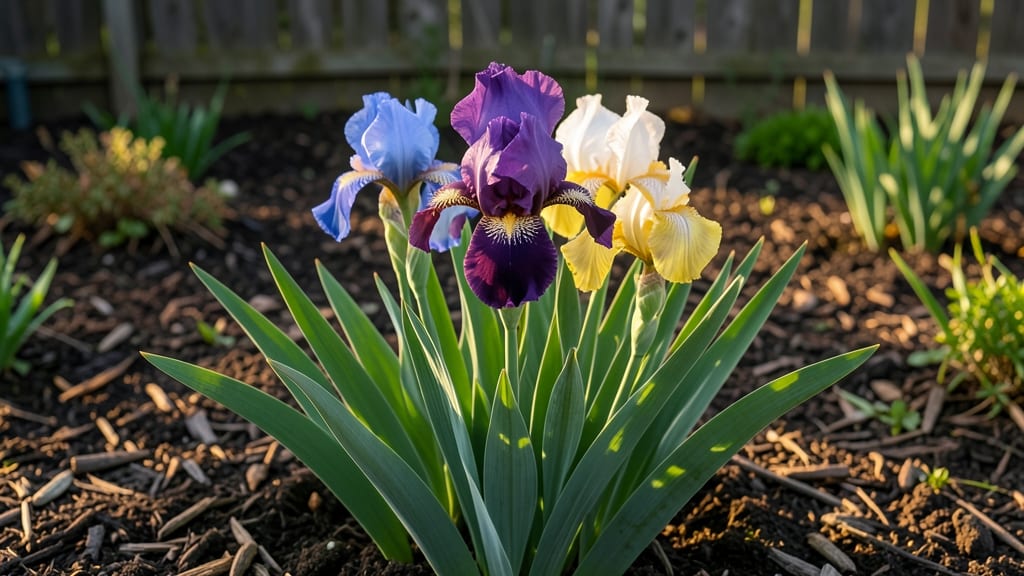
The iris flower bloom time arrives like clockwork—late spring to early summer, but the exact timing depends on whether you grow bearded, Siberian, or Louisiana varieties. 🌸 I’ve tracked my own iris blooms for years, and the difference between a cool April and a hot May start can shift their appearance by weeks.
The key isn’t just the calendar but your zone and how you prep the soil over winter.
Bearded iris (the classic purple-and-yellow showstoppers) typically bloom May to June in Zones 3-8, while Siberian iris stretch their show from late May to July, thriving in cooler climates. Louisiana iris, though, love heat and bloom June through August—perfect for southern gardeners.
The secret to consistent blooming? Dividing clumps every 3-4 years and fertilizing in early spring with low-nitrogen, high-phosphorus food.
You’ll know you’ve nailed it when your iris send up velvety sword-like leaves in early spring, followed by those dramatic blooms that last 2-3 weeks per flush. Some varieties even rebloom in fall with proper care—just deadhead spent blooms and keep the soil moist but not soggy.
The payoff? A garden that goes from sleepy to showstopping in just a few weeks.
For late bloomers, try planting in full sun with afternoon shade—it delays heat stress. And if your iris skip blooming? Check your soil pH (they prefer 6.0-7.0) and whether they’re getting enough sunlight. With the right conditions, your iris will deliver reliable, jaw-dropping blooms year after year.
📚 In This Guide
- What you need
- Instructions
- Tips and common mistakes
- Wrapping up and next steps
What you need
- ● Iris rhizomes: Healthy, disease-free rhizomes (choose varieties suited to your USDA Hardiness Zone—e.g., Iris germanica for Zones 3-9, Iris sibirica for Zones 3-7). Quantity: 3–5 rhizomes per clump for optimal blooms.
- ○ Well-draining soil: Sandy loam or a mix of garden soil + perlite/coarse sand (aim for a pH of 6.0–7.0). Optional: Add compost for nutrients.
- ● Sunlight: Full sun (6+ hours/day) for most varieties; Siberian irises tolerate partial shade.
- ● Watering can or hose: With a gentle spray nozzle for hydration without damaging rhizomes.
- ● Pruning shears: Sharp, clean shears for trimming spent blooms and foliage.
- ○ Mulch (optional): Organic mulch (e.g., straw or shredded bark) to retain moisture and suppress weeds.
- ○ Fertilizer (optional): Balanced fertilizer (10-10-10): Apply lightly in early spring.
- ● Phosphorus-rich fertilizer (e.g., 5-10-10): Boosts blooms; use in late winter.
- ● 🔍 Test your soil—irises hate soggy roots! Amend clay soil with sand or grit.
- ● 🌤️ Monitor sunlight: Blue flag irises (Iris versicolor) thrive in wet, shady spots.
- ● ✂️ Deadhead blooms but leave foliage until it yellows—this fuels next year’s flowers!
Understanding iris bloom cycles: when and how to time your garden
Here's how to predict—and extend—your iris blooms with precision, based on variety and your growing zone.
🌱 Step 1: Identify Your Iris Variety and Native Bloom Window
Iris bloom times vary dramatically by type. Bearded irises (the most common garden variety) typically flower in late spring, between mid-April and June, depending on your climate zone. Siberian irises bloom slightly later, often in May or June, while Louisiana irises push their color forward into late spring to early summer. Check your iris tags or consult a regional iris society guide—this is your starting point.
Here's the thing: your local climate shifts bloom windows by 2-4 weeks. For example, if you're in Zone 5, expect bearded irises to bloom around May 15, while in Zone 8, they may flower as early as March 15. Write down your zone number and cross-reference it with a trusted iris bloom calendar to narrow your expectations.
☀️ Step 2: Adjust for Your Microclimate and Sun Exposure
Even within the same zone, your iris's exact bloom time depends on sunlight and temperature. Irises need full sun (6+ hours daily) to develop strong rhizomes and trigger blooming. If your garden receives only 4-6 hours of sun, expect blooms to arrive 1-2 weeks later than the average for your zone.
Watch for consistent daytime temperatures above 50°F. Irises won't bloom until the ground warms—this is why Zone 7 gardens might see late April blooms while nearby Zone 6 gardens wait until May. Place a soil thermometer 2 inches deep near your irises in early spring. When it hits 55°F consistently, that's your cue to start monitoring for buds.
💧 Step 3: Time Watering to Encourage Strong Blooms
Irises need deep watering every 7-10 days once buds form, but too much moisture delays blooming. Water only when the top 2 inches of soil feel dry—this prevents rhizomes from rotting while still providing enough hydration for flower development. Overwatering in early spring can push bloom times back by 10 days or more.
I know it seems counterintuitive, but reduce watering in late winter if your area gets heavy rain. Damp soil can trigger premature leaf growth at the expense of flower buds. Once buds appear (usually 4-6 weeks before blooming), increase water slightly to support stem development—just don't let the soil stay soggy.
✂️ Step 4: Prune and Fertilize for Next Year's Bloom Time
After blooming, wait until foliage turns completely brown before cutting back—this ensures the rhizomes store enough energy for next year's flowers. If you prune too early, you'll delay or weaken next season's blooms by 2-3 weeks. Use clean, sharp shears to cut leaves 2 inches above the rhizome, leaving no stubble.
Apply a low-nitrogen, high-phosphorus fertilizer (like 5-10-10) in early fall to encourage strong root development. This is the secret to getting irises to bloom earlier the following year. Avoid high-nitrogen fertilizers—they promote leaf growth at the expense of flowers, pushing bloom times back by 1-2 weeks.
⏰ Step 5: Track and Adjust Bloom Times Yearly
Keep a simple garden journal noting when buds appear, when flowers open fully, and when foliage browns. Over 3 years, you'll spot patterns—like how your irises bloom 2 weeks earlier after a mild winter or 1 week later after a wet spring. Use this data to predict future bloom windows and make adjustments like moving plants to sunnier spots or adjusting watering schedules.
Real talk: if your irises aren't blooming when expected, check for overcrowding (dig up and divide rhizomes every 3-4 years) or poor drainage (irises hate soggy roots). A quick soil test can also reveal nutrient deficiencies—like too much nitrogen—that might be delaying blooms. Small tweaks here can shift your bloom window by 10 days or more in just one season.
Tips & tricks for perfect iris bloom timing
These precision strategies will help you fine-tune your iris blooms to match your exact growing conditions.
Variety-Specific Planning: The 4-6 week window before blooming is your critical observation period for all iris types. For bearded irises, start monitoring in late March (Zone 8) to early April (Zone 5)—this is when buds typically form. Siberian and Louisiana varieties need an extra 7-10 days of warmth before showing buds, so begin checking a week later in cooler zones. I've found that marking your calendar with these variety-specific windows prevents missed opportunities to adjust watering or sunlight.
Soil Temperature Secret: The 55°F soil temperature threshold is non-negotiable for bud formation. Invest in a soil thermometer and check it weekly starting in February. In my Zone 6 garden, we often see false starts when temperatures dip below 50°F—buds appear but then wither. The fix? Wait until consistent 55°F readings for at least 3 consecutive days before expecting reliable bud development. This patience pays off with stronger blooms.
Sunlight Optimization: That 6+ hours of daily sunlight isn't just about quantity—it's about quality. Irises need morning sun (6am-12pm) for energy production and afternoon shade (after 2pm) to prevent stress in hot climates. I've seen gardens with 8 hours of midday sun but only 2 hours of morning light produce blooms that arrive 2 weeks late. Position your irises to capture those critical morning rays first.
Fertilization Timing: The early fall application of low-nitrogen, high-phosphorus fertilizer (like 5-10-10) is your secret weapon for next year's blooms. But here's what nobody tells you—apply it when daytime temperatures consistently stay below 80°F. In my experience, fertilizing during summer heat (above 85°F) can burn rhizomes and actually delay blooming by up to 3 weeks the following season. Cool evenings are ideal for this step.
Pro Tips for Iris Flower Bloom Time
- These precision strategies will help you fine-tune your iris blooms to match your exact growing conditions.
- Variety-Specific Planning: The 4-6 week window before blooming is your critical observation period for all iris types...
- Soil Temperature Secret: The 55°F soil temperature threshold is non-negotiable for bud formation. Invest in a soil th...
Frequently asked questions
Got questions about when your iris blooms will light up your garden? Here are some of the most common queries—and their answers—to help you plan like a pro!
When do iris flowers typically bloom?
Most iris varieties bloom in late winter to early spring (February–April), but timing varies by type. Bearded irises often peak in April, while siberian irises may bloom earlier (March). Dutch irises are early risers (March–May), and Louisiana irises shine in summer (June–August). Check your climate zone for exact dates!
Do iris flowers bloom at the same time every year?
With proper care, irises usually bloom within a 1–2 week window yearly. However, factors like weather shifts (late frost, drought), poor soil, or overcrowding can delay or disrupt blooming. Pro tip: Deadhead spent blooms and fertilize in fall to encourage consistency!
Why aren’t my iris flowers blooming this year?
No blooms? Don’t panic! Common culprits include:
- Insufficient sunlight (irises need 6+ hours of sun daily).
- Over-fertilizing with nitrogen (promotes leaves, not flowers). Use a low-nitrogen, high-phosphorus fertilizer instead.
- Old rhizomes (dig up and divide clumps every 3–4 years).
- Stress from extreme heat/drought.
Try trimming leaves by ⅓ in early summer to redirect energy to blooms next season.
Can I force iris flowers to bloom earlier or later?
While you can’t force irises to bloom on a strict schedule, you can influence timing slightly:
- For earlier blooms: Plant in fall (rhizomes need cold stratification) and ensure well-draining soil.
- For summer blooms: Choose Louisiana or Japanese irises (naturally later bloomers).
- Avoid heavy mulch in winter—irises need cool roots to trigger blooming.
Patience is key—most irises follow their natural rhythm!
Do iris bloom times differ by climate zone?
Here’s a quick guide:
Climate Zone
Typical Bloom Window
Zones 3–5 (Cold)
April–May (later due to frost risk)
Zones 6–8 (Temperate)
March–April (peak in April)
Zones 9–11 (Warm)
February–March (some rebloom in fall)
Pro tip: In warm zones, shade cloth can help irises bloom in cooler months.
Wrapping up and next steps
Understanding the iris flower bloom time helps you plan your garden with confidence! Whether you’re in a chilly Zone 3 or a warm Zone 10, there’s an iris variety that will thrive and wow you with its vibrant colors.
From early spring’s Siberian irises to late-season Louisiana irises, timing is everything—and now, you’ve got the know-how to make it work!
Ready to transform your garden? Grab your gardening gloves, pick your favorite iris variety, and start planting! Check out our planting guide for step-by-step tips to ensure a stunning, long-lasting bloom. Happy gardening! 🌸✨