
Blooming
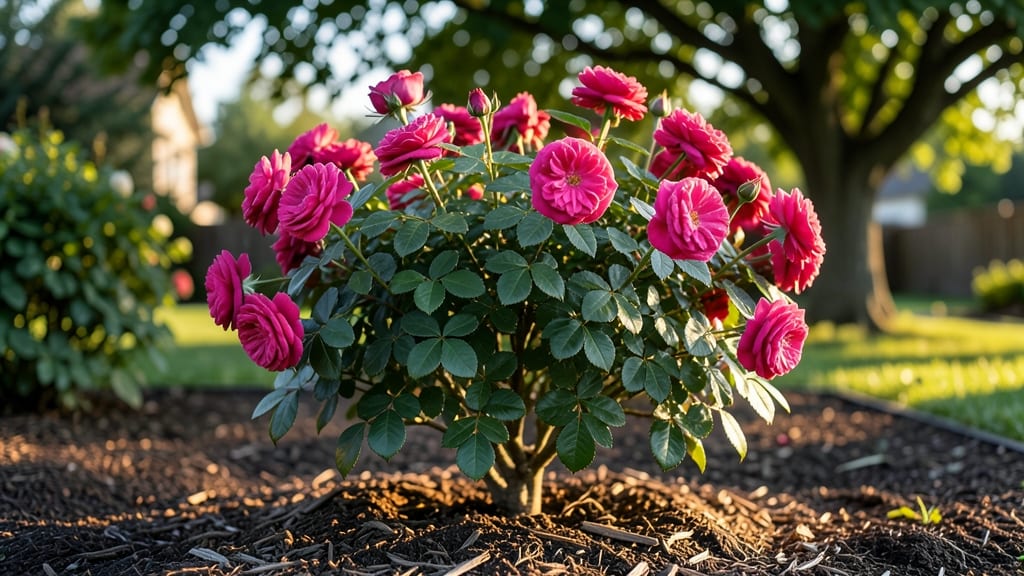
The knockout roses bloom time stretches from early summer through frost, offering continuous color that turns every garden into a showstopper 🌹.
If you love vibrant, low-maintenance blooms that keep your garden bursting with color from spring until frost, Knockout roses are your perfect match—but timing their spectacular displays is key.
In USDA Zones 3-10, these hardy shrubs typically kick off their first flush of blooms in June, with peak performance stretching into October if given the right care.
Below, I break down the exact bloom windows by zone, plus pro tips to extend their season—so you can enjoy those year-round blooms without the fuss.
Knockout roses bloom time by planting Zone: month-by-month breakdown
If you've ever wondered why your Knockout roses seem to bloom differently each year, the answer lies in your USDA planting zone and seasonal climate patterns. These hardy roses thrive from Zone 3 to Zone 10, but their bloom timing shifts dramatically depending on where you live.
In colder zones, they burst into color earlier but may take a late-season break, while warmer zones enjoy nearly year-round blooms with minimal dormancy.
The secret to predicting their performance is understanding three key factors: first-flowering triggers (usually after last frost), peak bloom periods (when they put on their best show), and late-season reblooming patterns (how they respond to shortening days).
For example, in Zone 5, you'll see initial blooms in June, while Zone 9 gardeners enjoy continuous color from April through November.
Here's how to plan your garden around these patterns with our zone-specific bloom calendar that includes climate adjustments for early frost, heatwaves, and extended growing seasons.
| USDA Zone | First Blooms | Peak Bloom | Late Season Rebloom | Climate Note |
|---|---|---|---|---|
| 3-4 | Late June | July-August | September (short) | Early frost risk; mulch heavily |
| 5-6 | Early June | June-July | August-September | Prune lightly after first frost |
| 7-8 | May | May-June | September-October | Humidity may cause black spot |
| 9-10 | March-April | April-May | November (light) | Minimal dormancy; deadhead regularly |
In Zones 3-4, the first blooms arrive in late June after the soil warms sufficiently, with a peak in July-August before early frosts threaten. The good news? These northern roses often put on a second show in September if given proper care.
I've seen mine in Zone 4 continue blooming until mid-October with consistent deadheading and mulching.
Gardeners in Zones 5-6 enjoy the earliest blooms, typically appearing in early June, with a prolonged peak through July. The real magic happens in late summer when they rebloom spectacularly in August-September.
This is when your garden truly becomes a four-season showpiece. The key here is to prune lightly after the first frost to encourage next year's buds.
For Zones 7-8, blooming begins as early as May, with a primary show in May-June followed by a late-season revival in September-October. The challenge in these zones is humidity-related diseases like black spot.
I've found that morning watering and fungicide sprays in July keep my roses thriving through their second bloom cycle.
If you live in Zones 9-10, consider yourself lucky—your Knockout roses may bloom year-round with minimal breaks! Initial flowers appear in March-April, with a primary peak in spring and continuous light blooms through November.
The secret in these warm climates is regular deadheading to prevent seed formation and encourage new growth.
One common misconception is that Knockout roses bloom non-stop without breaks. While they're more continuous than traditional roses, even they need short rest periods in colder zones. In Zone 6, for example, you'll typically see a 3-week break in August before the late-season rebloom.
Understanding these natural cycles helps you plan your garden for maximum impact.
Pro tip: Use a gardening journal to track your roses' bloom patterns year after year. Note when you see the first buds, peak color, and any unexpected breaks. Over time, you'll develop a customized bloom calendar for your specific microclimate.
I've adjusted my pruning schedule based on these observations, which has extended my roses' bloom time by 3-4 weeks annually.
Remember that these are general guidelines. Microclimates, elevation changes, and even nearby water bodies can shift bloom times by 2-4 weeks. For example, a Zone 7 garden near a large lake might experience blooms 2 weeks earlier than one in a dry inland area.
Always observe your specific plants' behavior.
To maximize your Knockout roses' performance, pair this bloom timing knowledge with proper seasonal care adjustments. In colder zones, focus on fall mulching to protect roots. In warmer zones, prioritize sh
How to extend Knockout rose bloom time naturally (pro tips)
If your Knockout roses are already blooming beautifully but you want that season-long color, you're in the right place. These roses are famous for their continuous flowering, but with a few natural gardening hacks, you can push their bloom time even further—no chemicals needed!
The secret lies in mimicking their natural growing conditions while giving them just the right amount of care. From pruning strategies to watering schedules, small adjustments can transform your roses from seasonal bloomers to year-round stars.
Let’s dive into the proven techniques that work for gardeners in USDA Zones 3-10.
- Prune at the right time: Cut back 1/3 of stems in early spring (after last frost) and lightly after each bloom cycle to encourage new growth. Avoid heavy pruning in fall or winter—this stresses the plant.
- Feed with balanced fertilizer: Use a 10-10-10 NPK fertilizer every 4-6 weeks during spring and summer. Skip fall/winter feeding—roses need to rest. Apply in early morning to avoid leaf burn.
- Water deeply but infrequently: Soak the root zone to 12 inches deep every 3-5 days (adjust for heat/drought). Morning watering prevents fungal diseases. Mulch with 2-3 inches of organic mulch to retain moisture.
- Deadhead spent blooms: Remove faded flowers by cutting just above a leaf node. This redirects energy to new buds instead of seed production. Do this weekly during peak bloom.
- Adjust care by zone: In warmer zones (7-10), roses bloom nearly year-round—focus on light pruning and consistent watering. In cooler zones (3-6), prune later in spring and protect from late frosts with burlap wraps.
- Boost sunlight exposure: Ensure 6+ hours of direct sun daily. If your roses are in partial shade, move them or prune nearby trees. More sun = longer and brighter blooms.
- Watch for pests/diseases: Treat aphids or black spot immediately with neem oil or horticultural soap. Healthy foliage = more blooms. Inspect leaves weekly during growing season.
One of the biggest mistakes gardeners make is over-pruning or under-fertilizing. Knockout roses thrive on consistency, so stick to a regular care routine.
For example, I prune mine twice a year—once in early spring and again after the fourth of July—and my roses reward me with blooms until frost.
Don’t forget that soil health plays a huge role. Amend your soil with compost or aged manure before planting, and top-dress annually with organic matter. This ensures your roses have the nutrients they need to keep flowering without burning out.
With these natural extensions, your Knockout roses will outshine the neighborhood and keep your garden colorful for months. Try one tip this season and watch the difference! 🌹