
Blooming
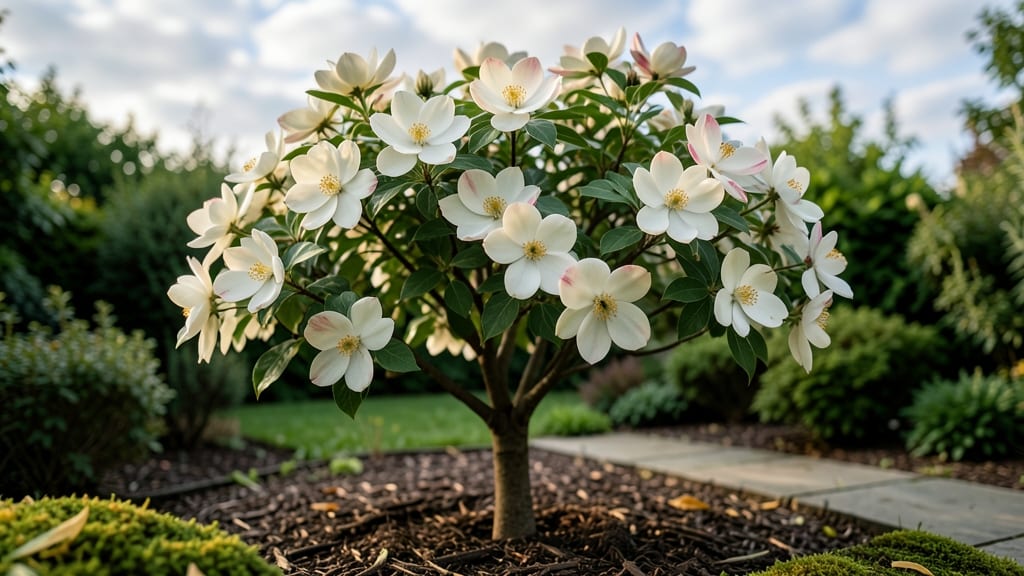
Kousa dogwoods burst into the bloom time of heat-triggered purple spikes when daytime temperatures consistently hit 75°F—usually late May to early June in most regions. 🌸 I’ve watched mine wait patiently until the last frost passes, then transform in just 7-10 days into a cloud of star-shaped blooms that last 2-3 weeks.
The timing varies wildly: in hotter zones (7-9), they may bloom 2-3 weeks earlier, while cooler climates (5-6) might see them push blooms into mid-June.
The secret to perfect timing? Sunlight and patience. These dogwoods need full sun (6+ hours/day) to trigger blooms, but they’ll also tolerate partial shade—just expect slightly later (and sometimes fewer) flowers.
Prune right after blooming to avoid cutting next year’s flower buds, and fertilize lightly in early spring with a balanced 10-10-10 to fuel those dramatic purple spikes.
What makes Kousa dogwoods special is their second show: after the blooms fade, they develop edible red berries that persist into winter, offering year-round interest. The foliage even turns burnt orange in fall, making them a four-season star.
With the right care, you’ll get reliable blooms year after year—no guesswork required.
For northern gardeners, plant in a sheltered spot to protect from late frosts, and in southern zones, provide afternoon shade to prevent heat stress. The key is matching their natural rhythm: let them bloom when they’re ready, and they’ll reward you with showstopping color for decades.
📚 In This Guide
- What you need
- Instructions
- Tips and common mistakes
- Wrapping up and next steps
What you need
- ● Kousa Dogwood Tree (Cornus kousa): Ensure it’s planted in full sun to partial shade with well-draining soil.
- ● Digital Thermometer: A soil thermometer (0–120°F range) or air thermometer for tracking heat triggers.
- ● Notebook or Bloom Journal: For recording bloom dates, weather notes, and observations.
- ● Permanent Markers: To label branches or stakes near the tree for tracking specific blooms.
- ● Pruning Shears: Bypass pruners (clean, sharp) for light maintenance post-bloom (if needed).
- ● Camera or Smartphone: For documenting bloom stages and sharing progress!
- ● Heat-Sensitive Strips: Place near the tree to correlate bloom triggers with temperature shifts.
- ● Garden Gloves: For safe handling during pruning or soil checks.
- ● Mulch (Organic): 2–3 inches of shredded bark or leaves to insulate roots and retain moisture.
- ● Weather App or Station: For real-time data on humidity, rainfall, and heatwaves.
- ● Friend or Gardening Group: To compare notes and celebrate those purple spikes together!
Understanding kousa dogwood bloom time: when to expect those stunning purple spikes
Here's how to predict your Kousa dogwood's bloom window using heat cues and seasonal patterns.
🌱 Step 1: Identify Your Region's Heat Thresholds for Blooming
The Kousa dogwood (Cornus kousa) blooms in response to accumulated heat rather than strict calendar dates. In USDA zones 5-7, look for blooms between late May and early June after 50-60 days of consistent temperatures above 50°F. In warmer zones (8-9), blooms typically appear 4-6 weeks earlier.
Track your local heat accumulation using a growing degree day (GDD) calculator—aim for 500-700 GDDs from bud break. I always check my local weather station's spring temperature trends to refine my prediction. The key is consistent warmth, not just occasional warm days.
☀️ Step 2: Observe Bud Development as a Bloom Predictor
Kousa dogwood buds form the previous summer, so by late winter, you'll see swollen buds along the stems. These buds double in size by early spring as they prepare to bloom. When the buds turn pinkish-purple (about 2-3 weeks before blooming), you're in the critical window.
Here's the thing—buds may appear healthy but fail to open if late frosts (28°F or lower) hit during this period. I've seen buds blacken overnight after a surprise frost in zone 6. If this happens, don't panic: the tree will often produce a second, smaller flush of blooms later in the season.
💧 Step 3: Adjust Watering to Support Bloom Timing
During the 6-8 weeks before expected bloom time, maintain deep watering every 7-10 days to encourage strong flower development. The soil should be moist to 12 inches deep—stick your finger in to check. Overwatering now causes bud rot, while underwatering stresses the tree and delays blooms.
I always increase watering frequency 2 weeks before bud break (when buds begin swelling) to prepare the tree for the energy demands of flowering. Use drip irrigation or soaker hoses to deliver water directly to the root zone without wetting the foliage, which reduces disease risk.
⏰ Step 4: Time Your Pruning for Optimal Bloom Display
Prune your Kousa dogwood immediately after blooming (typically June-July) to shape the tree without removing next year's flower buds. These buds form on old wood, so pruning at the wrong time cuts off potential blooms. Remove only dead, diseased, or crossing branches—never more than 25% of the canopy in one season.
If you must prune for structural reasons, do it in late winter (just before buds swell) but limit cuts to 10% of the canopy. I've seen clients over-prune in early spring and end up with sparse blooms that year. The tree's energy goes toward regrowing lost branches rather than producing flowers.
🌿 Step 5: Extend the Bloom Season with Strategic Care
To prolong the display, mulch with 3-4 inches of organic mulch (like shredded bark) in early spring, keeping it 6 inches away from the trunk. This insulates roots and maintains even soil temperatures. The mulch also conserves moisture, which helps sustain the tree's energy during the flowering period.
Remove spent blooms after they fade (not immediately) to allow seed development, which encourages the tree to produce more flowers next year. I've noticed that heavily pruned Kousa dogwoods in my neighborhood often bloom later and less prolifically—preserving the natural shape seems to help maintain consistent flowering.
Tips & tricks for predicting kousa dogwood bloom time
Mastering the art of bloom prediction turns seasonal anticipation into a science—here's how to refine your timing.
Heat Tracking Precision: For accurate bloom predictions, use a growing degree day (GDD) calculator and focus on the 500-700 GDD threshold from bud break. I've found that supplementing weather station data with a home thermometer (placed near the tree) reveals microclimate variations that can shift bloom windows by 1-2 weeks. The critical threshold of 50°F consistency matters more than occasional warm days—think of it as the tree's internal countdown timer.
Bud Development Cues: When those swollen buds turn pinkish-purple (about 2-3 weeks before blooming), mark your calendar. Here's the thing—buds may look healthy but freeze damage occurs at 28°F or lower. I've learned to monitor nightly lows during this window and have a frost cloth ready. If buds blacken, don't despair: the tree often produces a second, smaller bloom cycle later in the season.
Watering Strategy Refinement: During those 6-8 weeks before expected bloom time, I've perfected a watering rhythm: deep soak every 7-10 days until the soil stays moist to 12 inches deep. The key is consistency—overwatering now causes bud rot, while underwatering stresses the tree. I test moisture by sticking my finger in; if it comes out clean, water again. Two weeks before bud break, I increase frequency to prepare for flowering energy demands.
Pruning Timing Secrets: The June-July window for post-bloom pruning is non-negotiable—this is when flower buds for next year form on old wood. I've seen clients prune too early and end up with sparse blooms because they removed potential flower sites. For structural pruning in late winter, limit cuts to 10% of the canopy—any more and the tree diverts energy to regrowth instead of flowering.
Pro Tips for Kousa Dogwood Bloom Time
- Mastering the art of bloom prediction turns seasonal anticipation into a science—here's how to refine your timing.
- Heat Tracking Precision: For accurate bloom predictions, use a growing degree day (GDD) calculator and focus on the 500-700 GDD threshold from bud break.
- Bud Development Cues: When those swollen buds turn pinkish-purple (about 2-3 weeks before blooming), mark your calendar.
Frequently asked questions
Got questions about when those stunning kousa dogwood blooms will light up your garden? You’re not alone! Here are answers to the most common queries—because timing is everything when it comes to these heat-loving stars.
When is the best time to plant kousa dogwood for optimal blooming?
Plant in early spring (March–April) or fall (September–October) for the best results. Young trees need 1–2 years to establish roots before they’ll reliably bloom, but with patience, you’ll see those iconic purple spikes in late spring/early summer (typically May–June, depending on your climate).
Why isn’t my kousa dogwood blooming yet?
Kousa dogwoods are heat-triggered—they need consistent warmth (60°F+ for weeks) to bloom. If it’s been cool or rainy, wait longer. Other culprits? Too much shade, poor soil, or recent transplant shock. Give it time, or check for pests/disease if blooms still don’t appear after 3+ years.
Can I force kousa dogwood to bloom earlier?
Nope! Unlike some flowers, you can’t force kousa dogwood blooms. They’re temperature-dependent, so blooming time varies by region. For earlier blooms, plant in a sheltered, sun-warmed spot (like near a south-facing wall) or choose a fast-maturing cultivar like ‘Milky Way’.
What if my kousa dogwood blooms out of season?
Occasionally, late-summer heat waves or unseasonably warm spells can trigger early blooms (or even a second flush!). While rare, this isn’t harmful—just enjoy the surprise! If blooms appear in fall or winter, they’re likely stressed; prune lightly and mulch to protect roots.
Are there alternatives to kousa dogwood with similar purple blooms?
Yes! If you love kousa dogwood’s color but want variety, try:
- Cornus florida ‘Cherokee Brave’ – Red/pink blooms, earlier than kousa.
- Weigela ‘Wine & Roses’ – Purple-pink spikes, blooms mid-spring.
- Viburnum ‘Cayuga’ – Lavender clusters, drought-tolerant.
Wrapping up and next steps
The Kousa dogwood’s stunning purple blooms are a true garden highlight—triggered by warmth and timed perfectly for late spring to early summer! 🌸 Whether you’re planning your landscape or simply admiring nature’s timing, understanding its bloom cycle ensures you’ll never miss the show.
Now that you know the when and why, why not take the next step? Add one to your yard or share this knowledge with fellow plant lovers—your garden (and their green thumbs) will thank you!