
Pruning
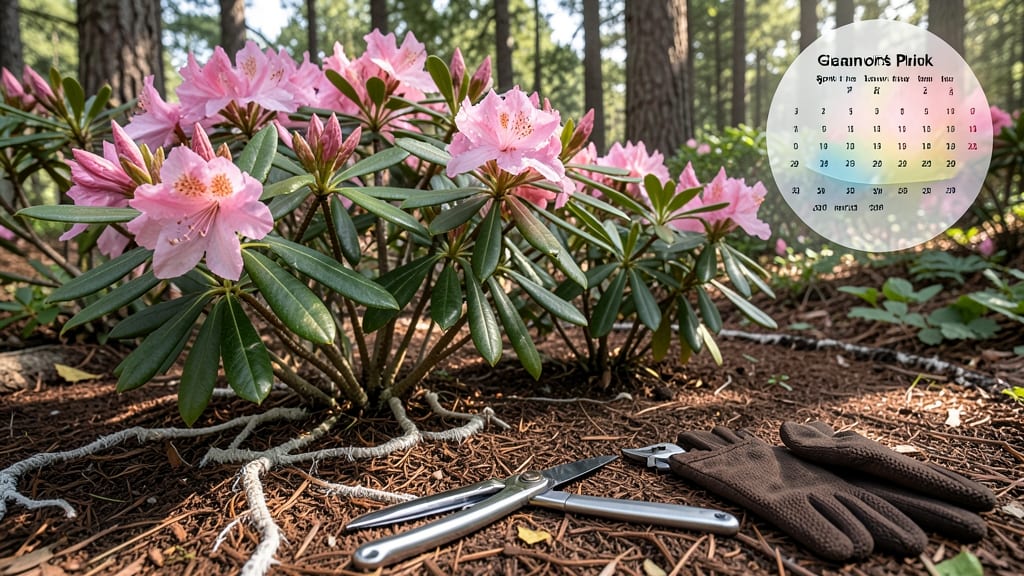
Pruning azaleas that bloom twice a year requires knowing when to trim for each flush of flowers — get it wrong, and you risk cutting off next season’s buds before they even form.
If your twice-blooming azaleas 🌸 are struggling to produce vibrant flowers year after year, timing your pruning could be the missing piece of the puzzle. A single misstep can turn a lush shrub into a sparse one, and the worst part? You might not notice until it’s too late.
Most gardeners focus on pruning after the first bloom, but the real secret lies in a two-step approach: one cut to shape up the plant and another to prep for the second flowering.
I’ll walk you through the exact months to prune in your region, how to spot over-pruning mistakes, and why late-summer cuts set you up for a stronger fall display.
By the end, you’ll know not just when to prune, but how much to trim—and how to avoid the common pitfalls that leave azaleas looking bare. Let’s get your shrubs blooming like clockwork.
Best pruning times for twice-blooming azaleas by season
Twice-blooming azaleas reward gardeners with stunning flowers in spring and fall, but their pruning schedule is far from one-size-fits-all. Unlike single-bloom varieties, these shrubs produce flowers on both old and new wood, meaning timing is critical to avoid removing next year's buds.
The key is understanding when to prune for each bloom cycle while accounting for your local climate—whether you're in a cold northern zone or a mild southern region.
Most gardeners make one of two mistakes: pruning too late in spring (risking lost summer blooms) or cutting back too aggressively in fall (weakening winter hardiness). The solution? A three-phase pruning strategy that aligns with your azalea's natural growth rhythm.
Let's break down the optimal months for each seasonal trim, including adjustments for frost-prone areas and warmer climates.
⚠️ NON-NEGOTIABLE: Always prune with clean, sharp tools and sterilize them with rubbing alcohol between cuts to prevent disease spread. Use bypass pruners for branches under ½ inch thick and loppers for thicker stems. Never use hedge trimmers—they tear rather than cleanly cut, leaving wounds that invite pests.
🌱 SUMMARY-TABLE: Azalea Pruning Calendar by Season
| Season | Pruning Window | Key Goal | Climate Notes |
|---|---|---|---|
| Late Winter | February-March (USDA Zones 6-9) January-February (Zones 10+) |
Remove dead/diseased wood and lightly shape | Avoid pruning when frost is forecasted; wait until dormant buds swell |
| Post-Spring Bloom | June-July (after first bloom fades) | Deadhead spent blooms and lightly thin new growth | In hot climates, prune in early morning to reduce stress |
| Late Summer | August-September (6-8 weeks before first frost) | Renewal pruning to encourage fall blooms | Stop pruning 4-6 weeks before expected frost |
Your late winter pruning (February-March in most regions) sets the stage for the entire year. This is when you remove dead, crossing, or weak branches while leaving the framework intact. Think of it as a health check—never remove more than 25% of the plant's volume in a single session.
In warmer climates (Zones 10+), shift this to January-February to avoid interfering with early blooms.
After your azalea's spring display fades, resist the urge to prune immediately. Instead, wait until June-July to deadhead spent blooms and lightly shape new growth. This timing ensures you don't accidentally remove next year's spring flower buds, which form on old wood.
Focus on thinning crowded branches to improve airflow—this reduces humidity-related diseases like powdery mildew, which thrives in dense azalea foliage.
The late summer pruning (August-September) is where you make your move for fall blooms. This is your chance to rejuvenate the plant by cutting back overly leggy growth while leaving some new wood to support autumn flowers.
In northern climates, aim to finish by mid-August to allow new growth to harden off before frost. Southern gardeners can extend this to early October, but stop if temperatures drop below 50°F.
Regional adjustments are everything when pruning azaleas. In Zone 5 or colder, delay all pruning until after the last frost (typically mid-May) to avoid damaging tender new growth.
Conversely, in Zone 10+, you might see year-round growth, so prune lightly every 3-4 months instead of following a strict seasonal schedule. Always monitor your plant's growth rate—if it's struggling, scale back pruning to 10% or less of the plant.
One common misconception is that more pruning equals more blooms. The opposite is often true—aggressive cuts can stress the plant, leading to fewer flowers. Instead, aim for selective pruning: remove only what's necessary to maintain shape and health.
For overgrown azaleas, spread rejuvenation cuts over 2-3 years to avoid shocking the plant. Always prune just above a leaf bud or branch junction, never leaving a stub.
Pro tip: Mark your pruning calendar with three reminders—late winter, post-spring bloom, and late summer. Use a garden journal to track your azalea's response to each pruning session. Note which cuts produced the most blooms and which seemed to stress the plant.
Over time, you'll develop a personalized pruning rhythm that maximizes your azalea's potential. Remember, the goal isn't perfection—it's healthy, vibrant growth that rewards you with two seasons of color.
Finally, never prune when your azalea is under stress, such as during drought
How to prune azaleas for two flowering seasons: step-by-step guide
Pruning twice-blooming azaleas requires precision to encourage both spring and fall blooms without sacrificing next year’s flowers. The key lies in understanding when to trim for rejuvenation cuts versus light shaping.
Unlike single-blooming varieties, these azaleas produce buds on old wood (last year’s growth) and new wood (current season’s growth), so timing matters.
Start by gathering your pruning tools: a pair of clean, sharp bypass pruners for small branches and loppers for thicker stems. Disinfect tools with rubbing alcohol to prevent spreading disease. Always prune on a dry, cloudy day to reduce stress on the plant.
If you’re unsure whether a stem is old or new wood, look for bark texture—new growth is smoother and more flexible.
Step-by-Step Pruning Guide for Twice-Blooming Azaleas
-
Step 1: Prune after the first bloom (late spring/early summer)
Cut back spent flowers and overly leggy growth to encourage fall blooms. Avoid cutting into old wood—look for stems with last year’s flower buds.
-
Step 2: Shape lightly in early fall (September)
Remove dead or crossing branches to improve airflow. Limit cuts to 10-15% of the plant’s volume to avoid stressing new fall flower buds.
-
Step 3: Rejuvenate in late winter (February)
Prune 1/3 of the oldest stems to the ground to stimulate new growth for next year’s spring blooms. Focus on thick, woody stems that no longer produce flowers.
-
Step 4: Deadhead spent fall blooms (November)
Trim wilted flowers but leave dormant buds intact. This prevents seed formation and redirects energy to root and stem growth.
Pro Tip: Always prune just above a leaf bud or side branch to encourage outward growth and maintain a rounded shape.
One of the biggest mistakes I see is over-pruning in early spring, which removes next year’s flower buds before they’ve formed. Twice-blooming azaleas are sensitive to aggressive cuts, so never trim more than 25% of the plant in a single session.
If your azalea looks bare or leggy, it’s likely been over-pruned—focus on rejuvenation cuts in winter instead.
For young azaleas (under 3 years old), minimal pruning is best—just remove dead or damaged branches and lightly shape to encourage bushier growth. Mature plants benefit from annual rejuvenation cuts to prevent woody, overgrown centers.
After pruning, apply a 2-3 inch layer of mulch around the base to retain moisture and protect roots from temperature swings.
Finally, monitor your azalea’s growth response after pruning. Healthy new growth should appear within 4-6 weeks of winter cuts, and fall buds should form by late summer. If you notice yellowing leaves or sparse blooms, adjust your pruning timing or reduce the intensity of cuts next year.
With the right timing and technique, your twice-blooming azaleas will reward you with vibrant flowers in both spring and fall for years to come. Happy pruning! 🌸✂️