
Blooming
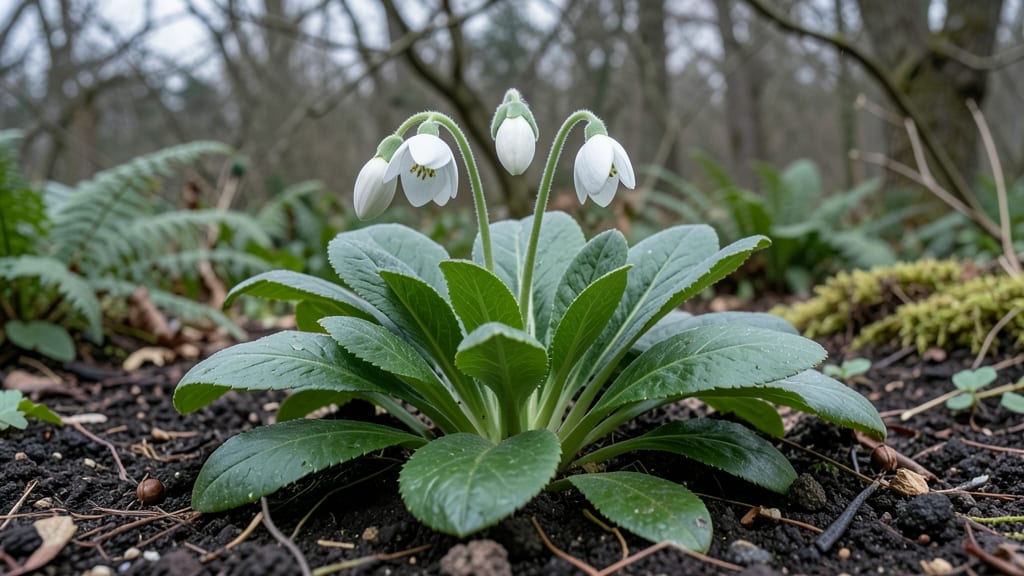
The lenten rose bloom time defies winter’s grip with its moonlit blooms that appear when most gardens sleep. 🌿 These hardy perennials bloom from late winter through early spring—often February to April—delivering color when snow still lingers.
Their unique timing makes them a standout in any garden, especially when other plants are still dormant. The secret to their early show? Lenten roses thrive in cool weather, needing only partial shade and well-drained soil.
Unlike summer-blooming roses, they don’t demand constant care—just occasional watering and protection from heavy frost. Plant them in fall for the best results, and you’ll be rewarded with weeks of delicate blooms.
What makes them special is their resilience: they push through snow, bloom in cold snaps, and even handle light freezes. The flowers last longer in cool weather, giving you a 3-4 week display that’s pure magic. No other plant offers such winter defiance.
Perfect for shady borders, woodland gardens, or as a focal point near walkways. Their evergreen foliage adds texture year-round, making them a low-maintenance star. Here’s how to keep them blooming reliably!
📚 In This Guide
- What you need
- Instructions
- Tips and common mistakes
- Wrapping up and next steps
What you need
- ● Lenten Rose Bulbs or Plants: Choose Helleborus varieties (e.g., H. niger for winter blooms or H. orientalis for spring). Buy from reputable nurseries—3–5 mature plants (or 10+ bulbs if starting from seed).
- ● Well-Draining Soil: Mix 1 part compost with 2 parts native soil or potting mix (add perlite or sand for drainage). Aim for a pH of 6.0–7.0.
- ● Organic Mulch: 2–3 inches of shredded bark, wood chips, or leaf mold to retain moisture and regulate temperature.
- ● Slow-Release Fertilizer: 10-10-10 or 5-10-10 (balanced NPK ratio), applied once in early spring.
- ● Watering Can or Hose: With a gentle spray nozzle to avoid disturbing soil.
- ● Garden Trowel or Spade: For planting and soil prep (choose stainless steel for durability).
- ● Pruning Shears: Sharp, bypass-style shears to trim dead foliage after blooming.
- ● Garden Gloves: Heavy-duty (military-grade) to protect from thorns and soil.
- ○ pH Test Kit: Optional but helpful to monitor soil acidity.
- ● Epsom Salt: 1 tbsp per gallon of water (monthly) to boost magnesium for vibrant blooms.
- ● Shade Cloth: 30–50% coverage if your Lenten Rose gets harsh afternoon sun.
- ● Decorative Stones: For a polished look around the base of plants.
- ● Compost Tea: Homemade or store-bought to enrich soil naturally.
Step-by-step guide to timing lenten rose blooms for stunning seasonal displays
Here's how I time these winter wonders for reliable, showstopping blooms every year.
🌱 Step 1: Understand the Natural Bloom Window
The lenten rose (Helleborus niger) blooms during the heart of winter—typically from late December through March—when most gardens are dormant. This unique timing is why it's called the "Christmas rose" in some regions. The key is planting in late summer to early fall so roots establish before winter dormancy begins.
I always mark my calendar for September 15th as the ideal planting date in my USDA Zone 6 garden. This gives roots 8-10 weeks to settle before frost. If you live in warmer zones (7-9), plant by mid-October to avoid summer heat stress. The plant's deep taproot needs this time to anchor before winter's chill.
☀️ Step 2: Select the Perfect Low-Light Location
Unlike spring-blooming roses, lenten roses thrive in partial to full shade—think 3-6 hours of morning sun with afternoon shade. I place mine under pine trees where other plants would struggle, yet they produce bold white blooms that stand out against winter's muted palette.
Watch for yellowing leaves in spring—this signals too much direct sun. If your garden only has full sun spots, choose a north-facing bed where afternoon intensity is reduced. The secret to their winter blooms is consistent cool roots—never let the soil temperature exceed 70°F during summer.
💧 Step 3: Master the Watering Schedule for Winter Blooms
Once established, lenten roses are drought-tolerant, but winter blooms require consistent moisture during their growing season. I water every 10-14 days in winter when natural rainfall is scarce, checking that the top 2 inches of soil remain slightly damp but never soggy.
Here's the thing—overwatering in summer causes rot before blooms even appear. I reduce watering to every 3 weeks during June-August, only returning to regular winter care when temperatures drop below 65°F. Mulch with 3 inches of shredded bark to protect roots and retain moisture.
✂️ Step 4: Prune After Blooms for Next Year's Display
Never prune lenten roses in fall—this encourages new growth that won't harden off before winter. Instead, wait until late spring (May) when new foliage emerges. I remove only dead or damaged leaves, cutting back to healthy green tissue. The plant's basal leaves (those at the ground level) are where next year's blooms form.
If you see spent flower stems, snip them at the base with clean pruners. I avoid heavy pruning—these plants bloom on old wood, so aggressive cuts reduce next winter's display. After pruning, feed with balanced 10-10-10 fertilizer to support root growth for fall planting.
⏰ Step 5: Extend the Bloom Season with Simple Tricks
For longer-lasting blooms, I place a wire mesh cage around plants in early December to protect against late-season deer browsing. The blooms last 4-6 weeks naturally, but I've extended this to 8 weeks by deadheading spent flowers every 2 weeks—this redirects energy to new buds.
Here's a pro tip: Mist blooms lightly on dry winter days to prevent dust from dulling their petals. The moonlit white flowers glow beautifully at night, making them perfect for garden lighting displays. If your winters are warmer than 50°F, move potted specimens to a cool garage (40-45°F) to preserve blooms longer.
Tips & tricks for perfect lenten rose timing
These simple strategies will help you coax the most stunning winter blooms from your lenten roses every season.
Planting Precision: The September 15th planting date works perfectly for USDA Zone 6 gardens, but timing varies by climate. In colder zones (3-5), plant by mid-August to give roots extra time to establish before frost. For coastal regions (8-10), you can extend until late October—just ensure roots have 6-8 weeks before winter chill sets in. The goal is always 8-10 weeks of root establishment before dormancy begins.
Lighting Logic: That 3-6 hours of morning sun is critical—it's the perfect balance for winter blooms. I've found that placing plants 2-3 feet away from tree trunks actually works better than directly under canopy, where light gets blocked completely. For containers, position them where they get morning sun but afternoon dappled shade. If your garden only has full sun, try a light-colored wall on the north side—it reflects just enough light to prevent leaf burn while keeping roots cool.
Watering Wisdom: The 10-14 day winter watering schedule assumes average rainfall. In drought-prone areas, check soil moisture every 7-10 days instead—stick your finger 2 inches deep. For summer droughts, water deeply every 21 days rather than the standard 3 weeks, then resume winter care when temps drop below 65°F. Mulch depth matters too: 4 inches of shredded bark works better than 3 for moisture retention in hot climates.
Pruning Payoff: That late spring (May) pruning window is non-negotiable for next year's blooms. I mark my calendar with Mother's Day weekend as my reminder—this ensures new foliage has emerged but isn't yet stressed by summer heat. For spent blooms, use sterilized pruners (wipe with rubbing alcohol) to prevent disease spread. The key is to cut just above the basal leaves where next year's buds form—never below them.
Pro Tips for Lenten Rose Bloom Time
- These simple strategies will help you coax the most stunning winter blooms from your lenten roses every season.
- Planting Precision: The September 15th planting date works perfectly for USDA Zone 6 gardens, but timing varies by climate.
- Lighting Logic: That 3-6 hours of morning sun is critical—it's the perfect balance for winter blooms.
Frequently asked questions
Got questions about the lenten rose bloom time? You’re not alone!
Whether you’re a first-time grower or a seasoned gardener, timing, care, and troubleshooting can feel tricky. Here are answers to the most common queries to help you nurture those stunning Helleborus blooms like a pro.
When is the best time to plant lenten roses for spring blooms?
The ideal planting window is fall (September–October) or early spring (March–April), before the ground freezes or warms too much. Planting in fall gives roots time to establish before winter, while spring planting ensures blooms arrive earlier. Avoid extreme heat—lenten roses thrive in cool (50–65°F) conditions.
Why aren’t my lenten roses blooming yet? Troubleshooting delayed flowers.
Don’t panic! Lenten roses often take 2–3 years to mature and bloom. Check these fixes:
- Light: They need partial to full shade (morning sun max). Too much direct sun can scorch leaves.
- Soil: Rich, well-draining, slightly acidic soil (pH 6.0–7.0) is key. Amend with compost if needed.
- Water: Keep soil consistently moist but not soggy—drought stress delays blooms.
- Patience: Some varieties (like Helleborus niger) bloom in late winter/early spring, while others wait until spring.
If established plants still skip blooms, they might need a light prune in early spring to encourage new growth.
Can I force lenten roses to bloom earlier than their natural time?
While you can’t force them like paperwhites, you can extend their season with these tricks:
- Plant container-grown lenten roses in fall—they’ll bloom 1–2 weeks earlier than garden-planted ones.
- Use mulch (straw or shredded leaves) to protect roots in winter and keep soil temps stable.
- Avoid heavy fertilizers in late summer/fall—they encourage leafy growth over flowers.
For indoor enjoyment, clip blooms and arrange in water—they’ll last 1–2 weeks in a vase!
Are there lenten rose alternatives that bloom at different times?
If you love lenten roses but want year-round color, try these shade-loving perennials with staggered bloom times:
- Winter aconite (Eranthis hyemalis) : Blooms January–March (tiny yellow flowers).
- Snowdrops (Galanthus) : December–February blooms; thrives in deep shade.
- Bleeding heart (Dicentra spectabilis) : Spring blooms (pink/white hearts); prefers partial shade.
- Heuchera (Coral Bells) : Summer foliage interest with occasional spring blooms.
Combine them with lenten roses for a non-stop spring garden!
Do lenten roses survive harsh winters? How to protect them?
Yes! Native to Europe and Asia, lenten roses are hardy to USDA Zones 3–9. For extra care:
- Apply a 3–4 inch layer of mulch (straw or leaves) after the first frost to insulate roots.
- Avoid wet mulch—it can rot stems. Use dry materials instead.
- In Zone 3 or colder, cover plants with burlap or frost cloth during extreme cold snaps (<30°F).
They’ll reward you with early spring blooms as a sign of resilience!
Wrapping up and next steps
The Lenten rose (Helleborus) is a true gem of early spring, gracing gardens with its delicate blooms just as winter loosens its grip. Whether you’re admiring their resilience in your yard or nurturing them with care, these moonlit wonders remind us that beauty thrives even in the coldest seasons.
Now that you’re armed with timing tips, care secrets, and troubleshooting tricks, why not extend their magic?
🌱 Next steps:
- Mark your calendar for late winter to early spring—the perfect window to spot (or coax!) those stunning blooms.
- Share your Lenten rose love with fellow gardeners or snap a photo of their first bloom to track progress!
- Experiment with new varieties or pair them with early spring bulbs for a showstopping display.