
Blooming
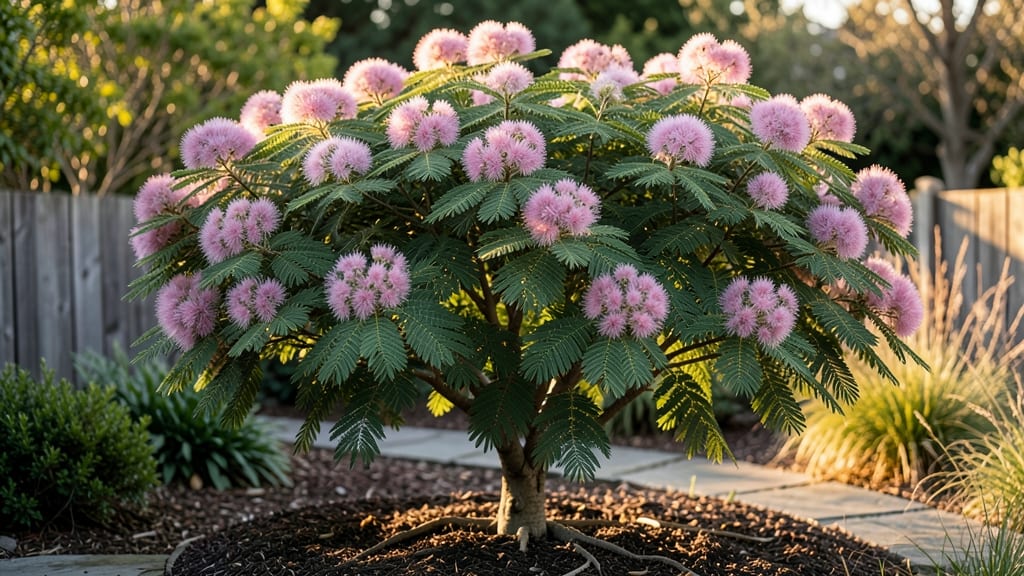
The mimosa tree bloom time depends on your variety and climate, but most burst into fuzzy pink clouds in late spring 🌸—just as the last frost passes in Zone 6.
If your mimosa tree’s delicate pink blooms vanish too soon, you’re not alone—many gardeners struggle with bloom timing, especially when it comes to reblooming varieties. Understanding the exact bloom windows and growth triggers can mean the difference between a stunning spring display and a bare-branched disappointment.
Single-bloom types like Albizia julibrissin typically flower for just 2-4 weeks in May, while reblooming cultivars may reward you with a second flush in early summer if given the right care. The key? Pruning at the right time, feeding with the right nutrients, and protecting it from late frosts.
Below, I’ll break down bloom schedules by variety, why some trees skip their second show, and the 3 simple steps to coax extra blooms—so you can enjoy that dreamy pink haze longer than a single spring weekend.
Mimosa tree bloom time by variety: single vs. reblooming cycles
The mimosa tree (Albizia julibrissin) is famous for its fluffy, pink blooms, but not all varieties bloom at the same time—or even multiple times a year. Understanding your specific mimosa type helps you set realistic expectations and care for it properly.
Some varieties like the classic 'Bountiful' offer reblooming cycles, while others like 'Summer Chocolate' have a single, dramatic spring show. Let’s break down the bloom times and what affects them.
Climate plays a huge role in bloom timing. In USDA Zones 6-9, most mimosas bloom in late spring (April-May), but cooler climates (like Zone 6) may see blooms delayed until June.
Southern gardens (Zones 8-9) often enjoy earlier blooms as early as March. Reblooming varieties, like 'Summer Chocolate', might produce secondary blooms in late summer (August-September) if given the right conditions.
Here’s a quick comparison of the most popular mimosa varieties and their bloom patterns:
If you’re in a cooler climate (Zone 6 or below), your mimosa may only bloom once a year, typically in May or June. To encourage stronger blooms, plant in a south-facing location with full sun exposure.
In warmer climates (Zones 8-10), reblooming varieties like 'Summer Chocolate' can produce secondary blooms in late summer if pruned correctly after the first flush.
Pruning is key to extending bloom time. For reblooming varieties, prune lightly after the first bloom to remove dead or weak branches but avoid heavy cuts, which can reduce flowering. Use sterilized pruners and trim just above a leaf node to encourage new growth.
In contrast, single-bloom varieties like the classic mimosa benefit from a late-winter prune to shape the tree and remove crossing branches.
Fertilizing also impacts bloom time. Apply a balanced fertilizer (10-10-10) in early spring (March) to promote healthy growth. Avoid high-nitrogen fertilizers, which encourage leafy growth at the expense of flower production.
Instead, opt for a phosphorus-rich fertilizer in late spring to support blooming. Organic options like bone meal or composted manure work well for mimosas.
Watering habits matter too. Mimosa trees are drought-tolerant once established, but consistent moisture during blooming season (spring and late summer) helps prolong flowers. Water deeply once a week during dry spells, ensuring the soil is well-draining to prevent root rot.
Mulch around the base with organic mulch (like wood chips) to retain moisture and regulate soil temperature.
Regional climate quirks can shift bloom times. In humid southern climates, mimosas may bloom earlier but produce fewer flowers due to heat stress. In drier western regions, blooms might be delayed until June or July when temperatures cool slightly.
Pay attention to your local last frost date—most mimosas need warm soil temperatures (60°F+) to trigger blooming.
To maximize bloom time, combine these strategies: prune after the first bloom, fertilize in spring, and water consistently. Reblooming varieties like 'Bountiful' can reward you with two bloom cycles per year if given the right care.
Even single-bloom mimosas will put on a spectacular spring show with proper attention to sunlight, soil, and pruning.
🌸
Why your mimosa tree isn’t reblooming (and how to fix it)
If your mimosa tree (Albizia julibrissin) puts on a spectacular spring show but then fades into silence, you’re likely dealing with a common issue: failed reblooming. Most varieties produce one main bloom cycle in late spring, but some—like ‘Summer Chocolate’—should reward you with secondary blooms.
When this doesn’t happen, it’s usually due to stress or improper care during critical growth stages.
Reblooming mimosa trees rely on balanced energy reserves, which means they need consistent nutrients, water, and sunlight year-round. Skipping any of these can trigger the tree to focus on survival rather than producing flowers.
The good news? With targeted fixes, you can often coax your mimosa back into bloom for next season.
Mimosa trees bloom on new wood, meaning last year’s growth must survive winter to produce flowers. If your tree loses branches in winter or gets over-pruned in late winter, it has zero energy left for reblooming. Wait until late winter (after last frost) to prune—never in fall or early spring!
Let’s start with the most common culprits: improper pruning and nutrient deficiencies. Many gardeners accidentally remove flowering branches by pruning too late or too aggressively.
Mimosa trees bloom on current season’s growth, so if you cut back hard in fall or early spring, you’re essentially sacrificing next year’s blooms.
Another major roadblock is water stress, especially during summer droughts or winter freezes. Mimosa trees are drought-tolerant once established, but deep, infrequent watering is key. If your tree struggles with root rot (from overwatering) or drought shock (from underwatering), it won’t have the energy to rebloom.
Aim for 1-2 deep waterings per week in summer and reduce in winter unless temperatures drop below 20°F.
Light exposure plays a surprising role too. While mimosa trees thrive in full sun, partial shade (especially from nearby trees) can weaken blooms. If your tree is in a shady spot or competing with aggressive roots, it may not produce flowers at all.
Move potted mimosa trees to sunnier locations or thin nearby foliage to improve airflow and light penetration.
To fix these issues, start with a spring fertilization plan using a balanced 10-10-10 fertilizer in early March. Follow up with mulch around the base to retain moisture and protect roots.
For pruning, wait until late February or March—after the last frost—and remove only dead or crossing branches. Avoid heavy pruning, as this stresses the tree and delays reblooming.