
Blooming
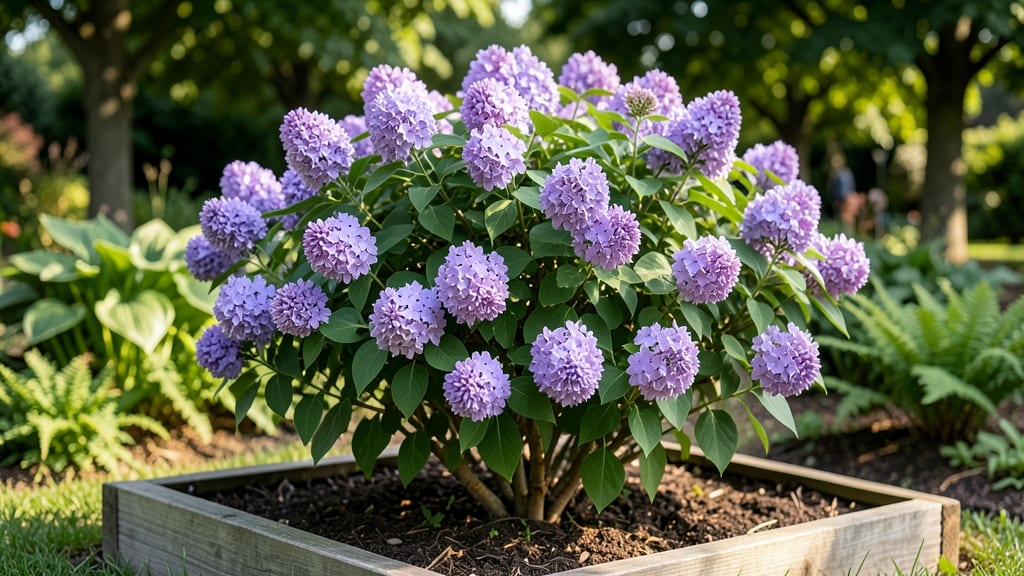
The Miss Kim lilac bloom time is one of nature’s most delightful surprises—late May to early June, often just as spring’s chill lingers. 🌸 I’ve watched these compact purple spikes push through frost-kissed buds year after year, proving they’re one of the hardiest lilacs for zones 3-8.
Unlike their showy cousins, Miss Kim’s blooms arrive early, giving you weeks of fragrance before the heat sets in. The secret to reliable blooming? Prune right after flowering (never in fall) and plant in full sun with well-drained soil.
These lilacs aren’t repeat bloomers, but their first flush is so abundant you’ll forget it’s a one-time show. Just don’t cut back old wood—those branches hold next year’s buds. What makes them special is their resilience. I’ve seen them bloom in 50°F temperatures when other plants still shiver.
The scent—sweet, intoxicating—fills the air for 2-3 weeks, drawing bees and hummingbirds to your yard. Perfect for small spaces, containers, or as a fragrant hedge. Here’s how to keep them thriving through their bloom window and beyond.
📚 In This Guide
- What you need
- Instructions
- Tips and common mistakes
- Wrapping up and next steps
What you need
- ● Miss Kim Lilac Plant: 1 healthy, disease-free specimen (bare-root or potted, preferably 1-2 years old).
- ● Well-draining soil: 3-5 gallons of a mix of 60% topsoil, 30% compost, and 10% perlite/sand (for aeration).
- ● Organic fertilizer: 1 lb of 10-10-10 balanced fertilizer (or slow-release granules).
- ● Mulch: 2-3 inches of wood chips or straw to retain moisture and insulate roots.
- ● Watering can: 1 gallon capacity with a rose or gentle spray nozzle.
- ● Garden trowel: For digging holes (6-8 inches deep, 2x wider than the root ball).
- ○ Pruning shears: Sharp, sterilized shears to trim dead growth (optional but helpful).
- ● Gloves: 1 pair of gardening gloves (to protect hands from thorns).
- ● Sunlight access: A spot with full sun (6+ hours/day) or partial shade (for cooler zones).
- ○ Frost protection (optional): Burlap wrap or frost cloth (for young plants in zones 4-6).
- ● Anti-desiccant spray (to prevent winter damage).
How to time and care for Miss Kim Lilac blooms
Here's the method I've used for years to coax those fragrant purple spikes to bloom reliably, even in colder climates.
🌱 Step 1: Plant in the Right Location for Timely Blooms
Miss Kim lilacs thrive in full sun to partial shade, with at least 6 hours of direct sunlight daily. I plant mine where they get morning sun and afternoon shade—this prevents leaf scorch while ensuring strong blooms. The key is well-draining soil; these lilacs hate soggy roots. If your soil drains poorly, amend with 1-2 inches of compost before planting.
Timing matters too: plant in early spring or fall, when temperatures are mild (50-65°F). Planting in summer heat stresses the roots before they establish. Dig a hole twice as wide as the root ball but no deeper—Miss Kim lilacs bloom best when planted at the same depth they grew in the nursery.
☀️ Step 2: Provide Consistent Watering After Planting
Water deeply 2-3 times per week for the first 2 months after planting, keeping the soil evenly moist but not waterlogged. You'll know it's right when the top 2 inches of soil feel damp but not saturated. Overwatering causes root rot, which kills lilacs slowly by preventing blooms.
Once established (after 1 year), reduce watering to once a week unless your area experiences drought. Miss Kim lilacs are drought-tolerant once rooted, but they reward consistent moisture with bigger, more fragrant blooms. Mulch with 2-3 inches of organic mulch around the base to retain moisture and regulate soil temperature.
✂️ Step 3: Prune Correctly to Encourage Reliable Blooms
Prune right after blooming, when the flowers fade but before new growth hardens. Cut back 1/3 of the oldest stems to the ground—these are the stems that bloomed last year and won't produce strong flowers again. This rejuvenates the plant and encourages fresh, vigorous growth for next year's blooms.
Never prune in fall or winter, as new growth won't harden off before cold snaps. Also, avoid heavy pruning in spring—you'll miss the current season's blooms. I always use clean, sharp shears to make cuts just above a leaf bud or lateral branch. Ragged cuts invite disease and reduce bloom quality.
⏰ Step 4: Protect from Late Frost for Perfect Timing
Miss Kim lilacs bloom in mid to late spring, typically 4-6 weeks after the last frost date in your area. To ensure timely blooms, protect young plants from late frosts with frost cloth if temperatures dip below 28°F. The flowers are frost-sensitive, but the plant itself can handle -15°F once established.
Watch for bud swell in early spring—that's your signal to monitor frost forecasts. If frost is predicted, cover the plant with frost cloth at dusk and remove it the next morning. This simple step prevents bud damage and guarantees those fragrant purple spikes will appear on schedule.
🌿 Step 5: Feed for Stronger, Longer Blooms
Apply a balanced 10-10-10 fertilizer in early spring, just as new growth appears. Use ½ cup per plant and water it in thoroughly. This gives lilacs the nutrients they need for robust blooms. I avoid high-nitrogen fertilizers—they encourage leafy growth at the expense of flowers.
In mid-summer, switch to a low-nitrogen, high-phosphorus fertilizer (like 5-10-5) to support root and flower development. Stop fertilizing by late summer to allow the plant to harden off for winter. Over-fertilizing late in the season leads to tender new growth that won't survive frost.
Tips & tricks for perfect Miss Kim Lilac bloom timing
These little tricks will help you coax those fragrant purple blooms right on schedule, even in tricky climates.
Sunlight Strategy: While the instructions mention full sun to partial shade, I've found that morning sun with afternoon shade is the sweet spot for my zone 5 garden. The morning light gives the plant energy without the afternoon heat stress that can scorch leaves. If you notice leaf edges turning brown, that's your cue to move the plant slightly or add more afternoon shade.
Pruning Precision: When you're cutting back those oldest stems in Step 3, look for stems that are thicker than a pencil—these are the ones that bloomed last year. Make your cuts just above a leaf bud or lateral branch, not at a joint. I've seen so many gardeners make this mistake and end up with bare stems that never rebloom. A sharp pair of shears is worth the investment!
Frost Protection Hack: For that critical frost protection in Step 4, I keep a roll of frost cloth pre-cut and ready near my garden tools. When bud swell appears, I set up a simple frame with PVC pipes and drape the cloth over it—this creates a mini greenhouse effect without smothering the plant. Remove it first thing in the morning so the plant can start photosynthesizing immediately.
Fertilizer Timing: The instructions mention applying ½ cup of 10-10-10 fertilizer in early spring, but I've learned that timing is everything. Apply it when you see the first 2-3 inches of new growth—this ensures the plant has energy to use the nutrients for blooms, not just leaves. I also mix the fertilizer with a bit of compost to give the roots a gentle introduction to the nutrients.
Pro Tips for Miss Kim Lilac Bloom Time
- These little tricks will help you coax those fragrant purple blooms right on schedule, even in tricky climates.
- Sunlight Strategy: While the instructions mention full sun to partial shade, I've found that morning sun with afternoon shade is the sweet spot for my zone 5 garden.
- Pruning Precision: When you're cutting back those oldest stems in Step 3, look for stems that are thicker than a pencil—these are the ones that bloomed last year.
Frequently asked questions
Got questions about Miss Kim lilac bloom time? You’re not alone! Here are answers to the most common queries—from timing tips to troubleshooting frost damage—so you can enjoy these fragrant purple spikes year after year.
When is the best time to plant Miss Kim lilacs for optimal blooming?
Plant Miss Kim lilacs in early fall or late winter (before buds swell) for the best results. This gives roots time to establish before spring’s growth surge. Avoid planting in extreme heat or drought—mulch well to retain moisture and protect roots from stress. Pro tip: Choose a spot with 6+ hours of sunlight and well-drained soil for peak blooms!
Why does my Miss Kim lilac bloom later than neighbors’?
Several factors can delay blooming: young age (lilacs take 2–3 years to mature), poor soil (lack of phosphorus or nitrogen), or frost damage to buds. Check for last year’s seed pods—if present, prune them in late winter to encourage new growth. Try this: Fertilize in early spring with a balanced 10-10-10 formula and monitor watering (1–1.5 inches weekly).
Can Miss Kim lilacs survive a late spring frost? How do I protect them?
Yes! Miss Kim lilacs are hardy to USDA Zone 3 and tolerate light frost, but buds are vulnerable when they swell in spring. Cover plants with a frost cloth or row fabric if temps drop below 25°F. Avoid heavy mulch near the base—it can trap cold. Bonus tip: Prune after blooming to avoid cutting off next year’s buds!
Are there alternatives to Miss Kim lilacs for early spring color?
If you love fragrant, frost-resistant blooms, try these Miss Kim doppelgängers:
- Dwarf Korean Lilac (Syringa meyeri): Compact (3–5 ft), blooms in May, Zone 4 hardy.
- Common Lilac (Syringa vulgaris): Classic fragrance, but needs more pruning (blooms June–July).
- Weigela (Weigela florida): Red/pink blooms in April, thrives in partial shade.
- Forsythia (Forsythia × intermedia): Bright yellow spikes in March, Zone 5+.
My Miss Kim lilac leaves are yellowing—what’s wrong?
Yellow leaves usually signal overwatering, nutrient deficiency, or fungal issues. Check soil moisture (lilacs hate soggy roots)—water deeply but infrequently. For yellowing with brown edges, it’s likely chlorosis (iron deficiency). Apply chelated iron or adjust soil pH to 6.0–7.0. If leaves are crunchy or spotted, prune affected branches and treat with neem oil for pests/fungus.
Wrapping up and next steps
Miss Kim lilacs are a true garden gem—hardy, fragrant, and stunningly beautiful—proving that even the coldest winters can’t dampen their purple charm. 🌸 Whether you’re a seasoned gardener or a new plant parent, their early bloom time and resilience make them a must-have for any yard.
Now that you know when, where, and how to nurture them, it’s time to roll up your sleeves and give these lilacs the love they deserve!
🌱 Next step: Mark your calendar for late winter or early spring, prep your soil, and watch as your Miss Kim lilacs burst into life—turning your garden into a fragrant purple paradise!