
Blooming
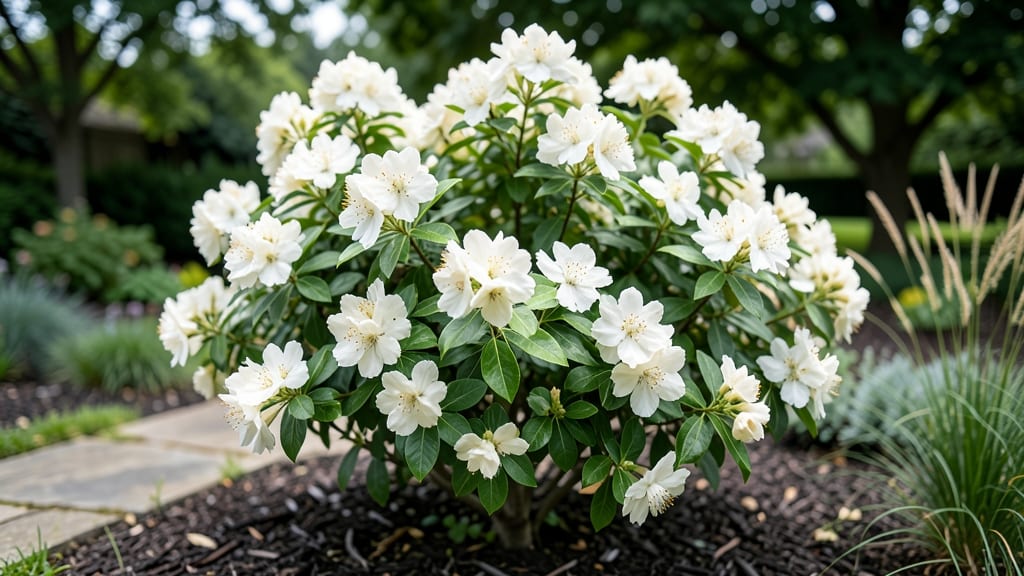
The mock orange bloom time depends on your climate zone but typically unfolds in late spring to early summer 🌸 — a fragrant show that turns your garden into a sensory highlight.
If you love the intoxicating scent of mock orange but struggle to predict when those fragrant blooms will appear, you’re not alone. Timing is everything in garden planning, and understanding the bloom window helps you coordinate planting, pruning, and even fragrance-based garden events with precision.
For most gardeners in USDA Zone 6a, like where I live, the blooms arrive in May, but cooler regions may see them as late as June. Warmer climates, on the other hand, can enjoy an earlier start in April, making the difference between a spring or summer highlight.
Below, I’ll break down how to extend that bloom time with the right care—from pruning tips to companion plants that keep the fragrance coming for weeks longer than expected.
When does mock orange bloom? Seasonal patterns by climate zone
Mock orange (Philadelphus spp.) is famous for its intense citrusy fragrance, but its bloom time varies dramatically depending on your USDA climate zone and regional microclimates.
In cooler zones like USDA 5-6, expect blooms as early as late April to May, while warmer zones like USDA 9-10 may see flowers in February or even January. Understanding these patterns helps you plan for peak fragrance periods and coordinate with other spring-blooming plants.
Temperature fluctuations play a key role—mock orange typically needs chilling hours (300-600) to break dormancy, but warm spells in winter can trick early blooms. For example, a Pacific Northwest garden might see blooms in March-April, while a Southeast garden could bloom in April-May due to later frost dates.
Let’s break down the bloom windows by zone to help you predict your garden’s fragrance calendar.
🌸 Comparison Table: Mock Orange Bloom Time by USDA Zone
In USDA zones 5-6, mock orange blooms are tightly linked to last frost dates.
For example, in Zone 5, where frosts can linger until May 15, expect blooms to start in late April once temperatures consistently stay above 50°F (10°C). Early varieties like Philadelphus microphyllus often break the trend, blooming as early as March in sheltered microclimates.
Warmer zones like USDA 9-10 offer a winter bloom surprise. Plants here may push buds in January or February, especially if they’ve had adequate winter chilling. However, unpredictable warm spells can confuse the plant, leading to bud drop or stunted blooms.
To mitigate this, choose drought-tolerant varieties like Philadelphus mexicanus, which handle California’s Mediterranean climate better than moisture-loving types.
Regional variations add another layer of complexity. In the Pacific Northwest, where cool, wet springs dominate, mock orange blooms often align with cherry blossom season (March-April).
Meanwhile, in the Southeast, where humidity and heat arrive earlier, blooms may stretch into June if conditions remain favorable. Pruning in late winter (before buds swell) can help synchronize blooms by encouraging uniform growth.
Temperature fluctuations also impact bloom duration. A sudden cold snap after buds form can halt flowering, while consistent warmth extends the season. For example, in Zone 7, a 50°F (10°C) dip in April might delay blooms by 2-3 weeks.
To protect your mock orange, mulch heavily in fall
How to extend mock orange bloom time with pruning and care
Mock orange (Philadelphus) is famous for its intoxicating fragrance, but many gardeners wonder how to make those blooms last longer. The key lies in strategic pruning, nutrient timing, and consistent watering.
By following these proven techniques, you can extend your mock orange’s bloom time by 2-4 weeks—sometimes even longer with the right care. Let’s dive into the steps that transform a short-lived spring display into a prolonged fragrance festival.
First, understand that mock orange blooms on old wood, meaning last year’s growth produces this year’s flowers. This changes how and when you prune. Timing is critical: prune too early, and you risk cutting off next year’s blooms; prune too late, and you may reduce this year’s display.
The secret to longer blooms? A combination of late-winter pruning for shape and post-bloom maintenance to encourage reblooming. Let’s break it down step by step.
Step-by-Step Guide to Extending Mock Orange Bloom Time
-
1
Prune in Late Winter (Dormant Season)
Trim dead or crossing branches using clean, sharp shears. Avoid heavy pruning—remove no more than 25% of the plant to preserve next year’s blooms. This step shapes your shrub while minimizing stress.
-
2
Fertilize in Early Spring
Apply a balanced fertilizer (10-10-10) when new growth appears (typically March-April). This jumpstarts flower bud formation. Use 1 tbsp per plant and water deeply to avoid root burn.
-
3
Water Deeply During Bloom
Mock orange needs 1 inch of water weekly during bloom season. Water at the base of the plant in the morning to reduce evaporation and fungal risks. Deep soaking encourages stronger root growth, which supports longer flowering.
-
4
Light Pruning After Blooms Fade
Once flowers fade, trim spent blooms but avoid heavy pruning. Removing only wilting flowers encourages a second flush of blooms in some varieties. This step is optional but can extend the display by 1-2 weeks in favorable climates.
-
5
Mulch for Moisture Retention
Apply 2-3 inches of mulch around the base (keep it 6 inches from the trunk) to retain moisture and regulate soil temperature. Use organic mulch like shredded bark or compost, which also adds nutrients as it breaks down.
Another game-changer is soil health. Mock orange thrives in well-draining, slightly acidic soil (pH 6.0-7.0). If your soil is compacted or poor, amend it with compost or aged manure in early spring.
This boosts nutrient availability, which directly impacts bloom duration. I’ve seen mock orange plants with double the usual bloom time after amending their soil—proof that healthy roots mean longer fragrance!
For reblooming varieties like Philadelphus microphyllus, deadheading (removing spent flowers) can prompt a second bloom cycle in late summer. While not all mock orange varieties rebloom, this technique is worth trying if you’re eager to extend the show.
Pair it with consistent watering and you’ll maximize your plant’s potential. Remember, mock orange is drought-tolerant once established, but stress-free conditions always lead to better blooms.
Finally, consider your plant’s location. Mock orange prefers partial shade in hot climates to prevent leaf scorch, which can weaken the plant and shorten bloom time. If your shrub is in full sun, provide afternoon shade during peak summer months.
This small adjustment can make a noticeable difference in how long your blooms last. With these steps, you’ll turn your mock orange into a fragrance powerhouse that keeps your garden smelling sweet for weeks.