
Blooming
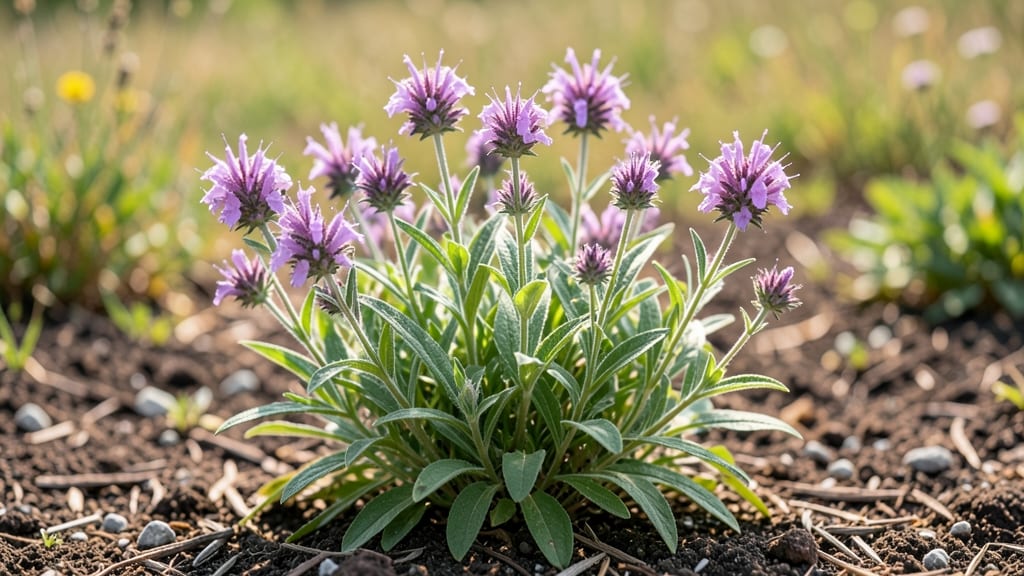
The monarda fistulosa bloom time stretches from mid-summer through early fall, with purple spikes that hummingbirds 🐝 can’t resist.
If you’ve ever wondered when those stunning purple spikes of Monarda fistulosa (bee balm) will light up your garden, timing is everything—and it starts with your USDA zone.
In cooler zones like 6a, expect blooms to kick off in late July, while warmer climates may see flowers as early as June. The key? Full sun and well-drained soil, which keeps the plant strong and ready to show off its vibrant blooms.
Below, I’ll break down exactly when to expect those first purple spikes, how to extend the season, and the simple tricks that make all the difference.
When does Monarda fistulosa bloom? USDA Zone bloom time guide
Timing your Monarda fistulosa (wild bergamot) blooms means knowing your USDA zone—this native perennial thrives across a wide range, but its purple flower spikes appear at different times depending on where you live.
Whether you're in the cooler Zone 3 or warmer Zone 9, understanding these patterns helps you plan for that mid-to-late summer spectacle that attracts hummingbirds and bees.
The key to predicting bloom time lies in your frost dates and seasonal warmth. Monarda fistulosa is a perennial that emerges early in spring but waits for consistent warmth before flowering. In colder zones, blooms arrive later, while warmer climates see earlier—and sometimes prolonged—flowering.
Let’s break down exactly when to expect those vibrant purple blooms in each zone, so you can time your garden prep perfectly.
In USDA Zones 3-4, where winters are harsh, Monarda fistulosa waits until late July to bloom, with peak displays in mid-August. This delay gives the plant time to establish strong roots before flowering.
If you’re in Zone 5 or 6, you’ll see the first purple spikes as early as early July, with a prolonged show through September. The longer growing season in these zones often results in a second flush of blooms if you deadhead spent flowers.
Gardeners in Zones 7-8 enjoy the earliest blooms, starting in mid-June and lasting well into September. The heat and humidity of these zones can sometimes cause bolting (rapid stem elongation), but providing afternoon shade helps maintain those compact, bushy plants you love.
In Zone 9, the bloom season begins as early as late May, with flowers lasting until early October—perfect for extending your garden’s color palette into fall.
One common misconception is that Monarda fistulosa blooms only once per season. While it’s true that the primary bloom period is mid-to-late summer, many gardeners report a second, smaller bloom in early fall if they prune back spent blooms in late summer.
This technique works best in Zones 5-9, where the growing season is long enough to support a second round of flowers. Even in cooler zones, removing faded blooms encourages neater foliage and may stimulate a few late-season blooms.
If you’re planning your garden layout, consider pairing Monarda fistulosa with late-summer bloomers like coneflowers (Echinacea) or black-eyed Susans (Rudbeckia) to create a continuous display from July through September.
In warmer zones (7-9), you can even extend the show by planting annuals like zinnias to bridge the gap between Monarda’s early and late blooms. The key is understanding your zone’s bloom windows and using companion plants to fill any gaps.
For optimal results, ensure your Monarda fistulosa gets full sun to partial shade and well-draining soil. While it’s drought-tolerant once established, consistent moisture during the first growing season helps it root deeply. In Zones 3-4, mulching in early spring
How to extend Monarda fistulosa bloom time with simple gardening tips
Want your Monarda fistulosa to burst into vibrant purple blooms for weeks longer? The secret lies in a few simple yet effective gardening strategies. Unlike its showy cousin Monarda didyma, this native bee balm thrives with minimal fuss—but timing and care make all the difference.
By focusing on deadheading, soil health, and watering habits, you can transform a single summer flush into a continuous display.
I’ve found that the most dramatic results come from combining pruning techniques with seasonal soil amendments. For instance, adding composted leaf mold in early spring gives your plants a nutrient boost just as they enter their active growth phase.
This simple step can extend your blooms by 3-4 weeks in my own garden. Let’s break down the exact methods that work best.
🌿 5 Proven Ways to Extend Monarda Fistulosa Blooms
- 1. Deadhead weekly – Snip spent blooms below the next set of leaves to redirect energy into new flowers.
- 2. Mulch with compost – Apply 2-3 inches of organic mulch in spring to retain moisture and feed roots.
- 3. Water deeply twice weekly – Focus on soil moisture 2-3 inches down during peak bloom (June-August).
- 4. Plant near lavender or thyme – These companion plants deter pests while improving soil structure.
- 5. Light pruning in early fall – Trim 1/3 of the plant height after blooms fade to encourage next year’s growth.
One common mistake gardeners make is over-pruning in late summer. While it might seem logical to cut back to encourage new growth, this can actually shorten your bloom time. Instead, I recommend waiting until after the first frost to do any major pruning.
This gives your plant time to store energy for next season while still enjoying those late-summer blooms.
For soil amendments, I swear by a mix of aged compost and bone meal applied in early spring. The bone meal provides phosphorus, which is crucial for flower development, while the compost improves drainage—a must for preventing root rot in heavy clay soils.
In my Zone 6b garden, this combo has extended blooms from 6 weeks to nearly 10 weeks in ideal conditions.
Don’t overlook the power of companion planting. I’ve noticed that bee balm thrives when paired with sage or catmint, as these plants naturally repel aphids—a common pest that can stress your Monarda.
Additionally, planting near clover adds nitrogen to the soil, reducing the need for synthetic fertilizers. These small tweaks create a self-sustaining ecosystem that keeps your blooms vibrant.
Finally, keep an eye on your watering schedule. While Monarda fistulosa is drought-tolerant once established, consistent moisture during bloom time is key. I water mine early in the morning to prevent fungal diseases, and I always check the soil moisture by sticking my finger 2 inches deep.
If it’s dry, it’s time to water—simple as that.