
Blooming
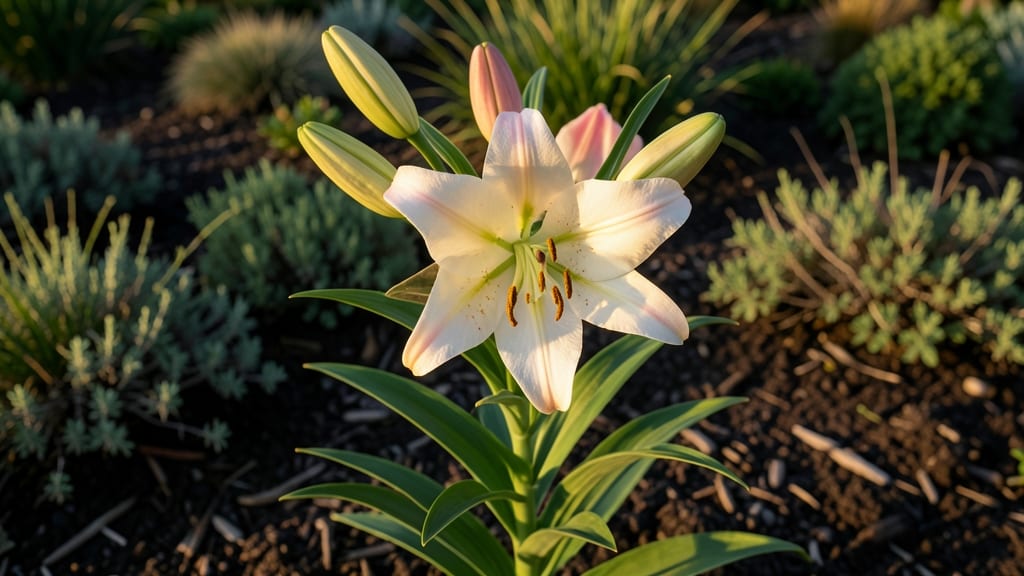
The oriental lily bloom time is all about heat — these stunning 🌸 flowers wait patiently until daytime temperatures hit that sweet 75°F–85°F range before bursting into color.
If you’ve ever wondered why your oriental lilies bloom at different times each year—or why some varieties refuse to flower at all—heat exposure is the secret.
These stunning blooms don’t follow a calendar; they wake up when temperatures rise just right, and knowing the exact triggers can mean the difference between a spectacular summer display and empty stems.
Most oriental lilies in Zone 6a and warmer kick into bloom between mid-July and September, but cooler zones or early-planted bulbs may stretch that window. Varieties like 'Stargazer' or 'Casa Blanca' often bloom earlier, while darker hybrids like 'Black Out' may wait until late summer when the heat peaks.
Here’s what you’ll discover: how to predict your lilies’ bloom time by tracking heat accumulation, the 3 key factors that trigger blooms (and how to tweak them), and simple fixes for when your plants skip flowering entirely.
When oriental lilies bloom: heat-triggered months by variety
Oriental lilies are famous for their dramatic blooms, but their timing is one of the most misunderstood aspects of growing them. Unlike daylength-sensitive flowers, these beauties rely on heat accumulation—specifically, daytime highs between 75°F–85°F—to trigger bud formation.
In cooler zones, they may wait until July or August, while warmer climates see blooms as early as June. The key? Understanding your local heat patterns and variety preferences.
Most gardeners assume oriental lilies bloom in mid-summer, but the reality is far more nuanced. For example, 'Stargazer'—the classic burgundy-and-gold stunner—typically needs 120–150 days of consistent warmth after planting. Meanwhile, pale varieties like 'Casa Blanca' often bloom 2–3 weeks earlier because their buds form at slightly lower temperatures.
Even dark varieties like 'Black Out' follow this heat rule, though their buds may require a 1–2°F warmer push to open fully.
| Variety | Peak Bloom Months (USDA Zones 6–8) | Heat Trigger (°F) | Zone 3–5 Adjustment | Bloom Duration |
|---|---|---|---|---|
| 'Stargazer' | Late July–Early August | 78°F–82°F daytime | 1–2 weeks later | 2–3 weeks |
| 'Casa Blanca' | Early July–Mid-July | 75°F–79°F daytime | 2–3 weeks later | 3–4 weeks |
| 'Black Out' | Mid-August–Early September | 80°F–85°F daytime | 3–4 weeks later | 1–2 weeks |
| 'Pink Perfection' | Late July–Early August | 76°F–80°F daytime | 1–2 weeks later | 2–3 weeks |
| 'Navajo' | Early August–Mid-August | 77°F–81°F daytime | 2 weeks later | 3 weeks |
*Bloom times shift 2–4 weeks later in cooler zones (3–5) due to delayed heat accumulation.
If you’re in USDA Zone 9 or 10, oriental lilies may start blooming as early as June, especially if planted in well-draining, heat-retaining soil. The secret here is nighttime temperatures: lilies need 55°F–65°F at night to prevent bud drop.
In my Zone 8 garden, I’ve seen 'Casa Blanca' bloom in late June when nights stay above 60°F, but 'Stargazer' waits until mid-July unless I add black plastic mulch to warm the soil faster.
For gardeners in Zones 3–5, patience is key. These varieties often need extra heat to bloom at all. I’ve had success using row covers or planting near south-facing walls to trap heat.
Even then, expect blooms to arrive 3–4 weeks later than the table above. Dark varieties like 'Black Out' are the most heat-demanding, so they’re best suited for Zones 6–10 unless you’re willing to provide artificial warmth.
One common mistake is assuming larger blooms mean earlier flowering. In reality, darker varieties often take longer to mature their buds because their pigments require more
How to predict your oriental lilies’ bloom time by Zone
Predicting when your oriental lilies will bloom isn’t about guessing—it’s about reading your local climate and understanding how heat accumulation triggers their growth. Unlike annuals that follow a calendar, these perennial beauties wait for consistent warmth before sending up those iconic blooms.
By combining USDA zone data with growing degree days (GDD), you can forecast bloom times with surprising accuracy.
Start by checking your USDA Plant Hardiness Zone—this tells you your average last frost date, a critical benchmark. For example, in Zone 5, lilies often bloom 6-8 weeks after the last frost when soil temps hit 55°F.
Meanwhile, in Zone 9, blooms may appear as early as May if winter wasn’t severe. The key is tracking heat exposure, not just days on the calendar.
- Step 1: Find Your Zone – Use the USDA Zone Map to identify your last frost date (e.g., Zone 6: ~April 15).
- Step 2: Track Soil Temps – Lilies need soil at 55°F+ for 2-3 weeks before blooming. Use a soil thermometer or local weather apps.
- Step 3: Calculate GDD – Sum daily temps above 40°F (e.g., 70°F day = 30 GDD). Most oriental lilies need 1,200–1,500 GDD to bloom.
- Step 4: Adjust for Variety – Early bloomers (e.g., 'Casa Blanca') may flower in July, while late varieties (e.g., 'Black Out') can wait until August-September.
- Step 5: Use Apps – Tools like GDD Tracker or PlantNet automate calculations by inputting your zip code and planting date.
Don’t overlook soil temperature cues—they’re just as important as air temps. Oriental lilies often swell their buds when soil stays above 60°F for 10+ days. In my Zone 7 garden, I’ve noticed buds tighten and firm up around late June, signaling blooms in early August.
If your soil stays cool (e.g., shady or clay-heavy plots), blooms will delay—sometimes by 2-3 weeks.
For fine-tuning, pair your zone data with local heat-tracking apps like Weather Underground or AccuWeather. These tools let you input historical heat patterns for your area, giving you a customized bloom forecast.
For example, if your region has consistent 80°F+ days by July 1st, expect 'Stargazer' lilies to bloom in late July—not August.
Pro tip: Plant depth matters! Bulbs buried 6-8 inches deep absorb heat more efficiently than shallowly planted ones. In warmer zones (8-10), mulch with straw or pine needles to retain soil heat; in cooler zones (3-6), use black plastic mulch to accelerate warming.
These tweaks can shave 1-2 weeks off bloom time.
Remember, patience is key. First-year lilies often focus on foliage to build bulb strength, delaying blooms until year two. But once established, your oriental lilies will reward you with reliable, heat-triggered blooms—if you’ve set the stage with the right zone-based timing. 🌸