
Blooming
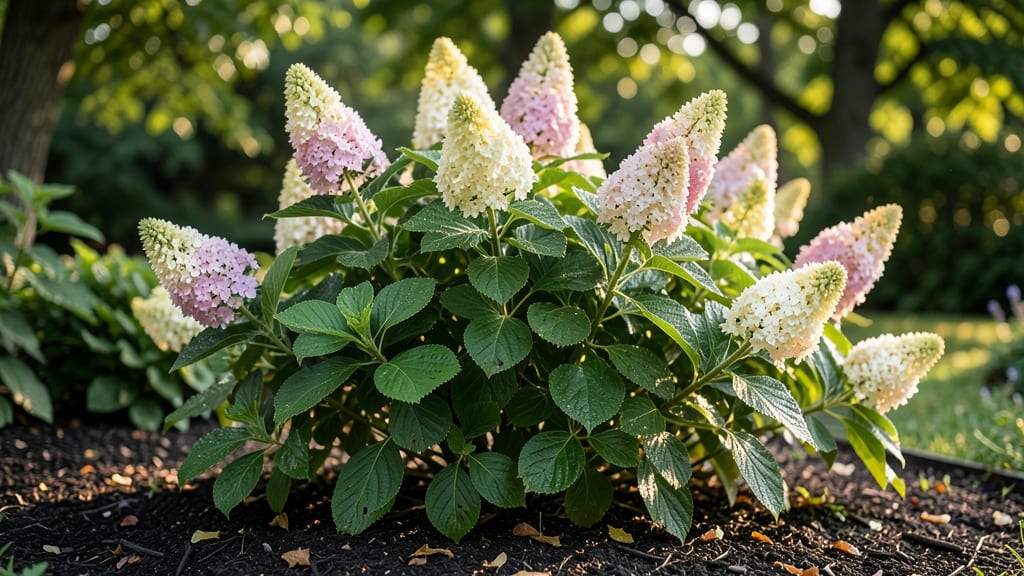
Panicle hydrangeas burst into bloom when days warm to 70°F—and the timing depends entirely on your zone. 🌸 I’ve watched mine go from tight buds to fluffy white clusters in just 10 days when spring finally arrives, but in cooler zones, the show starts later.
The secret isn’t just waiting for warm weather—it’s understanding how heat and pruning work together to trigger those iconic panicles.
Most gardeners prune in late winter, but that’s only half the story. These hydrangeas bloom on new wood, meaning aggressive cuts in early spring actually encourage more flowers.
In my Zone 6 garden, I prune in March, and by June, the branches are heavy with blooms that last until frost. The key is cutting back to 3-5 buds from the base—no need for fancy techniques, just a sharp pair of shears.
What you’ll end up with is months of color, from early summer through fall, with some varieties even holding dried blooms into winter. The flowers start as pale green buds, then open into creamy white clusters that deepen to soft pink as they age.
And here’s the best part: they’re drought-tolerant once established, so once you get the timing right, they practically take care of themselves.
Adapt this for your climate—cooler zones may need a little extra warmth from mulch, while hotter areas benefit from afternoon shade. The same pruning rules apply everywhere, though, so you can count on reliable blooms year after year with just a little planning.
📚 In This Guide
- What you need
- Instructions
- Tips and common mistakes
- Wrapping up and next steps
What you need
- ● Panicle hydrangea plants (e.g., Hydrangea paniculata varieties like 'Limelight,' 'Little Lime,' or 'Grandiflora') – 1-3 plants (depending on desired coverage).
- ● Well-draining potting mix or garden soil – 2-3 bags (18-24 qt each) for planting or repotting.
- ● Organic mulch (e.g., shredded bark or pine straw) – 1-2 cubic feet to retain moisture and regulate soil temperature.
- ● Balanced fertilizer (10-10-10 or 20-20-20) – 1-2 lbs for initial planting and seasonal feeding.
- ● Pruning shears – 1 pair (sharp, clean, and sterilized with rubbing alcohol).
- ● Watering can or hose with a gentle spray nozzle – For hydration without damaging blooms.
- ● Sunlight: Full sun (6+ hours/day) for optimal blooming. Partial shade (4-6 hours) works but may reduce flower size.
- ● Hardiness zone: USDA Zones 4-8 (adjust care for zones outside this range).
- ● Water source: Consistent access to 1-2 inches of water per week (adjust for drought or extreme heat).
- ● Slow-release fertilizer granules – For hassle-free nutrient delivery.
- ● Soil pH test kit – Panicle hydrangeas prefer pH 6.0-7.0 (adjust with lime or sulfur if needed).
- ● Plant stakes or cages – To support tall varieties (e.g., 'Grandiflora').
- ● Heat-tolerant mulch (e.g., straw or black plastic) – For regions with extreme summer heat.
- ● Garden journal – To track bloom times, pruning dates, and weather patterns!
Instructions for timing panicle hydrangea blooms
Here’s how I trigger vibrant blooms year after year—through pruning, heat management, and seasonal cues.
✂️ Step 1: Prune at the Right Time for Next Year’s Flowers
Panicle hydrangeas bloom on new wood, so prune in late winter or early spring (just as buds swell). Cut back one-third of the oldest stems to the ground—these are the stems that produced last year’s flowers. I always prune after the last frost but before leaves emerge.
Here’s the thing—if you prune too early, you risk cold damage to fresh cuts. If you wait too long, you’ll remove next year’s flower buds. Look for tight, green buds forming at the stem bases—that’s your signal to prune.
☀️ Step 2: Manage Heat for Extended Bloom Season
Panicle hydrangeas thrive in full sun to partial shade, but heat stress shortens bloom time. In hot climates, provide afternoon shade during peak summer months. I use a lightweight shade cloth (30-40%) to protect blooms from wilting.
Water deeply once a week (or more in extreme heat) to keep soil 2-3 inches moist. Wilting flowers won’t recover, but consistent moisture keeps blooms vibrant longer. Test soil moisture by sticking your finger in—if it’s dry past 1 inch deep, it’s time to water.
🌱 Step 3: Fertilize for Stronger, Longer Blooms
Feed with a balanced, slow-release fertilizer (10-10-10) in early spring as new growth begins. I apply ½ cup per plant and water it in well. Avoid high-nitrogen fertilizers—they promote leafy growth at the expense of flowers.
In mid-summer, switch to a low-phosphorus, high-potassium fertilizer (like 5-10-10) to encourage bloom production and longevity. You’ll notice flowers lasting 2-3 weeks longer when fed this way.
🌿 Step 4: Deadhead and Prune for Year-Round Interest
Remove faded blooms in early fall (after frost) to prevent seed formation, which drains energy. Cut stems back to the first set of healthy buds below the bloom. This encourages late-season regrowth that often blooms again in mild winters.
For winter interest, leave a few spent flower heads on the plant—they add texture and contrast against snow. In spring, prune these back to clean up the plant but don’t remove all stems, as some may rebloom.
⏰ Step 5: Time Blooms with Seasonal Heat Waves
Panicle hydrangeas bloom in late spring to early fall, but heat spikes can trigger early blooming. If flowers appear too soon (before June), they’ll fade fast. To delay blooming, prune lightly in early summer (cut back 10% of stems) to encourage new growth.
Watch for buds forming in late summer—these are next year’s flowers. If your area has early frosts, protect young buds with a light frost cloth until they harden off in fall.
Tips & tricks for perfect panicle hydrangea blooms
These simple strategies will help you extend your hydrangea's bloom season and keep those flowers vibrant all year long.
Pruning Precision: When you're cutting back those one-third of oldest stems in Step 1, use clean, sharp pruners to avoid tearing the stems. Make cuts at a 45-degree angle just above a healthy bud or leaf node. This angled cut helps water run off and prevents rot. I also recommend sterilizing your pruners with rubbing alcohol between cuts to prevent spreading disease from old growth to new.
Heat Management Hack: In Step 2, if you notice your hydrangea's leaves curling or wilting during peak summer heat, it's a sign you need more shade. I've found that moving the shade cloth to cover the plant by 10 AM rather than waiting until noon makes a noticeable difference in bloom longevity. The key is protecting those delicate flowers from the most intense afternoon sun when temperatures peak.
Fertilizer Timing: For Step 3, mark your calendar for the first fertilizer application in early spring—right when you see those first green shoots emerging. I use a simple garden marker to label my hydrangeas with the date I applied fertilizer so I don't accidentally double up. The second mid-summer application should happen when you notice the first flush of new blooms starting to form, typically around early July in most climates.
Deadheading Technique: In Step 4, when removing faded blooms, cut back to the first set of healthy buds rather than just snipping off the flower head. This encourages stronger regrowth from that lower bud rather than just the top. I've seen plants produce second blooms from these lower buds when given this extra encouragement, extending the bloom season by several weeks in mild winters.
Pro Tips for Panicle Hydrangea Bloom Time
- These simple strategies will help you extend your hydrangea's bloom season and keep those flowers vibrant all year long.
- Pruning Precision: When you're cutting back those one-third of oldest stems in Step 1, use clean, sharp pruners to avoid tearing the stems.
- Heat Management Hack: In Step 2, if you notice your hydrangea's leaves curling or wilting during peak summer heat, it's a sign you need more shade.
Frequently asked questions
about panicle hydrangea bloom time—because timing is everything! Whether you're a first-time grower or a seasoned gardener, these answers will help you keep those stunning blooms coming.When do panicle hydrangeas typically bloom?
Panicle hydrangeas usually bloom in late spring to early summer (May–June), with some varieties extending into fall. Heat and sunlight trigger blooming, so pruning in late winter or early spring encourages stronger, more abundant flowers. Pro tip: If you prune too late, you might miss the current season’s blooms!
Can I prune panicle hydrangeas in winter?
Yes, but time it right! Prune after the last frost (late winter/early spring) to avoid damaging new growth. Wait until dormant buds swell—this ensures you don’t cut off next year’s blooms. Pro tip: Use sharp bypass pruners for clean cuts!
Why aren’t my panicle hydrangeas blooming?
No blooms? Check these common culprits:
- Over-pruning: Cutting back too aggressively removes next year’s flower buds.
- Poor sunlight: They need full sun (6+ hours/day) for optimal blooming.
- Nutrient deficiency: Feed with balanced fertilizer in early spring.
- Age: Young plants (under 2 years) may not bloom yet.
Are there early-blooming panicle hydrangea varieties?
Some varieties like ‘Little Lime’ or ‘Limelight’ bloom earlier (April–May) and often rebloom in fall. Pro tip: Plant these in sheltered spots to protect from late frosts!
How long do panicle hydrangea blooms last?
Individual blooms last 4–6 weeks, but many varieties (like ‘Grandiflora’) produce secondary blooms in fall. Deadhead spent flowers to encourage reblooming, but avoid heavy pruning after mid-summer—it can stunt fall flowers.
Wrapping up and next steps
Timing your panicle hydrangea blooms is all about understanding its love for heat and strategic pruning! These stunning shrubs reward patience with vibrant, long-lasting flowers—whether you’re chasing summer splendor or winter interest. By mastering pruning triggers and heat cues, you’ll unlock year-round color and a thriving garden. 🌸
Ready to transform your space? Grab your pruners, check the forecast, and get growing—your hydrangeas (and future admiring neighbors!) will thank you. 🌿