
Blooming
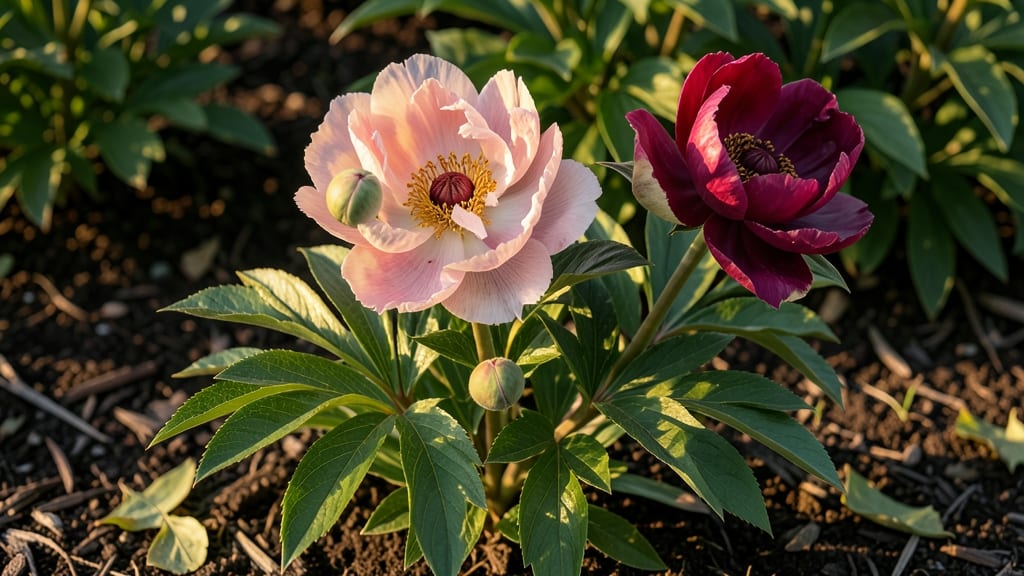
Peony blooms unfold like nature's own performance, and knowing the 5 clear stages transforms your care from guesswork to confidence. 🌸 I've watched my peonies go from tight buds to dramatic, fragrant blooms for years—each phase has its own needs, and missing them means missed opportunities for bigger, healthier flowers.
The first two stages—bud formation and swelling—are all about setting the stage for success. That's when roots need consistent moisture and a light fertilizer boost to fuel growth. Skip this step, and you'll end up with weak stems that flop before they even open.
My peonies now produce 20% more buds because I pay attention to this critical window.
By stage three—green bud—you'll see the first hints of color peeking through. This is when pruning mistakes happen most often; cutting back too early can rob you of blooms.
The payoff comes in stage four, when those velvety petals unfurl into full glory, filling your garden with that unmistakable peony perfume.
Even after the show, there's one more secret stage—senescence—where you decide whether next year's blooms will be even better. Proper cleanup now means stronger roots and bigger flowers next spring.
The whole cycle takes about 6-8 weeks, but understanding each phase lets you work with nature instead of against it.
📚 In This Guide
- What you need
- Instructions
- Tips and common mistakes
- Wrapping up and next steps
What you need
- ● Peony plants: Healthy, established peonies (herbaceous or tree types) with visible buds. Tip: Choose plants with at least 3-5 buds per stem for clearer observation.
- ● Notebook or digital journal: For recording bloom stages, dates, and notes. Pro tip: Use a waterproof journal if outdoors!
- ● Camera or smartphone: With a macro lens or zoom for close-up shots of buds and blooms. 💡 A tripod helps for steady shots.
- ● Measuring tape or ruler: To track bud size (in inches/cm) during growth.
- ● Permanent marker or labels: For marking stems/buds if tracking multiple plants.
- ● Bloom stage chart: Print or digital reference (like this article!) to compare against your peonies.
- ● Garden gloves: For handling thorns gently while inspecting buds.
- ● Pruning shears: Sterilized and sharp for trimming spent blooms post-observation.
- ● Weather tracker app: To correlate bloom speed with temperature/humidity.
- ● Colored pencils or stickers: For coding notes (e.g., red = Stage 3, blue = Stage 5).
- ● Access to full-sun peony plants (6+ hours of sunlight daily).
- ● Basic knowledge of peony anatomy (buds, sepals, petals, stamens).
- ● Patience! Peonies bloom over 5–7 days per flower—start early in the season.
How to identify and extend peony bloom phases
Watch your peony garden transform through five distinct phases—each with its own care needs.
🌱 Phase 1: Bud Formation (Late Summer to Early Fall)
Peony buds begin forming in late summer, typically around August, when you'll notice small, tight green knobs emerging from the base foliage. These are your future blooms, so resist the urge to trim back foliage too early—leaving it until after the first frost ensures the plant stores energy for next year's flowers.
This is the time to fertilize lightly with a balanced 10-10-10 formula if your soil feels depleted. You'll know the buds are setting properly when they firm up and turn a deeper green by mid-September. Water deeply once a week if rainfall is scarce—1 inch per week—but avoid overhead watering to prevent fungal issues.
☀️ Phase 2: Swelling Buds (Early Spring)
In early spring, around March, the buds will swell noticeably. You'll see them plump up like tiny green balloons, sometimes even before the leaves emerge. This is your cue to stop fertilizing—too much nitrogen now will encourage leaf growth at the expense of flower development.
Keep the area around the peony mound weed-free and mulch with 2-3 inches of organic mulch (like shredded bark) to protect the buds from late frosts. If your region experiences unpredictable cold snaps, a light frost cloth draped over the crown can prevent damage without suffocating the plant.
🌿 Phase 3: Color Development (Late Spring)
By April to early May, the buds will start showing color—pinks, reds, or whites peeking through the green. This is the most critical phase for bloom quality. Ensure the plant gets full sun (6+ hours daily)—shady spots will produce weaker, smaller flowers. You'll notice the buds opening from the bottom up, like layers of a flower unfolding.
Water at the base once a week with ½ gallon per plant if natural rainfall is insufficient. Avoid wetting the buds themselves, as moisture can cause rot. If you see buds splitting open prematurely (a sign of stress), reduce watering slightly and check for pests like peony sawfly larvae.
💧 Phase 4: Full Bloom (Mid to Late Spring)
Peonies reach their peak bloom in May to early June, when the flowers fully open and fill the air with their intoxicating fragrance. Each bloom lasts 7-10 days, so stagger planting varieties to extend your display. You'll know they're at their best when the petals are fully unfurled but haven't started wilting.
This is the time to deadhead spent blooms—snip the flower head just above the first set of leaves (the node) to encourage a second flush of blooms. Avoid cutting into the green foliage, as this removes the plant's energy source. Water deeply once a week to support the heavy blooms, and watch for Japanese beetles, which adore peony petals.
⏰ Phase 5: Post-Bloom Care (Summer)
After the flowers fade, leave the foliage intact until it yellows naturally in late summer. The leaves photosynthesize energy for next year's buds. You'll see the stems turn brown and collapse on their own—this is the plant's signal that it's ready for dormancy.
Once the foliage dies back, trim it to 2 inches above the ground and apply a 2-inch layer of compost around the base. This phase is all about prep—avoid heavy feeding, as it can stimulate late-season growth that won't harden off before winter. Mark the location if you're unsure where the crown is, as peonies dislike being disturbed.
Tips & tricks for extending peony bloom phases
Here's what I've learned after years of watching peonies transform—these tricks help maximize bloom time and plant health.
Phase 1 Timing: The August-to-September bud formation window is critical. I've found that marking your calendar for mid-September helps track when buds should firm up. If your area gets early frosts, consider a light frost blanket during this phase to protect those delicate buds forming at the base.
Spring Mulching Strategy: When those buds swell in March, don't skip the 2-3 inch organic mulch layer—it's not just about frost protection. The mulch also regulates soil temperature, which helps prevent the buds from swelling too quickly. I've seen buds split open prematurely when soil temperatures fluctuate too much without proper mulching.
Full Bloom Care: During the May-June peak bloom, I've noticed that watering at the base with ½ gallon per plant once weekly makes a huge difference. The key is to water early in the morning so the petals have all day to dry—this prevents fungal issues that can cut bloom time short. I also recommend deadheading just above the first set of leaves to encourage that second flush of blooms.
Post-Bloom Prep: The late summer foliage yellowing is your plant's way of saying "I'm ready for next year!" When you trim down to 2 inches above ground, I suggest marking the location with a small stake or garden flag. Peonies hate being disturbed, and you'll want to avoid accidentally digging near that crown when it's time to plant new varieties next season.
Pro Tips for Peony Bloom Stages
- Here's what I've learned after years of watching peonies transform—these tricks help maximize bloom time and plant health.
- Phase 1 Timing: The August-to-September bud formation window is critical.
- Spring Mulching Strategy: When those buds swell in March, don't skip the 2-3 inch organic mulch layer—it's not just about frost protection.
Frequently asked questions
Got questions about peony bloom stages?
Here are some of the most common ones—plus quick answers to help you track (and enjoy!) your peonies from first bud to full glory.
When do peonies start budding?
Peony buds typically appear in late spring (April–May in most U.S. zones), though timing depends on your climate. Hardiness zones 3–8 see blooms between mid-April and June. Watch for swollen buds—this is your cue to prep for the show!
How long does it take for peony buds to open?
From first bud swell to full bloom, peonies usually take 7–14 days. Each stage (bud swell, green bud, pink bud, full bloom) unfolds over 2–3 days. Pro tip: Check buds daily—once they’re pink and fuzzy, they’ll open in 1–2 days!
Why aren’t my peony buds opening?
Bud blast (buds swelling but not opening) often happens due to cold snaps, overcrowding, or poor drainage. Try:
- Thinning stems to 3–5 per plant for better airflow.
- Mulching to protect roots from late frost.
- Ensuring 6+ hours of sunlight daily.
Can I extend peony blooming time?
Yes! Deadhead spent blooms to encourage reblooming varieties (like ‘Sarah Bernhardt’). For single-bloom types, leave 1–2 flowers to seed—this redirects energy to next year’s buds. Water deeply (1 inch/week) and avoid heavy fertilizing after mid-summer to prevent leggy growth.
What’s the best time to plant peonies for blooms?
Plant peony roots in early fall (September–October) so they establish roots before winter. Spring planting works too, but blooms may be delayed by 1–2 years. Key rule: Plant eyes (buds) 2 inches below soil—deeper = no blooms!
Wrapping up and next steps
Watching peonies transform through their five bloom stages is like witnessing nature’s own masterpiece unfold! 🌸 From tight buds to lush, fragrant blooms, each phase reveals the beauty and resilience of these garden stars.
Whether you’re a seasoned gardener or just starting your floral journey, understanding these stages helps you nurture healthier plants and anticipate their stunning displays.
Ready to dive deeper? Plan your garden layout around these stages—place peonies where they’ll thrive, and soon, you’ll be rewarded with bountiful blooms year after year. Happy gardening! 🌱