
Blooming
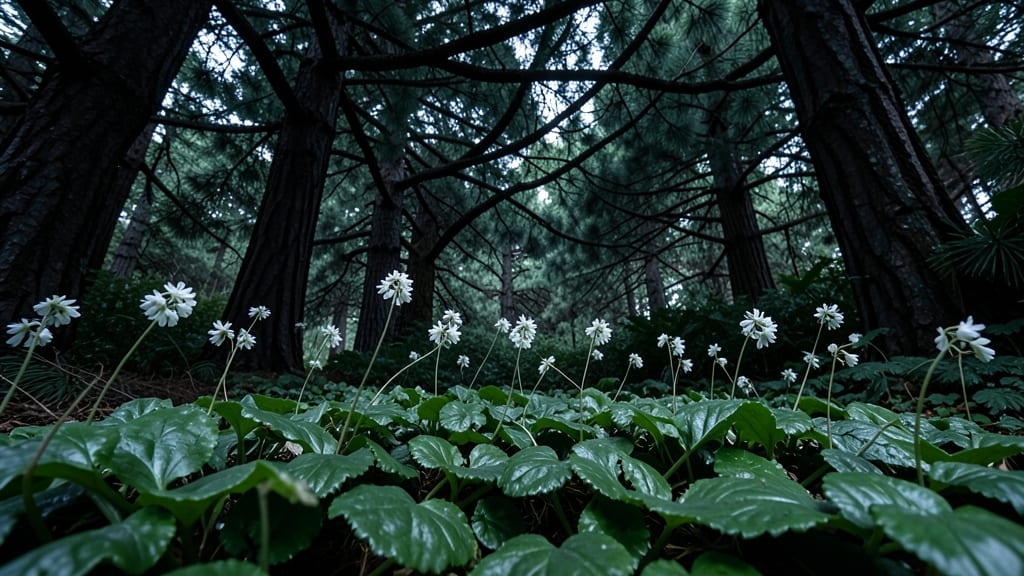
Extend your garden's beauty into colder months with these 10 hardy perennials that thrive in fall and winter. Their vibrant blooms and frost-resistant foliage bring color when most plants have faded, making them essential for year-round interest.
Hellebore Winter Rose Perennials
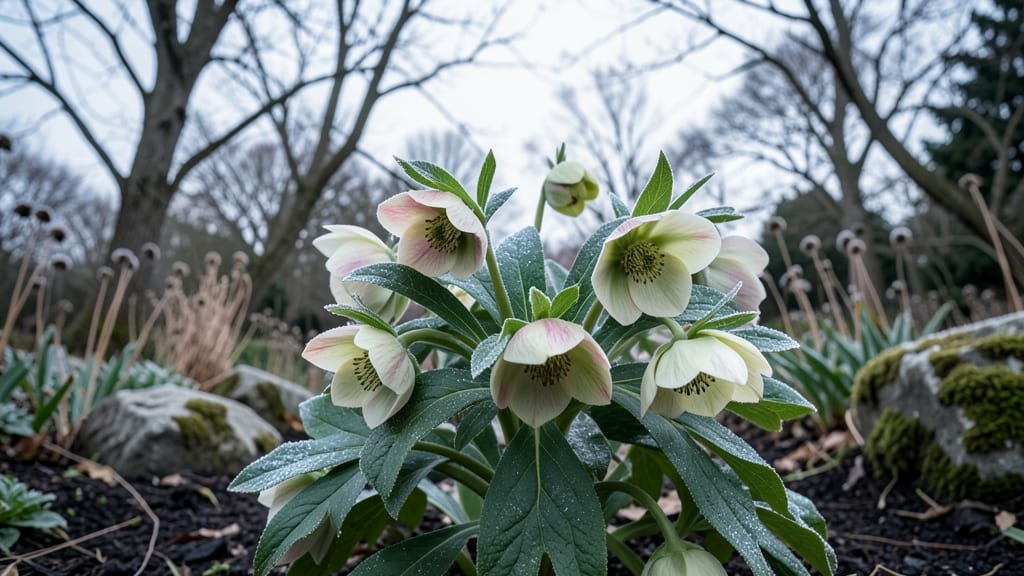
When most gardens lie dormant under winter’s chill, hellebores—also called winter roses—burst into bloom, offering delicate, nodding flowers that defy frost and snow. These shade-loving perennials thrive where few other plants dare to grow, making them ideal for dark corners, woodland gardens, or under trees where sunlight barely reaches.
Plant hellebores in partial to full shade with well-draining soil, and they’ll reward you with early winter to late spring blooms in shades of white, pink, purple, and green. Their evergreen foliage provides year-round structure, while their flowers often last for weeks, even through light frosts. Deadhead spent blooms in spring to encourage more flowers, but avoid cutting back the leaves until new growth appears.
Perfect for beginner gardeners and shade enthusiasts, hellebores are low-maintenance yet stunning. They’re also deer-resistant, making them a practical choice for rural or suburban gardens alike. 🌷
Snowdrops Galanthus Nivalis Plant
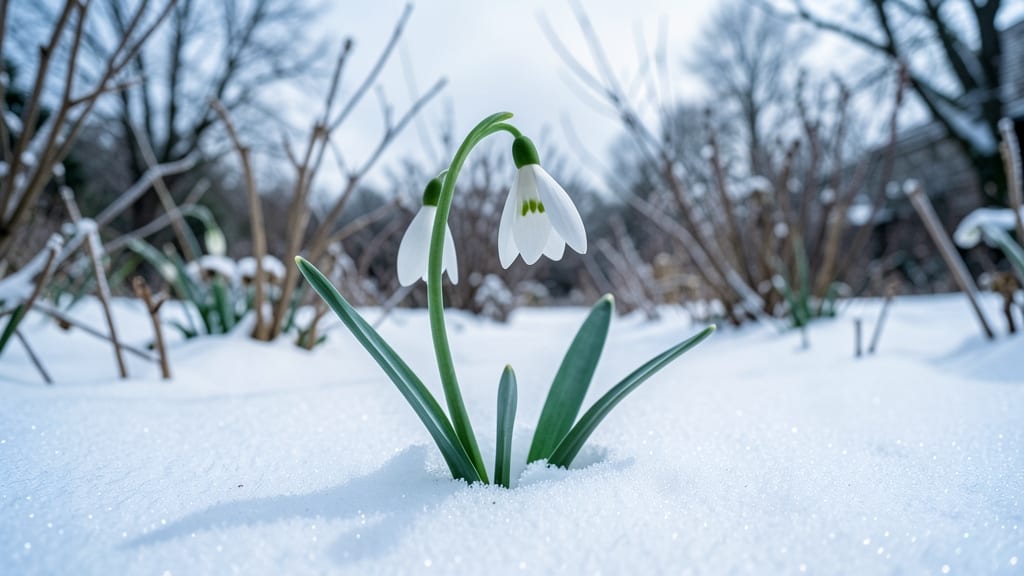
When most gardens lie dormant under winter's chill, snowdrops (Galanthus nivalis) break through the snow with their delicate white blooms, signaling spring's arrival. These hardy perennials thrive in USDA zones 3-9, making them perfect for northern climates where winter lasts long.
Plant snowdrops in partial to full shade, mimicking their natural woodland habitat. They prefer moist, well-drained soil and multiply quickly through self-seeding, creating natural drifts over time. Their early blooms (typically February-March) provide vital nectar for bees and early pollinators when few other flowers are available.
Woodland gardeners and those seeking low-maintenance early color will find snowdrops ideal—they naturalize beautifully and require no special care once established. Their subtle elegance transforms winter landscapes into enchanting scenes. 🌱
Winter Aconite Eranthis Hyemalis
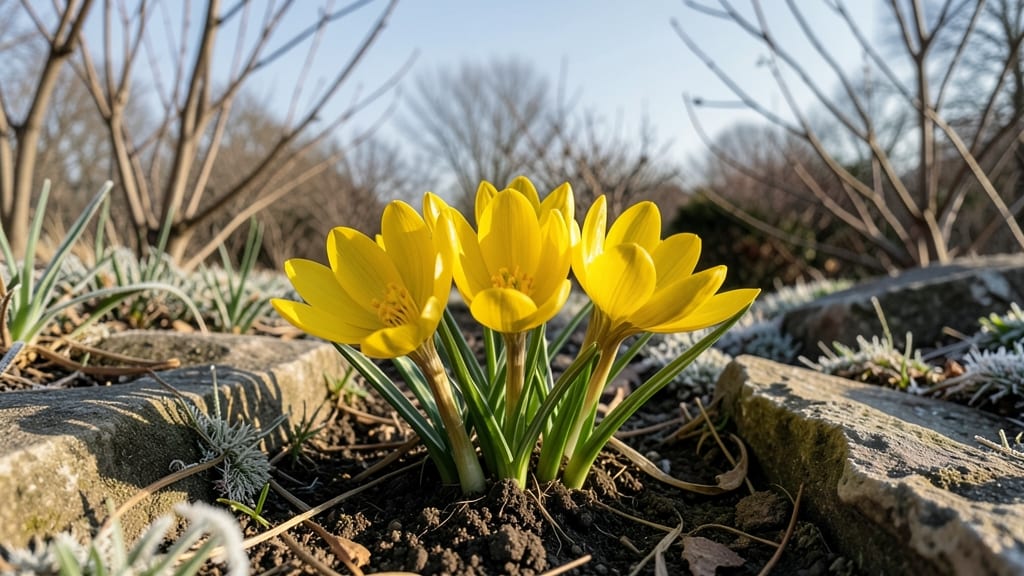
When most of your garden is tucked in for winter, winter aconite (Eranthis hyemalis) bursts onto the scene with cheerful bright yellow blooms that defy the cold. Unlike shade-loving perennials, this hardy gem thrives in sunny spots where other plants would struggle, making it a standout for rock gardens and alpine collections.
Plant bulbs in well-draining soil with full sun exposure (6+ hours daily) and minimal care—just water occasionally until established. The blooms appear in late winter (February-March) before foliage emerges, creating a stunning contrast against bare soil or gravel. Perfect for containers or borders, winter aconite spreads slowly over time, forming dense clusters.
This low-maintenance perennial is ideal for gardeners who want winter color without fuss. Its early blooms also attract pollinators, giving your garden a head start in the spring. 🌻
Crocus Vernus Early Spring Flower
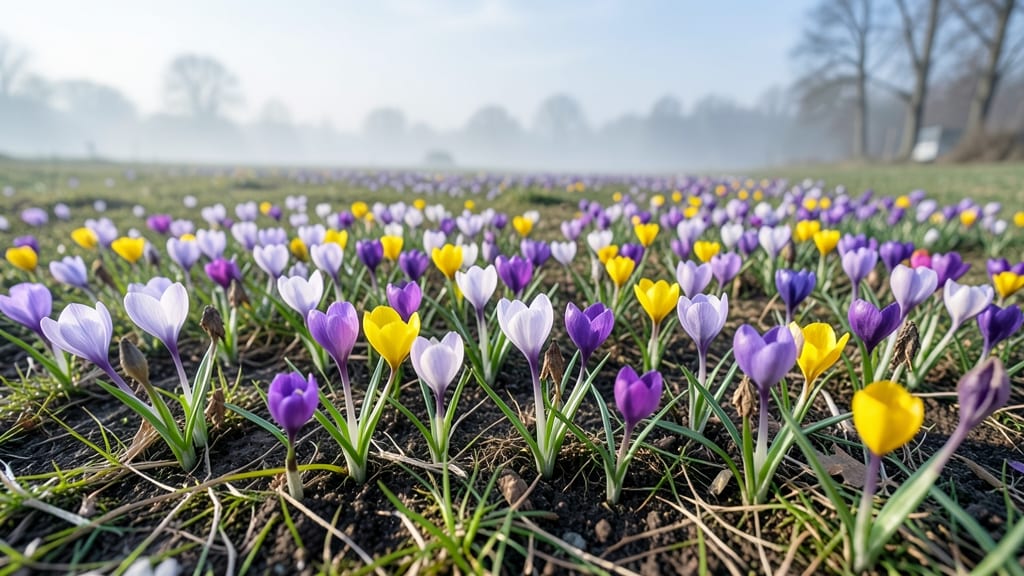
Tired of bare lawns in early spring? Crocus vernalis transforms dull grass into a sea of color with minimal effort—its cheerful blooms appear as soon as snow melts, often before other perennials even wake up.
This drought-tolerant beauty thrives in full sun to partial shade and spreads naturally over time, creating stunning carpets of purple, white, or yellow. Plant bulbs in fall for year-round pollinator support—bees and butterflies adore their early nectar when food is scarce. No division or deadheading is needed; just let them multiply.
Perfect for busy gardeners, crocus vernalis delivers instant curb appeal with zero fuss. 🌱
Winter Jasmine Jasminum Nudiflorum
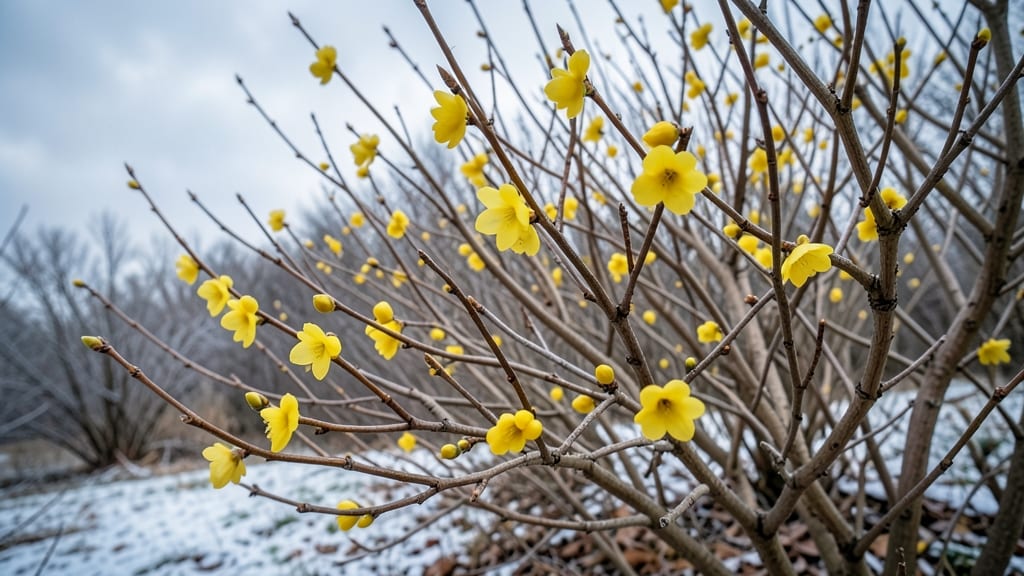
When your garden looks like a blank canvas after frost, winter jasmine (Jasminum nudiflorum) steps in with a bold splash of color. This deciduous shrub produces cheerful bright yellow flowers along its bare stems from late winter through early spring, creating a striking contrast against frosty landscapes.
Thriving in USDA zones 6-9, winter jasmine handles cold snaps with ease and prefers full sun to partial shade. Train it along trellises, arches, or fences for a dramatic vertical display, or let it sprawl as a ground cover. Prune back stems after flowering to encourage new growth—no deadheading required! Its low-maintenance nature makes it ideal for busy gardeners.
Perfect for urban gardens with limited space or rural landscapes needing winter interest, this plant transforms dreary months into a vibrant spectacle. 🌻
Heather Calluna Vulgaris Varieties
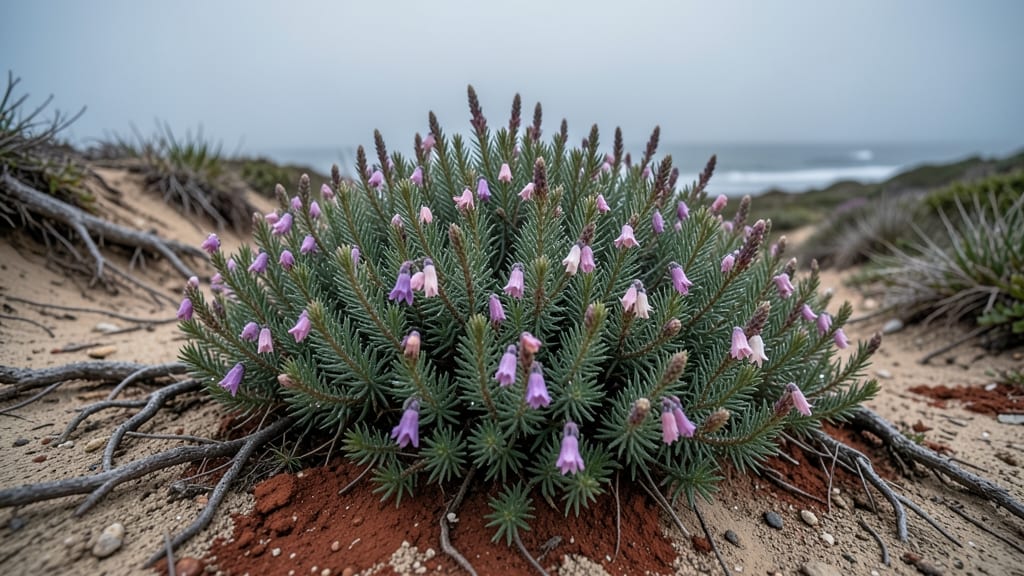
If you live near the coast or have poor, sandy, or acidic soil, heather (Calluna vulgaris) varieties are your secret weapon for year-round color. These hardy evergreens produce delicate flowers from late summer through winter—when most gardens are dormant—adding purple, pink, or white splashes to your landscape.
Thriving in USDA zones 4-7, heather prefers full sun to partial shade and tolerates drought, wind, and salt spray, making it ideal for coastal gardens, rockeries, or slopes. After flowering, give them a light trim to maintain shape and encourage dense growth. Their fragrant foliage also repels pests naturally.
Perfect for beginners or gardeners with challenging sites, heather transforms overlooked spaces into vibrant, low-maintenance displays. 🌷
Lenten Rose Helleborus Lentus
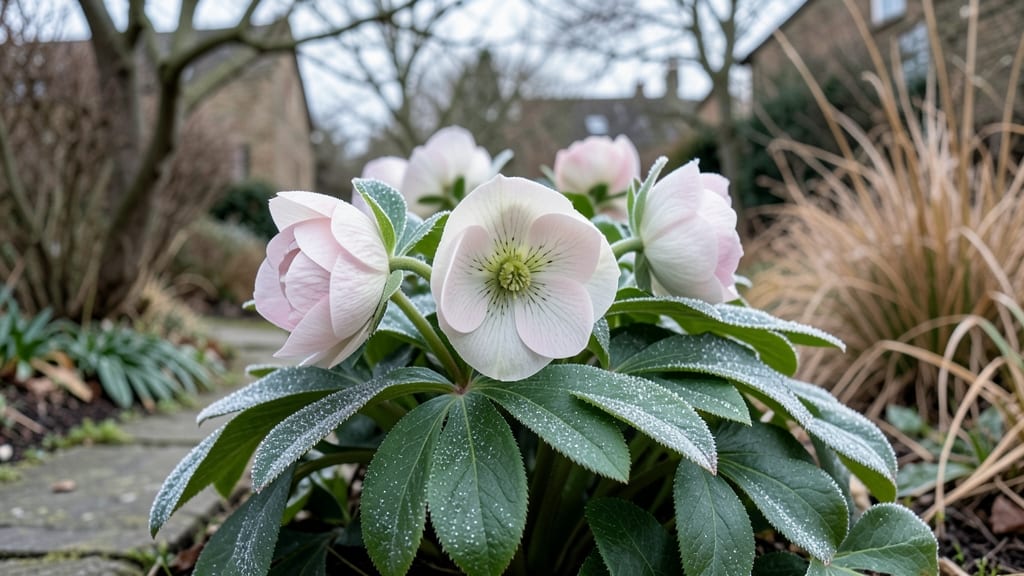
When winter gardens seem bare, Lenten Rose (Helleborus lentus) steps in with its elegant, cupped flowers that bloom from late winter through spring. Unlike other winter bloomers, this perennial thrives in partial shade and even tolerates light frost, making it a standout for cottage-style gardens and small containers.
Its unique flowers attract early pollinators like bees, giving your garden a head start on supporting wildlife. Plant in well-draining soil with morning sun and afternoon shade for best results. The deep green, leathery foliage adds texture year-round, while its long bloom time ensures months of interest.
Perfect for urban gardeners with limited space or those who love cottage charm, this versatile plant brings life to shaded corners where few others dare to grow. 🌷
Sweetbox Sarcococca Confusa
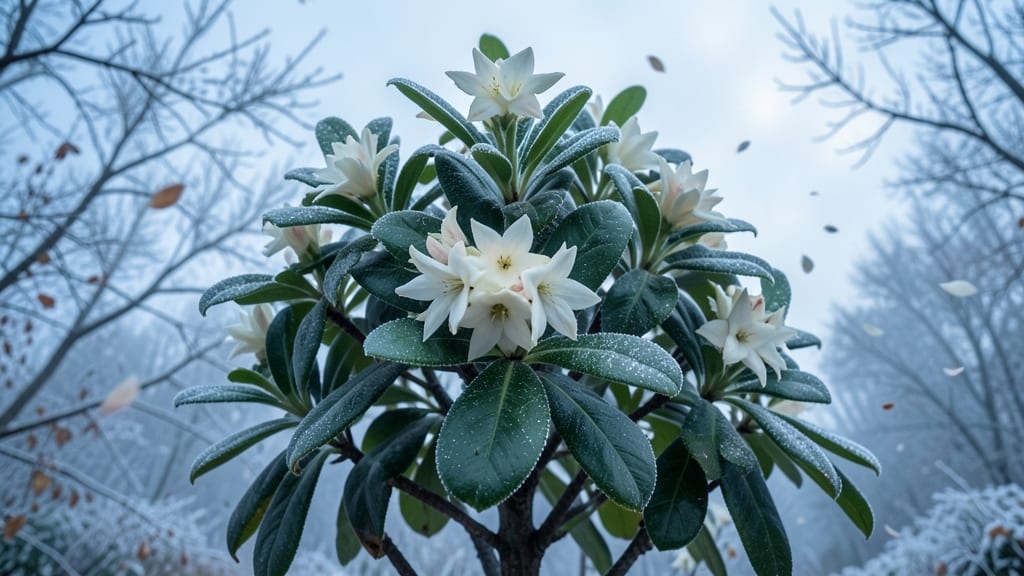
When your garden feels dormant under winter's chill, sweetbox (Sarcococca confusa) delivers a magical surprise with its intensely fragrant white blooms that perfume the air in midwinter. Unlike most winter plants that offer just color, this evergreen shrub gives you both scent and structure—perfect for urban gardeners craving a sensory experience.
Thriving in USDA zones 7-9, sweetbox handles partial shade beautifully, making it ideal for hedges, borders, or as a living screen. Its glossy, leathery leaves provide year-round interest, while the fragrant flowers (which bloom from December through March) attract pollinators when little else is active. Prune lightly after flowering to maintain shape, and watch it thrive in moist, well-drained soil—no fuss required.
This is the ultimate low-maintenance plant for city dwellers with limited space or those who want to create a fragrant winter garden. 🌱
Dwarf Iris Iris Histrioides
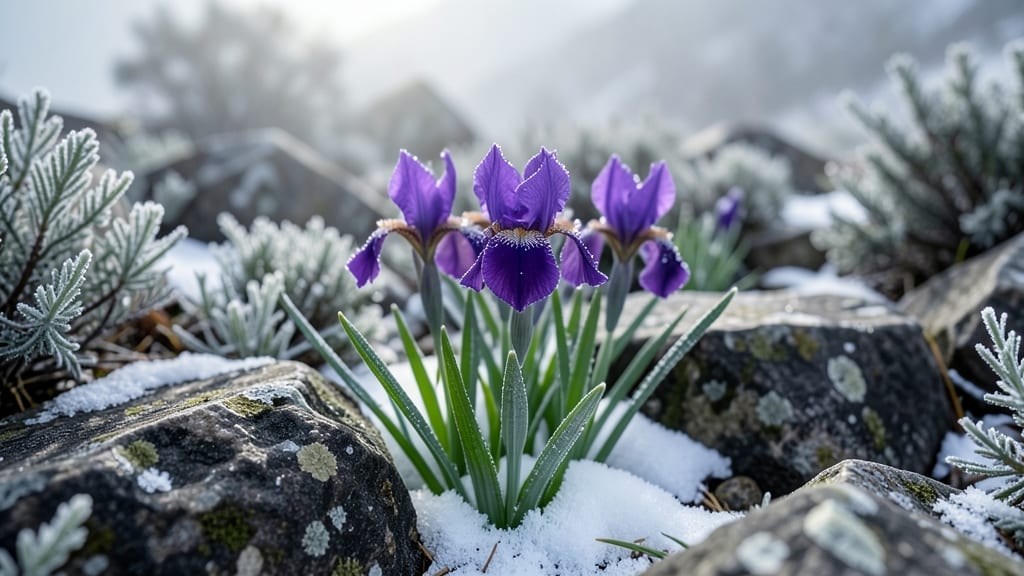
When your garden feels like a winter monochrome, dwarf iris (Iris histrioides) punches through with vibrant purple blooms that refuse to wait for spring. These miniature marvels appear in late winter—often while snow still lingers—making them the perfect surprise for rock gardens and alpine collections where space is at a premium.
Thriving in USDA Zones 4-9, this iris prefers well-draining soil and full sun to partial shade, tolerating rocky or sandy conditions that would challenge other plants. Their compact size (just 6-12 inches tall) lets you tuck them into crevices or alongside other alpine plants like winter aconite or creeping thyme. Deadhead spent blooms to encourage more flowers, but avoid cutting back foliage until it yellows in summer.
Perfect for urban gardeners with limited space or alpine enthusiasts craving early color, these irises prove that big impact doesn’t require big gardens. 🌷
Christmas Box Pachysandra Terminalis

When your garden looks bare under towering trees, Christmas Box (Pachysandra terminalis) steps in with its delicate winter charm. This evergreen ground cover thrives in the deepest shade where sunlight barely reaches, producing clusters of tiny white flowers that bloom from late winter through spring.
Plant it in well-draining soil under deciduous trees or along foundations, where it spreads slowly to create a lush, carpet-like effect. The glossy dark green leaves provide year-round interest, while the fragrant flowers attract early pollinators. It’s perfect for gardeners who want to fill shady corners without the fuss of high-maintenance plants. 💚