
Blooming
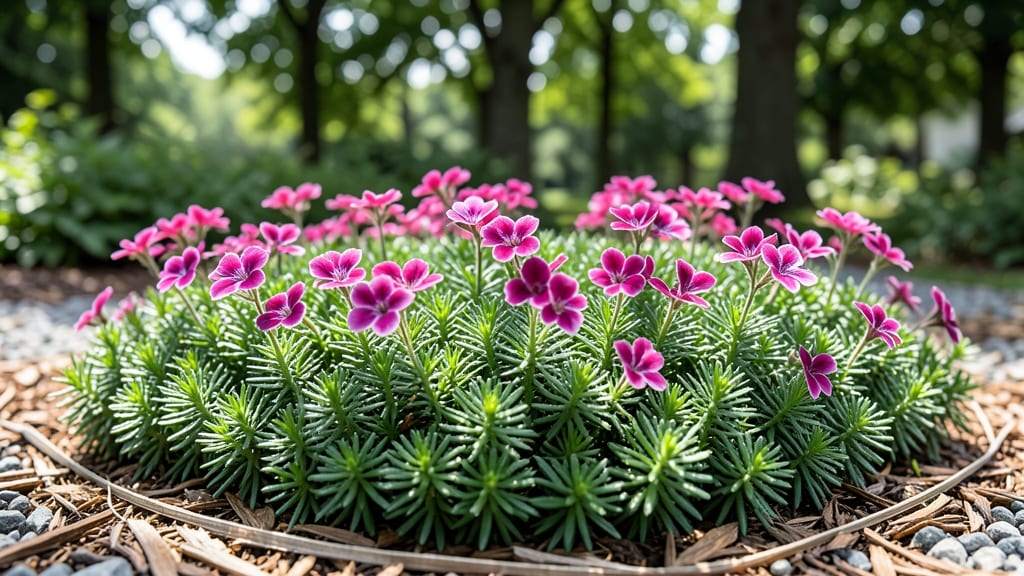
The phlox subulata bloom time is a fascinating interplay of cool temperatures and shorter days after winter dormancy, often surprising gardeners with its precise timing. If you’ve ever planted this 🌸 moss phlox expecting vibrant color by March only to be met with stubborn green foliage, you’re not alone.
The timing of its bloom depends on your hardiness zone, soil conditions, and even last year’s winter chill hours.
In Zone 6a, where many gardeners grow moss phlox, blooms typically arrive between late March and early April. Warmer zones like 8 or 9 may see flowers as early as February, while colder regions like 4 or 5 might delay until May.
Below, I’ll break down the science behind its cool-season triggers, share a zone-by-zone bloom calendar, and reveal 5 pro tips to coax earlier—or longer-lasting—color from your plants.
When does phlox subulata bloom? Cool-season triggers explained
Phlox subulata, or moss phlox, is a cool-season champion that blooms when most gardens are still waking up from winter. Unlike summer-blooming flowers, its timing hinges on temperature shifts and daylight exposure rather than heat. Understanding these triggers lets you predict—and even influence—when your moss phlox will burst into color. The secret lies in its natural dormancy cycle, which kicks off blooms when conditions align just right.
In most USDA Zones 3-8, moss phlox typically blooms from late winter to early spring, often between February and April. However, this window shifts dramatically based on your region.
For example, gardeners in Zone 5 might see blooms as early as March 1st, while those in Zone 8 could enjoy them as late as May 15th. The key factor? Chilling hours—moss phlox needs 600-1,000 hours below 40°F (4°C) to break dormancy and trigger flowering.
Here’s the science: Moss phlox is a short-day plant, meaning it responds to decreasing daylight in fall to prepare for spring blooms. If summer heat lingers into late August, your phlox might delay flowering until cooler temperatures return.
Conversely, a mild winter with fewer chilling hours can push blooms earlier—or even stunt them if the plant doesn’t fully rest.
Another critical trigger is soil temperature. Roots need to warm to 50-55°F (10-13°C) before shoots emerge. If your ground stays cold (like in Zone 4), blooms may wait until late April or May. Amending soil with compost or mulch can help regulate temperature and encourage consistent blooming.
Light exposure also plays a role. While moss phlox thrives in full sun (6+ hours/day), too much intense summer heat can stress it, delaying blooms. In southern climates (Zones 7-10), partial shade in afternoon can prevent heat stress and promote earlier spring flowering.
| Factor | Ideal Condition | Effect on Bloom Time |
|---|---|---|
| Chilling Hours | 600–1,000 hours below 40°F (4°C) | Delays blooms if insufficient; advances if excessive |
| Daylight | Short days (fall/winter) | Triggers dormancy; longer days delay blooms |
| Soil Temperature | 50–55°F (10–13°C) | Cold soil delays shoots; warm soil speeds growth |
| Sunlight | 6+ hours/day (full sun) | Too much heat stresses plant; partial shade helps in hot zones |
| Frost | Light frost tolerance | Hard frosts can damage buds; mulch protects roots |
To manipulate bloom time, try these proactive strategies. Planting moss phlox in fall (September-October) gives roots time to establish before winter, often resulting in earlier spring blooms. In warmer zones (7-10), provide afternoon shade during summer to reduce heat stress.
Another trick? Deadhead spent blooms in late spring to encourage a second, lighter flush of flowers in early summer.
Watch out for late summer heatwaves, which can confuse moss phlox into thinking it’s still summer. If temperatures stay above 85°F (29°C) for weeks, blooms may halt entirely until cooler weather returns.
In these cases, mulching with straw or providing temporary shade cloth can help regulate soil and air temperatures.
Finally, soil pH matters. Moss phlox prefers acidic to neutral soil (pH 6.0-7.0). If your soil is alkaline, blooms may be sparser or delayed. Test your soil in early fall and amend with sulfur or peat moss if needed.
Well-draining soil is equally critical—waterlogged roots can cause rot and stunted growth, pushing back bloom time.
By syncing your moss phlox care with these cool-season triggers, you’ll unlock vibrant, timely blooms that brighten your garden from late winter through spring. Experiment with planting times, shade, and soil prep to find the perfect balance for your climate.
With a little patience, your moss phlox will reward you with months of cheerful color when other plants are still dormant. 🌸
Phlox subulata bloom calendar by USDA hardiness zones (3-10)
Phlox subulata, or moss phlox, is one of the first spring bloomers, but its exact timing depends heavily on your USDA hardiness zone. In colder zones like Zone 4, it often emerges in early April, while in milder Zone 8, blooms may appear as late as February.
Understanding these variations helps you plan companion plants and garden designs for maximum impact.
The key to extending its bloom period lies in cool-season triggers. Moss phlox thrives when temperatures hover between 40°F and 60°F—too early warmth can delay flowering, while late frosts may damage tender buds.
Mulching with 2-3 inches of organic matter in fall helps regulate soil temps and encourages earlier blooms.
🌸 Phlox Subulata Bloom Comparison by Zone
| Zone | Avg. Start | Peak Bloom | Avg. End | Bloom Duration | Pro Tip |
|---|---|---|---|---|---|
| 3-4 | Late April | Early May | Mid-June | 6-8 weeks | Use black plastic mulch to warm soil |
| 5-6 | Early April | Mid-April | Early June | 8-10 weeks | Plant heather nearby for pollinators |
| 7-8 | February | March-April | May | 10-12 weeks | Deadhead after peak to extend blooms |
| 9-10 | January | February | April | 12+ weeks | Prune lightly in fall to encourage density |
In Zone 4, where frosts linger, moss phlox often blooms later but produces hardier stems that withstand wind. Meanwhile, Zone 8 gardeners enjoy nearly year-round color with staggered planting. For late bloomers, try dividing clumps every 3-4 years to rejuvenate growth and push flowering dates earlier.
To maximize your moss phlox's performance, pair it with early spring bulbs like crocus or snowdrops. The 3-inch height of phlox makes it perfect for ground cover under shrubs or as a border. In warmer zones, consider partial shade to prevent heat stress during summer dormancy.
Remember, soil moisture in late winter is critical—water deeply when soil is 60°F or below. This encourages strong root systems that support longer bloom periods. For drought-prone areas, group phlox with sedum or thyme to share moisture resources.
With these zone-specific strategies, your moss phlox will reward you with vibrant, timely blooms that brighten gardens from February to June—no matter where you garden. 🌿