
Blooming
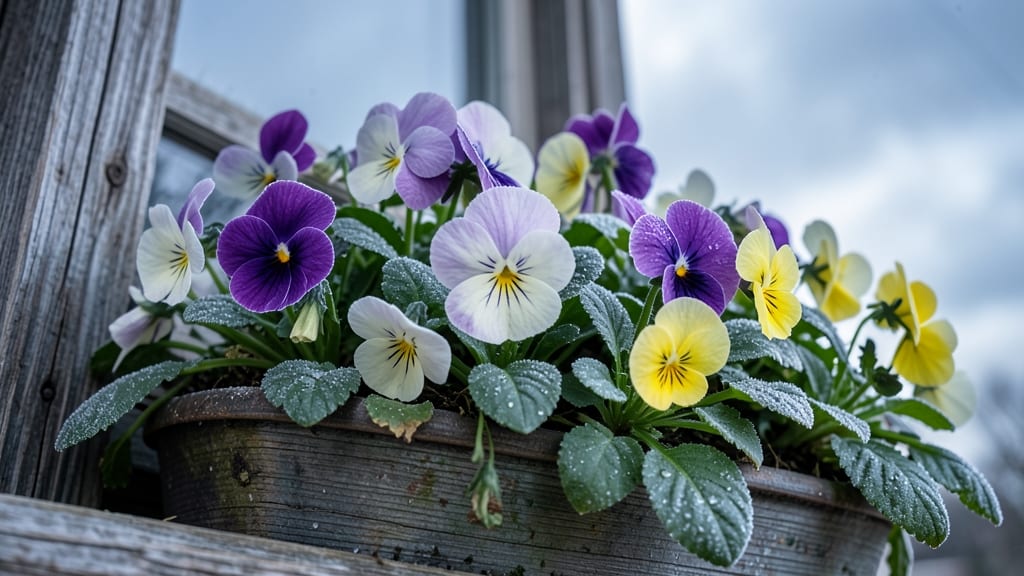
November gardens don’t have to be dull—these cold-hardy plants defy frost with vibrant blooms, adding late-season color and winter resilience. Perfect for gardeners who crave year-round interest without sacrificing hardiness.
Chrysanthemums Thriving In Fall Frost
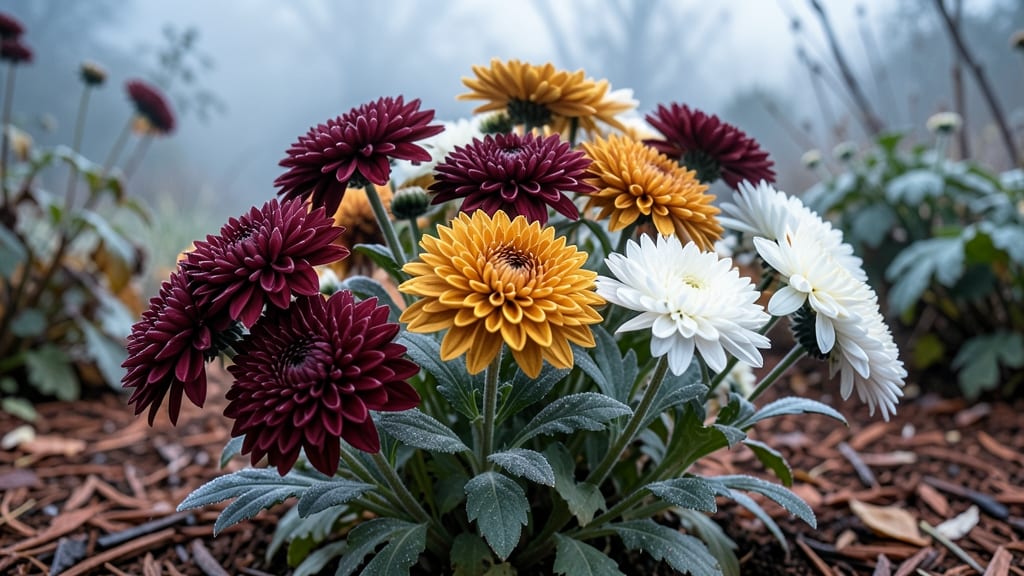
When most gardens fade into dormancy, chrysanthemums step up as November’s unsung heroes, defying frost with their bold, late-season blooms. These hardy perennials thrive in fall temperatures and even light frosts, offering a dazzling palette from deep burgundy to crisp white—perfect for cutting gardens or adding pollinator-friendly color when bees need it most.
For best results, choose late-blooming varieties like ‘Daisy Mound’ or ‘Marmalade’ and plant in well-draining soil with 6 hours of sun daily. Deadhead spent blooms to encourage more flowers, and mulch heavily to protect roots from temperature swings. These plants also make excellent container candidates for patios or balconies, where you can move them closer to walls for extra frost protection.
Cut-flower gardeners will love chrysanthemums’ long stems and vase life, while pollinators adore their nectar-rich blooms—making them a dual-purpose star for late-season gardens. 🌻
Hardy Cyclamen For Shade Gardens
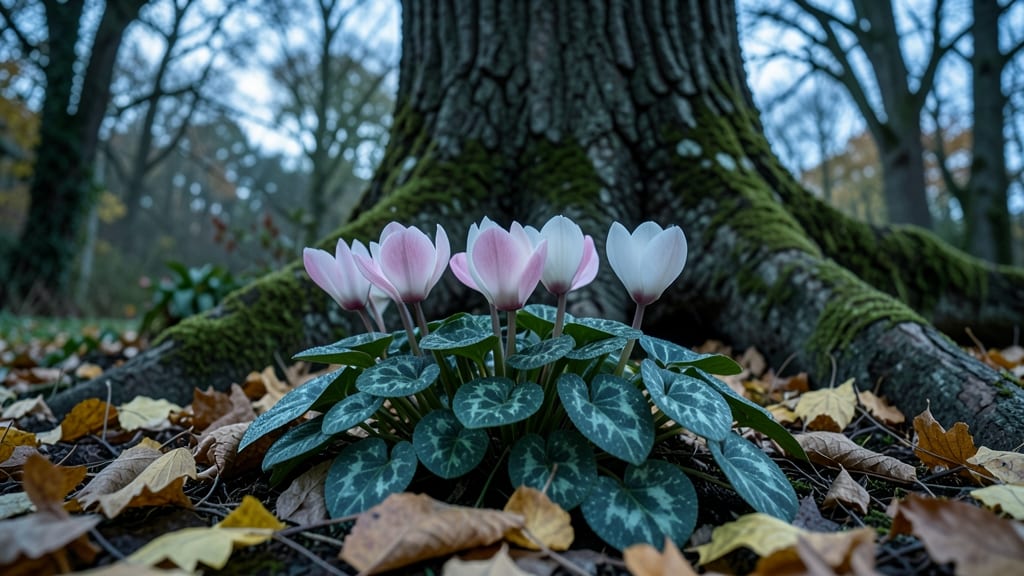
While most shade-loving plants struggle to bloom in November, hardy cyclamen defy expectations with their delicate pink and white flowers that thrive in cool, dim conditions. These woodland natives bring late-season color to spots where sun-starved plants give up—think under trees, along north-facing walls, or beneath dense shrubs.
Cyclamen’s secret? They prefer dappled shade and well-draining soil, making them ideal for woodland gardens or container plantings near patios. Their evergreen foliage (with distinctive silver markings) adds texture year-round, while blooms last from fall through early winter. For best results, plant corms in autumn when soil temps drop below 60°F—this mimics their natural dormancy cycle.
Perfect for gardeners with shady spots that feel forgotten, cyclamen reward patience with low-maintenance beauty that few other plants can match. 🌿
Winter Jasmine Climbing Trellis Beauty
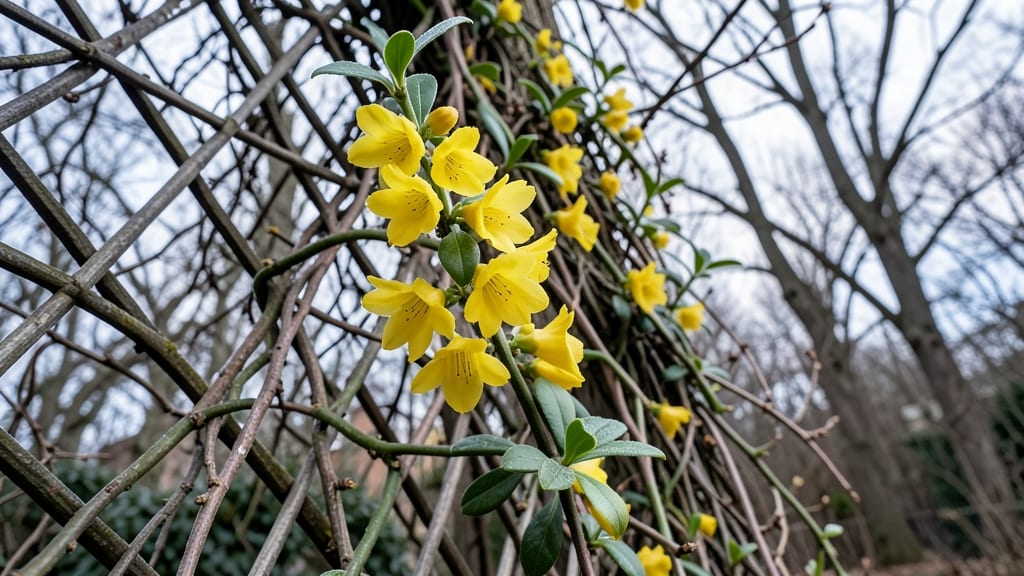
Looking for a vertical pop of color when most gardens have gone quiet? Winter jasmine (Jasminum nudiflorum) bursts into fragrant bright yellow blooms in late fall—often before its leaves even appear—making it a standout for November gardens.
This semi-evergreen climber thrives in full sun to partial shade and tolerates USDA zones 6-9, making it ideal for urban balconies, trellises, or chain-link fences. Simply train the vines along a structure, and you’ll get months of cheerful flowers with minimal effort. Prune back in early spring to encourage bushier growth.
Perfect for small spaces, winter jasmine adds year-round structure and a sweet citrusy scent that brightens chilly mornings. Urban gardeners and balcony dwellers will love how it transforms bare walls into living art. ✨
Pansies Resisting Early Freezes
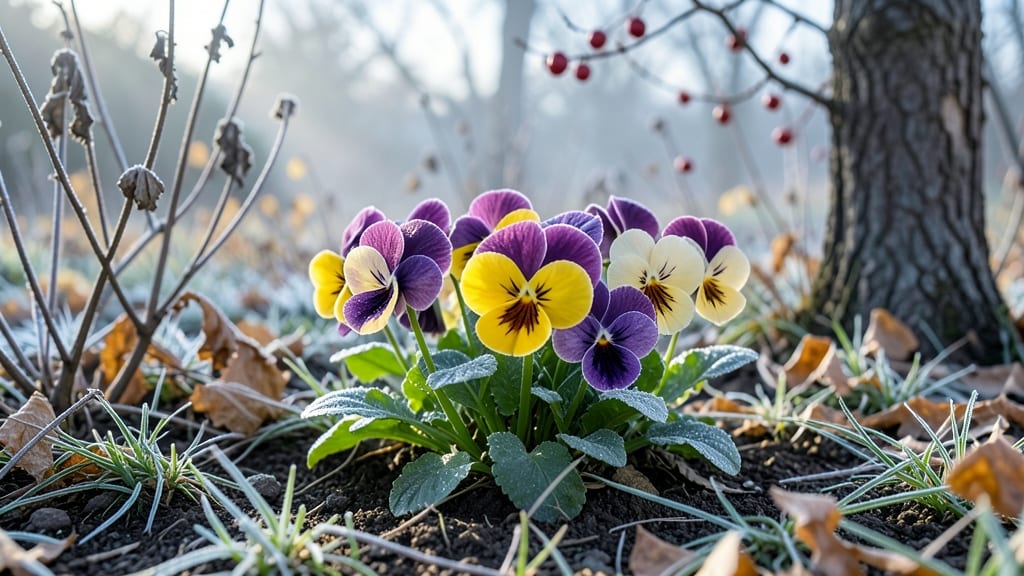
When early frosts threaten to end your garden season, pansies stand defiantly in the cold with their cheerful faces still smiling. These cold-tolerant annuals thrive in temperatures as low as 20°F, making them ideal for November borders and containers when most flowers have bowed out.
Beyond their frost resistance, pansies offer a dual-purpose bonus—young petals are edible, adding a peppery flavor to salads or garnishes. Plant them in well-draining soil with morning sun to extend blooms, and pinch back spent flowers to encourage more blooms. Their compact size makes them perfect for urban balconies or window boxes, where they’ll bring color even in winter.
Urban gardeners and beginners will love pansies for their low-maintenance nature and versatility—they’re as happy in pots as they are in garden beds. 🌷
Heather Blooms In Frosty Hues
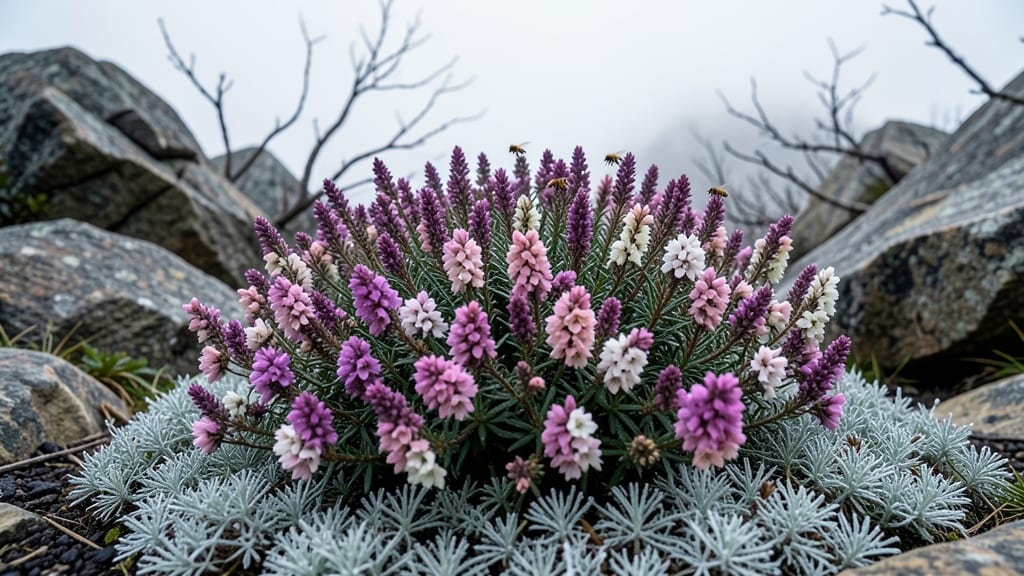
When you crave year-round color without the fuss of high-maintenance plants, heather blooms deliver a frost-proof punch. These dwarf shrubs thrive in rocky soils and alpine conditions, offering dense clusters of purple, pink, or white flowers that attract bees even in chilly November air.
Perfect for rock gardens, slopes, or containers, heather requires minimal care—just well-draining soil and full sun to partial shade. Varieties like Calluna vulgaris (common heather) or Erica carnea (spring heather) bloom from late summer through winter, providing nectar for pollinators when few other plants are in flower. Prune lightly after blooming to keep their compact shape.
Ideal for beginners and small-space gardeners, heather adds texture and color with almost no effort—just plant, water occasionally, and enjoy the show. 🌷
Sweetbox Shrubs For Evergreen Interest
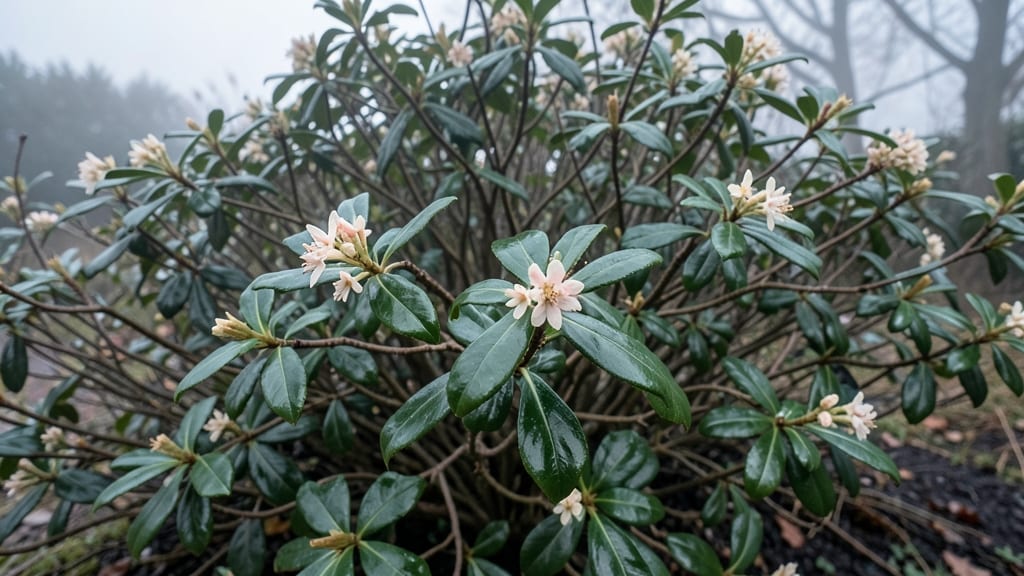
When you need a year-round green backbone for your garden, sweetbox shrubs (Sarcococca) deliver with their glossy, dark evergreen leaves and delicate winter blooms. Unlike seasonal plants that fade, these understory shrubs thrive in cold climates (USDA zones 7-9), making them ideal for hedges, foundation plantings, or woodland gardens where other plants struggle.
Sweetbox shrubs excel in partial to full shade, tolerating dry soil once established—perfect for urban gardens or spots under trees. Their tiny white flowers (highly fragrant!) appear in late winter, attracting pollinators when little else is blooming. Prune lightly in spring to maintain shape, and watch them grow 3-5 feet tall with a mounded habit. For extra winter interest, plant near paths where their year-round structure adds architectural beauty.
These low-maintenance shrubs are a gardener’s secret weapon for frost-proof greenery—ideal for those who want color without the fuss of seasonal replacements. 💚
Crocus Bulbs Pushing Through Snow
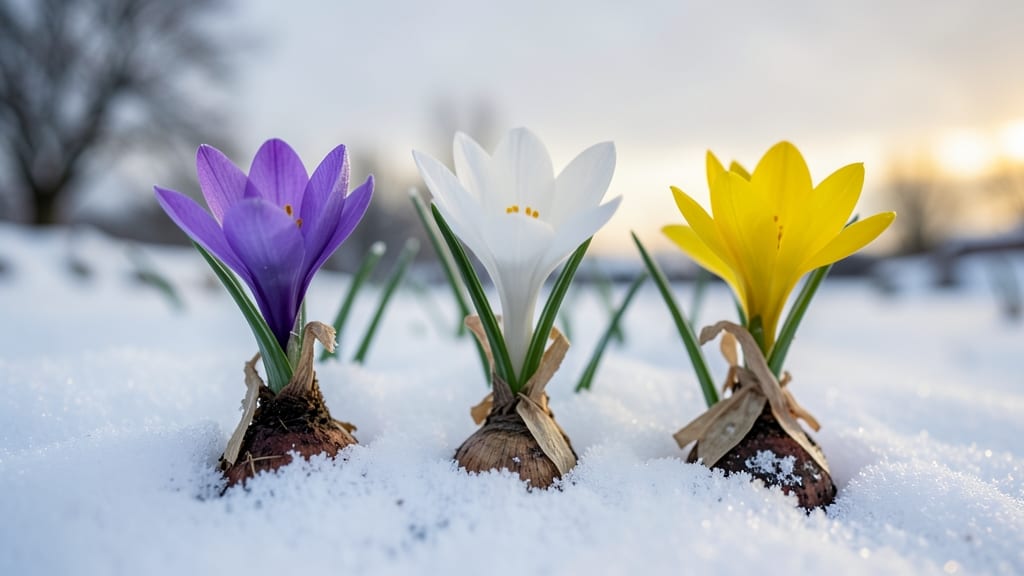
When you spot crocus bulbs pushing through snow, it’s nature’s way of announcing spring’s arrival—even in November! These tiny but mighty blooms thrive in late fall and early winter, offering vibrant purple, white, or yellow pops of color that brighten even the dreariest winter days.
Plant crocus bulbs 3-4 inches deep in well-draining soil with full sun to partial shade, and they’ll reward you with early pollinator support when bees and butterflies need it most. Their shallow roots make them perfect for lawns, borders, or even container gardens—just ensure they’re not waterlogged. For a dramatic effect, mix varieties like ‘Purple Striped’ or ‘Snow Bunting’ for a cascade of colors.
Ideal for gardeners who want low-maintenance beauty with high impact, crocus bulbs multiply over time, creating naturalized meadows that cheer up winter landscapes. 🌱
Sedum Autumn Joy Varieties
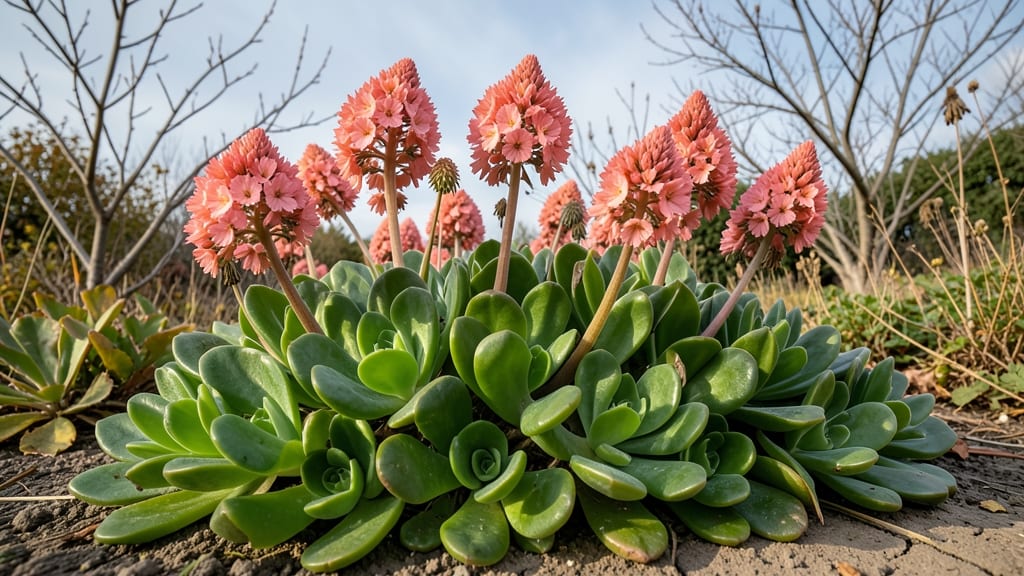
When you need a drought-tolerant plant that refuses to quit even as temperatures drop, Sedum Autumn Joy delivers with its striking pink flower clusters that last well into December. Unlike many late-season bloomers, this succulent thrives in full sun and requires almost no water once established—making it a perfect choice for sunny borders, rock gardens, or even containers on patios.
Plant in well-draining soil with 6+ hours of sun daily for the best results, and watch as its thick, fleshy stems store moisture efficiently. The blooms attract late-season pollinators, and the plant’s architectural form adds winter interest long after other flowers have faded. For containers, choose pots with drainage holes and pair with gravel for a modern, low-maintenance look.
Ideal for urban gardeners and low-water landscapes, Sedum Autumn Joy proves that November gardens can stay vibrant with minimal effort—just plant, water occasionally, and enjoy the show. 🌱
Dwarf Witch Hazel For Late Color
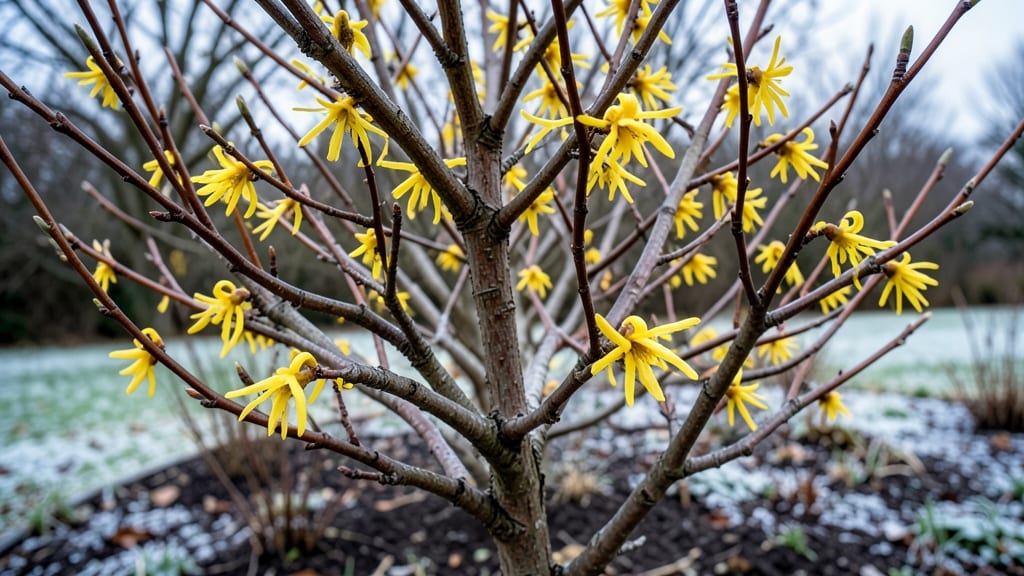
When your garden seems to fade into winter doldrums, dwarf witch hazel (Hamamelis × intermedia) emerges as a late-season hero with its striking yellow ribbons of flowers that appear after the leaves drop. This deciduous shrub thrives in USDA zones 4-8, making it one of the few plants that blooms beautifully in November—often lasting until early spring.
Perfect for small gardens, dwarf witch hazel grows just 3-5 feet tall, fitting neatly into borders or woodland edges. Its fragrant, spidery flowers attract pollinators like bees and butterflies when few other plants are in bloom. Plant it in partial shade to full sun with moist, well-draining soil—it tolerates clay and urban conditions better than many late-blooming shrubs.
Small-space gardeners and pollinator enthusiasts will love how witch hazel adds winter interest without sacrificing structure. Prune lightly after flowering to maintain its natural shape, and enjoy its year-round appeal from bare branches to spring foliage. 🌟
Violas Extending Seasonal Blooms

If you’ve ever wished for a splash of color in your winter window boxes or balcony containers, violas are your secret weapon. These cold-hardy cousins of pansies thrive when temperatures drop, offering delicate blooms in shades of purple, white, and yellow that brighten chilly November days—often lasting until spring.
Violas shine in partial sun to light shade, making them ideal for urban balconies or north-facing window boxes where pansies might struggle. Plant them in well-draining soil with a layer of mulch to insulate roots from frost, and deadhead spent blooms to encourage more flowers. Their compact size (6-12 inches tall) fits perfectly in containers, where they’ll spill over edges like a living waterfall.
Perfect for beginners and small-space gardeners, violas deliver year-round interest with minimal care—just occasional watering and protection from heavy rain. Their sweet, honey-like scent adds an extra layer of charm to winter gardens. 🌷