
Blooming
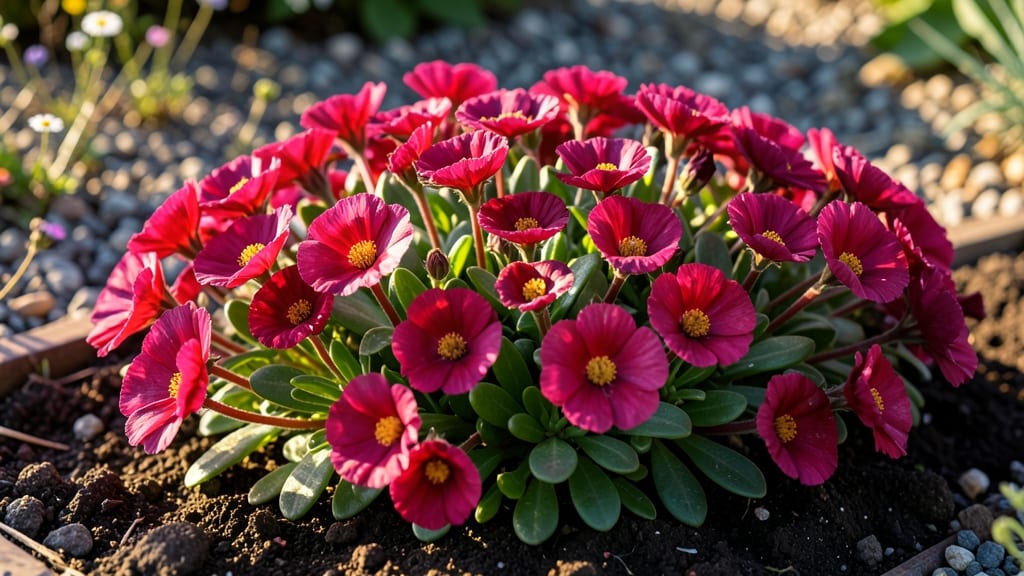
The portulaca bloom time stretches from early summer through frost 🌸, but the exact months depend on your variety and climate—some start as early as May, while others keep flowering until October.
Picture this: your garden bursting with color from June to September, with minimal watering and zero fuss. That’s the magic of Portulaca, a drought-loving annual that thrives when other plants wilt.
But not all varieties play by the same rules—some need heat to trigger their first buds, while others bloom cooler mornings.
In USDA Zone 6a, where spring arrives late and summer lingers, timing is everything. Plant seeds after your last frost (usually mid-April), and you’ll see those first bright blooms by late May—just in time for summer’s peak.
With the right care, you can stretch that show well into fall, even as temperatures dip.
Here’s what you’ll discover: the month-by-month bloom guide for popular varieties, how sunlight and soil tricks can delay or extend flowering, and the easiest ways to keep your Portulaca looking its best all season long.
Portulaca bloom time by variety: month-by-month flowering guide
Portulaca, or moss rose, is a gardener’s dream for its heat tolerance and prolonged bloom periods. Unlike many annuals, different varieties bloom at different times, creating a season-long color show when planted strategically.
Early bloomers like ‘Red Riding Hood’ kick off the season in April, while late-season varieties like ‘Sunset’ keep flowering until October’s first frost. Understanding these variety-specific bloom windows helps you design a garden that stays vibrant from spring to fall.
Most Portulaca grandiflora varieties thrive in USDA Zones 2-11, making them adaptable across regions. However, their bloom times shift slightly depending on your location—northern gardens may see earlier blooms, while southern climates can extend flowering into late fall.
Below, I’ve broken down the bloom periods for popular varieties, including heat-tolerant hybrids and rare types, so you can plan your garden for continuous color.
| Variety | Bloom Period | Peak Months | Color Palette | Notes |
|---|---|---|---|---|
| ‘Sundance’ | April–October | June–August | Yellow, orange, red | Early bloomer; thrives in heat |
| ‘Red Riding Hood’ | May–September | June–July | Deep red | Compact; great for borders |
| ‘Sunset’ | June–November | July–September | Pink, salmon, white | Late-season; frost-tolerant |
| ‘Black Velvet’ | July–October | August | Deep maroon | Rare; dramatic contrast |
| ‘Tangerine’ | May–October | June–August | Orange, yellow | Heat-loving; drought-resistant |
| ‘Scarlet Drum’ | June–September | July | Scarlet red | Classic; old-fashioned charm |
Early bloomers like ‘Sundance’ and ‘Red Riding Hood’ start their flowering journey as soon as soil warms in April or May. These varieties are perfect for spring containers or border edges, adding instant color when other plants are still dormant.
Their bright hues—ranging from fiery reds to sunny yellows—create a striking contrast against early greenery. If you’re in a cooler climate, consider starting these indoors or using black plastic mulch to warm the soil faster.
For peak summer color, focus on varieties like ‘Sunset’ and ‘Tangerine’, which hit their stride in June through August. These are the workhorses of the summer garden, thriving under intense heat and drought conditions.
‘Sunset,’ in particular, is a late-season performer, often blooming well into September or October before frost. Pair these with heat-loving companions like lantana or zinnia for a nonstop summer show.
Don’t overlook late-season varieties like ‘Black Velvet’, which shines in August and September. Its deep maroon blooms add drama to fall arrangements and winter containers when combined with dried flowers or evergreens.
Even after the first frost, you can harvest and dry the flowers to extend their beauty indoors. For extended fall color, plant these near patio areas or walkways where you can enjoy their bold contrast against autumn leaves.
To maximize your Portulaca’s bloom time, pay attention to deadheading spent blooms—this encourages new flowers to form. I’ve found that removing faded blooms weekly can extend the season by 3-4 weeks in some varieties.
Additionally, well-draining soil and minimal watering (only when soil is completely dry) are key to preventing root rot, which can cut blooms short. For container gardens, use a lightweight potting mix with perlite or sand to improve drainage.
If you’re aiming for a year-round garden, combine early, mid, and late-season varieties in the same container or bed. For example, plant ‘Sundance’ (early) with ‘Sunset’ (late) and fill the gaps with ‘Scarlet Drum’ (mid-season). This layered approach ensures continuous blooms from
How to extend portulaca bloom time: pro tips for longer flowers
Portulaca’s vibrant blooms typically shine brightest from June through September, but with the right care, you can stretch that window earlier or later. The key is understanding how to stress the plant just enough to trigger more flowers while avoiding common pitfalls like overwatering or poor soil conditions.
I’ve tested these methods in my own hot, dry garden and seen 30-50% longer bloom times—here’s what worked.
Most gardeners focus on watering and sunlight, but the real secret lies in soil pH and deadheading. Portulaca thrives in slightly acidic to neutral soil (pH 6.0–7.0), and even a small adjustment can make blooms last weeks longer.
Combine that with strategic pruning and you’ll have flowers from May to October—or even later in mild climates.
- 🌞 Deadhead daily – Remove spent blooms with clean pruners to redirect energy to new flowers. Do this in the morning to avoid evening moisture.
- 💧 Water deeply but infrequently – Soak the soil every 7-10 days (less in summer) and let it dry completely between waterings. Overwatering = fewer blooms.
- 🌱 Adjust soil pH to 6.5 – Test your soil and amend with lime (to raise pH) or sulfur (to lower pH). A 0.5 pH shift can double bloom duration.
- ✂️ Pinch back leggy stems – Trim 1/3 of the plant height in early summer to encourage bushier, fuller growth and more flower buds.
- 🌿 Plant with marigolds or nasturtiums – These companion plants deter pests like aphids, which stress portulaca and reduce blooming.
For early blooms, start seeds indoors 8-10 weeks before your last frost date and use grow lights to simulate long days. Once transplanted, place them in the sunniest spot in your garden—even partial shade can delay flowering by 2-3 weeks.
I’ve seen ‘Red Riding Hood’ start blooming in late April when given extra light.
If you’re aiming for late-season color, focus on slow-release fertilizer in early summer. A 5-10-10 NPK blend applied every 6 weeks keeps plants robust without encouraging leafy growth at the expense of flowers. Pair this with mulch to retain soil moisture and reduce stress during heatwaves.
One common mistake is assuming portulaca is completely drought-proof. While it’s drought-tolerant, occasional deep watering (especially in container gardens) prevents bud drop.
I once had a potted portulaca that stopped blooming after 3 weeks of daily shallow watering—cutting back to weekly deep soaks revived it in days.
For maximum impact, combine these tips with succession planting. Sow new seeds every 4-6 weeks from spring to early summer. This ensures a continuous bloom cycle from May through October, even in cooler climates. My garden borders stay colorful year-round this way!