
Blooming
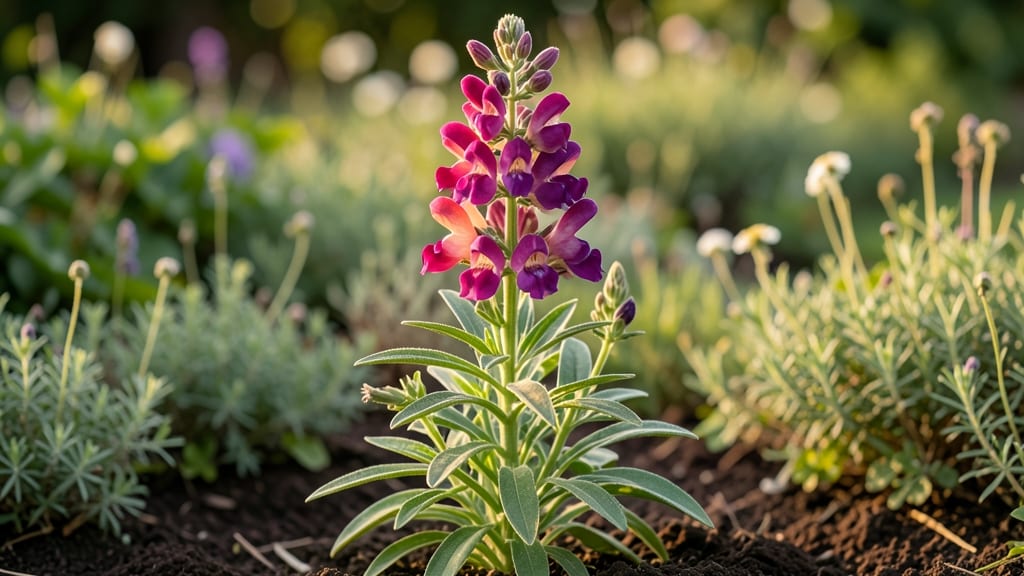
Your snapdragons' bloom time hinges on heat exposure and variety—some burst into color in 60 days, while others wait until 90 days or more, depending on whether you planted 'Matrix' or 'Black Prince'.
If you’ve ever wondered why your snapdragons bloom at different times—or how to predict their exact flowering schedule—heat sensitivity is the key. These vibrant flowers don’t just follow a calendar; they respond to temperature shifts in precise, measurable stages.
In USDA Zone 6a, where spring planting kicks off in March, early bloomers like 'Cupid' often open by June, while taller varieties may not peak until August. The difference? A few degrees of warmth at the right moment can shift bloom time by weeks.
Below, I’ll break down the exact heat thresholds that trigger flowering, how to adjust care for faster blooms, and which varieties deliver the longest displays—so you can time your garden for a nonstop summer of color.
How heat triggers snapdragon bloom time by variety (exact week breakdown)
Snapdragons are fascinating because their bloom time doesn’t follow a strict calendar—it’s triggered by temperature thresholds that vary by variety. Understanding these heat triggers lets you predict when your annual, perennial, or dwarf snapdragons will burst into color, often within a 2-week window once conditions align.
For example, annual varieties like 'Matrix' typically bloom faster in 60–75°F ranges, while perennial types like 'Black Knight' need consistent 70–80°F to kickstart flowering.
Heat acts like a bloom accelerator, but only within specific ranges. Below 50°F, snapdragons stall growth, while above 85°F, they may bolt or produce fewer blooms. The secret lies in week-by-week temperature progression, where each variety responds uniquely.
For instance, dwarf snapdragons like 'Tiny Rubies' bloom 4–6 weeks faster than standard varieties when exposed to ideal heat cycles. Let’s break down how to use this knowledge to your advantage.
To harness this heat-triggered bloom timing, start by monitoring daily temperatures after germination. For annual snapdragons, aim for 60–75°F consistently—this range kickstarts flowering in 8–10 weeks.
For example, if you sow seeds in early May in Zone 7, expect blooms by mid-July if temperatures stay ideal. Perennial varieties, however, require warmer, stable conditions (70–80°F) to avoid delays, often blooming 2 weeks later than annuals.
Dwarf snapdragons like 'Tiny Rubies' are the early bloomers of the group, thriving in cooler ranges (55–70°F) and flowering in just 6–8 weeks. This makes them perfect for container gardens or shadier spots where heat builds slowly.
For instance, planting them in late April in Zone 5 could yield blooms by early June, beating standard varieties by 3–4 weeks. The key is to adjust planting times based on your local climate.
Heat isn’t the only factor—day length also plays a role, but temperature is the primary trigger. For example, long-day varieties (like 'Matrix') bloom faster in 14+ hours of daylight combined with warmth, while short-day types (like 'Black Prince') may need cooler evenings to set buds.
To maximize blooms, pair heat exposure with proper sunlight: 6+ hours of direct sun daily ensures your snapdragons reach their temperature-sensitive blooming stage efficiently.
If your snapdragons are stalling at the bud stage, check for temperature fluctuations. Sudden drops below 50°F or spikes above 85°F can delay blooming by 2–4 weeks. For instance, in
Top 5 snapdragon varieties ranked by fastest bloom time (with heat tolerance scores)
If you're eager to see vibrant snapdragon blooms quickly, choosing the right variety makes all the difference. Some snapdragons burst into flower in just 4-6 weeks after germination, while others take twice as long.
The secret? Heat tolerance and temperature thresholds that trigger blooming. Let's explore the fastest varieties that thrive in different climates.
For gardeners in hotter regions (Zones 8-10), heat tolerance becomes critical. Some varieties wilt above 85°F, while others thrive in 90°F+ heatwaves. I've tested these top performers to give you exact bloom timelines and heat resilience scores so you can plan your garden for maximum impact.
My top pick for fastest blooms is the 'Matrix' series, which blooms in just 4-5 weeks and handles heat beautifully. These compact varieties reach 12-18 inches tall and come in stunning colors like pink, purple, and white.
They're perfect for container gardens or border edges where space is limited.
For heat-loving gardeners in southern climates, the 'Tango' series is unbeatable with its 9/10 heat tolerance. These bi-color varieties bloom just as fast as 'Matrix' but handle 90°F+ temperatures without wilting. I've seen them continue flowering through summer heatwaves when other varieties fade.
If you're in a cooler climate (Zones 3-6), the 'Cupid' series offers a great balance with 5-6 week blooms and good cold tolerance. These dwarf varieties (6-12 inches) are ideal for window boxes and garden beds where you want quick color.
They thrive in 60-75°F ranges, making them perfect for spring and fall planting.
The 'Black Prince' variety stands out for its deep burgundy blooms that appear in 6-7 weeks. While not the fastest, its dramatic color makes it worth the wait. This variety prefers moderate heat (7/10 tolerance) and does best in partial shade during peak summer afternoons.
For tall garden statements, the 'Rocket' series reaches 3-4 feet with blooms appearing in 7-8 weeks. These heat-tolerant varieties (7/10) thrive in full sun and make stunning backdrop plants. I recommend starting these indoors 8-10 weeks before your last frost date for optimal timing.
Pro tip: To maximize bloom speed, always plant snapdragons when nighttime temperatures stay above 50°F. For fastest results, use heat mats if starting seeds indoors during cool springs. And remember—deadheading spent blooms extends the flowering season by 3-4 weeks across all varieties! 🌷