
Blooming
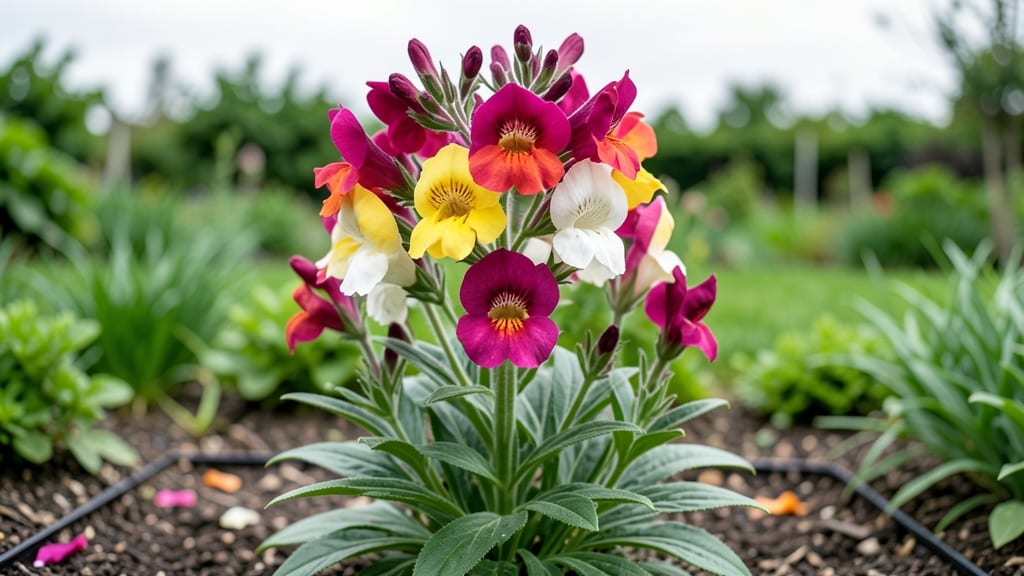
Snapdragons do not bloom all summer continuously, as extreme heat (above 80°F/27°C) triggers dormancy and stunted flowering. In cooler regions, they may rebloom with proper care, but most varieties decline in prolonged summer heat. Deadheading and shade adjustments help extend blooming seasons in mild climates.
Snapdragons are cool-season plants that naturally slow down their blooming when temperatures climb above 80°F. This isn't just a preference—it's a survival mechanism. 🌡️ The intense heat disrupts their flowering hormones, causing buds to drop before opening or flowers to wilt quickly.
Even in temperate zones, summer's peak often means fewer blooms unless you adjust care techniques. For example, varieties like 'Black Knight' or 'Rocket' might still produce some flowers in partial shade, but they'll never match their springtime abundance.
What's fascinating is how geography plays a role. In the Pacific Northwest, snapdragons might enjoy a second flush of blooms in early fall as temperatures dip, while Southern gardeners often see them struggle past early summer.
The key is understanding your local microclimate—some areas might need afternoon shade cloth, while others benefit from morning sun only. I've seen snapdragons in containers outperform in-ground plants during heatwaves because their roots stay cooler and more moist.
💡 In This Article
- How Heat Affects Snapdragon Flowering Cycles
- Extending Snapdragon Blooms in Hot Climates: Pruning and Shade Strategies
How heat affects snapdragon flowering cycles
Snapdragons respond to heat through a complex physiological process involving their flowering hormones.
When daytime temperatures exceed 80°F (27°C), these plants enter a state of heat stress that triggers ethylene production—a gas that accelerates bud drop and flower wilting. 🌡️ This isn't just wilting; it's an active survival mechanism where the plant conserves energy by aborting potential blooms that couldn't survive the harsh conditions.
The buds themselves may turn brown and crispy before opening, a clear sign of heat-induced dormancy.
Annual varieties typically suffer more dramatic declines than perennials, as they lack the root systems to store moisture and energy for recovery. For example, the popular 'Matrix' series might produce vibrant blooms in spring but struggle to maintain flowering past 85°F (29°C).
Perennial snapdragons like 'Black Knight' can sometimes recover in cooler evenings, but their blooming cycles still shorten significantly. The key threshold is 75-80°F (24-27°C)—above this range, flower production drops by 40-60% within weeks.
What's particularly interesting is how heat affects different flower stages. Young buds often survive longer than mature blooms because they haven't yet invested energy into opening.
Once a flower begins to unfurl, however, its petals become more vulnerable to heat-induced dehydration. 💧 The snapdragon's waxy coating helps retain moisture, but prolonged exposure to 90°F (32°C) temperatures can cause the petals to curl and crisp within hours.
This explains why you might see a few late-season blooms but never the continuous display of spring.
Regional differences create fascinating variations in heat tolerance. In the Pacific Northwest, snapdragons might experience a second blooming period in early fall when temperatures drop below 75°F (24°C), while Southern gardens rarely see this recovery.
The reason? Southern summers often exceed 90°F (32°C) for months, pushing snapdragons into full dormancy. Even nighttime temperatures above 70°F (21°C) prevent proper recovery, as snapdragons need cooler evenings to reset their flowering cycles.
There's also a fascinating interaction between heat and light exposure. Snapdragons are photoperiod-sensitive, meaning they respond to daylight length. In hot climates, the combination of long summer days and high temperatures creates a "double stress" scenario.
The plant perceives the long days as a signal to bloom continuously, but the heat prevents actual flowering. This explains why you might see lots of leafy growth but very few flowers during peak summer months.
The good news is that this heat response isn't permanent damage—it's a temporary survival strategy. With proper care, many snapdragons can rebound when temperatures cool.
The challenge is maintaining their health through the hot months until conditions improve. 🌿 This is where shade strategies and deadheading become crucial for extending their blooming potential.