
Blooming
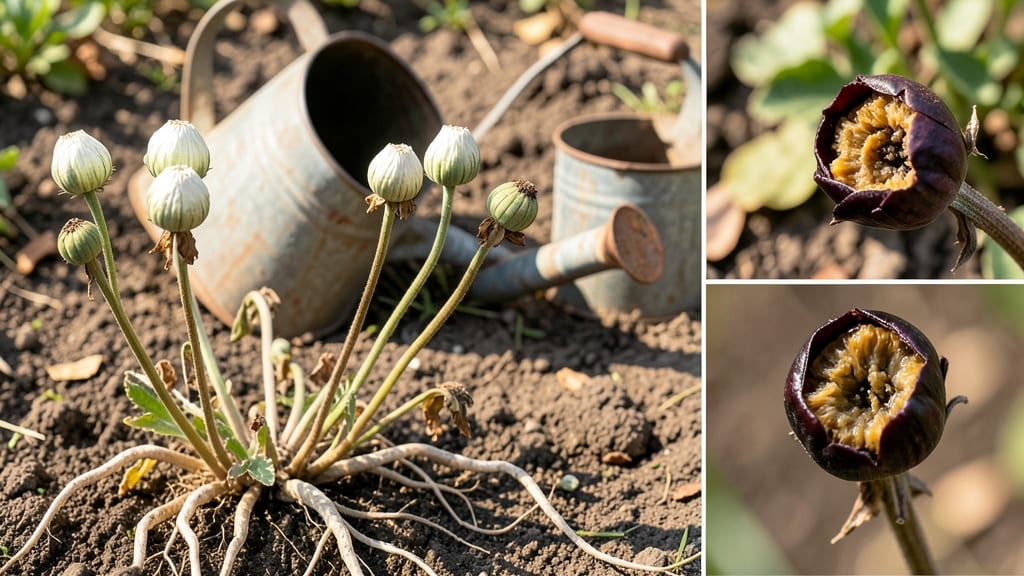
Some flowers never get to bloom and see the day because they’re waiting for the right light—something most gardeners overlook until it’s too late. 🌿 I’ve watched petunias, impatiens, and even prize-winning roses put all their energy into leaves instead of flowers, and the culprit was almost always the same: not enough sunlight in the right way.
The good news? This is one of the easiest fixes in gardening, and once you understand it, you’ll never waste another season on non-blooming plants.
Most flowers need 6-8 hours of direct sunlight daily, but the timing matters just as much as the duration. Morning sun is gentler than afternoon heat, and some varieties—like coleus or fuchsia—thrive in dappled shade.
I learned this the hard way when my shade-loving begonia refused to bloom in a south-facing window, while my sun-starved geraniums finally opened up when I moved them to a bright east-facing spot. The fix isn’t always about adding more light—sometimes it’s about rearranging what you already have.
What you’ll get is a garden that actually produces flowers, not just foliage. Imagine petunias cascading in vibrant waves, roses bursting with color, and impatiens blooming until frost—not just for a few weeks, but all season long.
The key is matching the plant to the light, adjusting gradually, and giving them a little extra care during transitions (like moving them indoors for winter). Trust me, the difference is night and day.
This works for containers, borders, or hanging baskets—anywhere you grow flowers. The same principles apply whether you’re fixing a single struggling plant or redesigning your entire garden for maximum bloom power. Let’s get those buds opening up!
Hidden Barriers to Blooming
Nature has a way of keeping secrets—some flowers never reach their full glory because of unseen forces working against them. Whether it’s a garden bed or a controlled greenhouse, certain factors silently sabotage blooming before it even begins.
Understanding these obstacles is the first step to unlocking year-round color. Let’s pull back the curtain on what’s really holding your flowers back.
Some flowers are biologically programmed to bloom only under specific conditions—or not at all. This isn’t laziness; it’s photoperiodism, a plant’s internal clock that responds to daylight length. For example:
- Short-day plants (like chrysanthemums or poinsettias) need 12+ hours of darkness to trigger blooming. If they get too much light, they stay dormant.
- Long-day plants (such as snapdragons or petunias) require 14+ hours of light to flower. Short summer nights can stunt their progress.
- Day-neutral plants (like zinnias or marigolds) bloom regardless—but even they have limits if stressed by other factors.
Actionable fix: Research your flower’s light needs and adjust planting times or use grow lights to mimic ideal conditions.
Flowers crave light like we crave coffee—but not all get their fix. Even if a plant could bloom, insufficient or poor-quality light can derail the process. Here’s how:
- Low light (e.g., shady corners) weakens photosynthesis, starving the plant of energy to produce flowers.
- Incorrect light spectrum: LEDs or fluorescent bulbs often lack blue (400–500 nm) and red (600–700 nm) wavelengths, critical for flowering.
- Overcrowding: Tall plants block sunlight from shorter ones, creating a "light famine" below.
Actionable fix:
- Rotate pots weekly to ensure even light exposure.
- Use full-spectrum LED grow lights (12–16 hours/day) for indoor setups.
- Prune aggressive growers to prevent shading.
Too much or too little water—and the wrong nutrients—can send flowers into a metabolic shutdown, halting blooming. Key culprits:
- Overwatering: Roots suffocate from anaerobic conditions, preventing nutrient uptake. Flowers like orchids or succulents need dry spells to trigger blooming.
- Underwatering: Stress from drought forces plants to conserve energy for survival, not reproduction.
- Nutrient deficiencies: Lack of phosphorus (P) or potassium (K) delays flowering (look for yellowing leaves or stunted growth).
Actionable fix:
Test soil pH (ideal: 6.0–7.0 for most flowers) and use a balanced fertilizer (e.g., 10-10-10) with a boost of phosphorus. For hydroponics, switch to a bloom-specific nutrient mix.
Flowers are finicky about temperature—too hot or too cold can pause development or trigger abscission (premature bud drop). Examples:
- Cold-sensitive plants (like geraniums) stop blooming below 50°F (10°C).
- Heat stress (above 90°F/32°C) causes ethylene gas buildup, which accelerates aging and bud death.
- Temperature swings (e.g., nighttime chills) confuse plants, delaying flowering.
Actionable fix:
- Use row covers or shade cloth in extreme heat.
- Move potted plants to consistent microclimates (e.g., east-facing windows for cooler light).
- For tropical flowers, use heat mats in winter to maintain root warmth.
Hidden pests or pathogens siphon energy away from blooming, leaving flowers to wither before they open. Common offenders:
- Aphids & Spider Mites: Sap-sucking pests weaken plants, causing bud blast (buds dry up and drop).
- Fungal infections (like powdery mildew) clog stomata, blocking gas exchange needed for flowering.
- Root rot (from overwatering) cuts off nutrient flow, starving the plant.
Actionable fix:
Inspect leaves weekly for pests (use neem oil or insecticidal soap). For fungi, improve airflow and apply copper-based fungicides. Rotate crops annually to prevent soil-borne diseases.
Reviving Stunted Blooms: Actionable Fixes
When your plants seem to whisper "some flowers never get to bloom"—don’t despair. The right care can coax them back to life. Below, we break down practical solutions for common causes, from light deprivation to overwatering, with step-by-step fixes and prevention tips to keep your garden vibrant year-round.
Cause: Flowers need 6–8 hours of direct sunlight (or bright indirect light for shade-lovers). Without it, they stretch, weaken, and skip blooming. Solution:
- 🔥 Move Them Strategically – Rotate pots weekly (¼ turn) for even light exposure. South-facing windows or grow lights (12–16 hrs/day) work wonders.
- 🌿 Trim Overcrowded Foliage – Snip leaves blocking sunlight. Use pruning shears to open up the canopy.
- 🏡 Adjust Indoor Layouts – Place taller plants behind shorter ones to prevent shading.
💡 Prevention Tip: Group plants with similar light needs together. Use reflective surfaces (mirrors, white walls) to bounce light deeper into shaded spots.
Cause: Soggy soil suffocates roots, starving flowers of oxygen and nutrients. Yellow leaves or moldy stems? You’re overdoing it. Solution:
- ⏰ Water Only When Dry – Stick your finger 1 inch into soil; water if it’s dry. Adjust frequency by season (less in winter, more in summer).
- 🚿 Improve Drainage – Add perlite or sand to potting mix. Elevate pots on saucers with pebbles to prevent waterlogging.
- 🌧️ Use the "Soak & Dry" Method – Water deeply until it drains from the bottom, then wait until the top inch is dry before repeating.
💡 Prevention Tip: Self-watering pots or moisture meters take the guesswork out of hydration.
Cause: Aphids, powdery mildew, or fungal spots sap energy meant for blooms. Check for sticky leaves, white residue, or chewed petals. Solution:
- 🦟 Spot-Treat Pests –
- Aphids/Mealybugs: Spray with neem oil (1 tsp per cup of water) or blast off with water.
- Spider Mites: Wipe leaves with soapy water (1 tsp mild soap per quart).
- 🌡️ Combat Fungal Issues –
- Powdery Mildew: Apply baking soda spray (1 tsp baking soda + 1 quart water + drop of soap).
- Root Rot: Repot in fresh, sterile soil and trim blackened roots with sterilized scissors.
- 🌿 Boost Airflow – Space plants 6+ inches apart to reduce humidity traps.
💡 Prevention Tip: Preventative sprays (like copper fungicide) every 2 weeks during humid months can stop outbreaks before they start.
Cause: Sudden cold snaps or heatwaves shock plants, halting growth. Wilting or leaf drop? Your flowers might be too hot or too cold. Solution:
- ❄️ Protect from Frost – Move tender plants indoors or cover with frost cloth before temps drop below 40°F.
- 🔥 Shield from Scorching Heat – Use shade cloth (30–50% coverage) in peak sun. Mulch soil to retain moisture.
- 🌡️ Gradual Acclimation – Harden off seedlings by exposing them to outdoor temps slowly (1–2 hours daily).
💡 Prevention Tip: Thermometers in your garden help track microclimates—place them near plants to monitor stress triggers.
Cause: Pale leaves, stunted growth, or no blooms? Your plants might be starving for key nutrients like phosphorus (for flowers) or nitrogen (for leaves). Solution:
- 📊 Test Your Soil – Use a DIY test kit (or lab test) to check pH and nutrient levels. Most bloomers thrive in slightly acidic soil (6.0–6.5).
- 💊 Fertilize Smartly –
- For Blooms: Use a balanced 10-10-10 or phosphorus-heavy (5-10-5) fertilizer every 4–6 weeks.
- For Foliage: Switch to nitrogen-rich (20-10-10) if leaves look weak.
- 🍃 Compost or Mulch – Top-dress soil with well-aged compost for a slow-release nutrient boost.
💡 Prevention Tip: Slow-release granules (like Osmocote) feed plants steadily without risk of over-fertilizing.
✅ Light: Rotate plants weekly; supplement with grow lights if needed. ✅ Water: Soak deeply, then let dry—no soggy soil! ✅ Pests/Disease: Inspect leaves weekly; treat early. ✅ Temperature: Shield from extremes; acclimate gradually. ✅ Nutrients: Test soil biannually; fertilize seasonally.
With these fixes, even the "flowers that never bloom" can burst into color. Start with one fix today—your garden will thank you! 🌸
Frequently asked questions
Why do some flowers just grow leaves and never bloom?
Most flowers need 6-8 hours of direct sunlight daily to trigger blooming. Without enough light, they focus energy on leaf growth instead. Other culprits include overcrowding (blocking light), incorrect watering (too much or too little), or nutrient deficiencies—especially lack of phosphorus. Start by checking your plant’s light needs and adjusting its position.
Can I force a non-blooming plant to flower?
Yes! For light-sensitive plants, move them to a sunnier spot or use grow lights (12-16 hours/day). For day-length-sensitive flowers (like poinsettias), adjust their light exposure to match their needs. Prune leggy growth to redirect energy, and fertilize with a phosphorus-rich formula (like 10-10-10) to encourage blooming.
What’s the difference between “day-neutral” and “long-day” flowers?
Day-neutral flowers (like zinnias or marigolds) bloom regardless of daylight length, but they still need 6+ hours of light. Long-day flowers (like petunias) require 14+ hours of light to trigger blooming—short summer nights can stunt them. If your long-day plants aren’t blooming, supplement with grow lights during winter.
How do I know if my plant is getting enough light?
Check for stretchy, pale stems or leaves growing only toward the light—these are signs of light deprivation. For indoor plants, place them within 1-2 feet of a south-facing window or use a light meter (ideal: 10,000+ lux). Outdoor plants should have 6+ hours of direct sun for most bloomers.
What’s the fastest way to fix overwatered flowers?
Stop watering immediately and let the soil dry out completely. Repot in well-draining mix (add perlite or sand) and trim any blackened roots. For severe cases, place the pot in a shady, dry spot for 3-5 days to recover. Avoid watering until the top 1-2 inches of soil are dry.