
Blooming
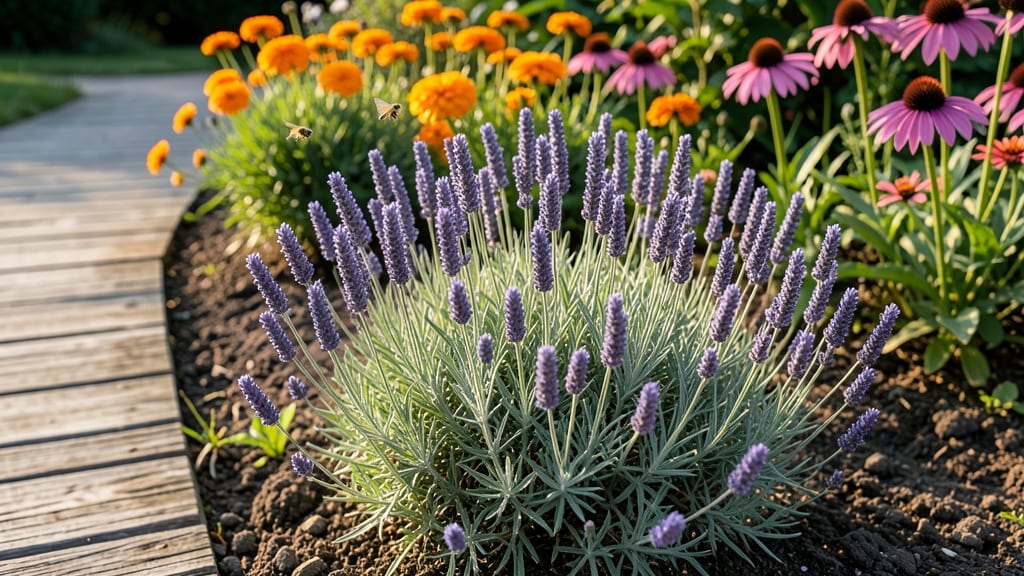
Summer blooming plants turn your yard into a nonstop color party when the heat kicks in. 🌸 I’ve tested dozens of varieties—from sun-loving annuals to tough-as-nails perennials—that refuse to quit blooming when temps climb. The secret?
Choosing heat-resistant species that thrive in your zone and knowing which ones play well together for continuous summer displays.
Think zinnia fireworks in July, black-eyed Susans stretching their gold into August, or salvia keeping its purple spikes crisp even in 90°F. These plants don’t just survive summer—they outperform spring bloomers, giving you weeks of vibrant color when most gardens fade to green.
The right pairings can extend your blooms from June all the way to frost, turning your yard into a pollinator magnet. You’ll leave with a foolproof lineup of easy-care plants that handle humidity, drought, and afternoon sun without breaking a sweat.
Deadheading isn’t always required, but a few simple tricks (like cutting back spent stems) can stretch blooms another month. Perfect for beginners and busy gardeners who want low-maintenance, high-impact summer color.
Regional tweaks matter: Southern gardeners can push the season later, while Northern zones might start with annuals for early bursts. Here’s how to pick the right mix for your climate and keep the show going all season long.
The science behind summer blooms
Summer’s vibrant floral displays aren’t just a lucky coincidence—they’re the result of finely tuned biological processes that respond to seasonal cues. Let’s break down the key factors that trigger plants to burst into color during the warmest months.
Many summer-blooming plants rely on day length (photoperiod) to kickstart flowering. As daylight hours stretch longer in spring and summer, plants detect this shift through specialized proteins called phytochromes and cryptochromes, which act like internal clocks.
- Short-day vs. long-day plants: Some species (like zinnias or cosmos) need long days (14+ hours of light) to bloom, while others (like sunflowers) thrive under neutral-day conditions, meaning they bloom as long as temperatures are warm.
- Actionable tip: If you’re growing short-day plants (e.g., poinsettias) in summer, they may need shade cloth to prevent premature dormancy—too much light can trick them into thinking it’s still spring!
Heat isn’t just a backdrop for summer blooms—it’s often the direct catalyst. Many plants require consistent warm temperatures (above 60°F/15°C) to trigger flowering hormones like florigen, a protein that signals blooming.
- Cold-sensitive species: Plants like geraniums and petunias may refuse to bloom if nights stay too cool (below 50°F/10°C).
A frost blanket or row cover can help extend their season. - Heat-loving exceptions: Succulents (e.g., portulaca) and desert natives (e.g., blanket flower) actually need heat—cool summers can stunt their growth entirely.
Counterintuitively, mild stress (like drought or nutrient fluctuations) can encourage flowering in some plants. This is why many summer bloomers thrive in well-draining soil—they’re adapted to periodic dry spells.
- Overwatering = fewer flowers: Plants like lantana and salvia may produce lush foliage but skip blooming if soil stays soggy. Let the top inch dry out between waterings. - Fertilizer timing matters: Too much nitrogen (the "green" nutrient) promotes leaves over flowers.
Switch to a low-nitrogen, high-phosphorus fertilizer (like 5-10-10) when buds form.
Some plants are pre-programmed to bloom in summer due to evolutionary adaptations.
For example: - Annuals (like marigolds) have a one-season lifespan and focus all energy on summer flowering before setting seed. - Perennials (like coneflowers) store energy underground in roots, then burst into bloom when soil warms, ensuring pollinators are active.
Many summer bloomers rely on pollinators (bees, butterflies, hummingbirds) to trigger more flowers. When these visitors are active, plants produce nectar and scent signals to attract them, which in turn stimulates repeated blooming.
- Deadheading matters: Removing spent flowers (like on zinnias) encourages plants to redirect energy into new blooms.
- Plant in clusters: Grouping similar flowers (e.g., lavender + bee balm) creates a pollinator magnet, boosting your garden’s summer show.
Healthy soil = healthy blooms. Summer-flowering plants often need: - Balanced pH (most prefer 6.0–7.0).
Test your soil—acid-loving hydrangeas may need sulfur, while roses thrive in slightly alkaline conditions. - Micronutrients: A lack of magnesium (for chlorophyll) or calcium (for cell walls) can weaken stems and reduce blooms. A chelated iron spray can help if leaves yellow.
Summer blooms are a perfect storm of light, heat, stress, genetics, and pollinators. By understanding these triggers, you can extend your garden’s season, coax reluctant plants to flower, and create a nonstop parade of color—even in the dog days of summer. 🌼🔥
Revitalize Your Summer Garden
Transforming your garden into a vibrant summer paradise doesn’t have to be a struggle—it’s all about choosing the right plants and giving them the care they need. Below, we’ll tackle common challenges and provide practical, step-by-step solutions to keep your summer blooms thriving.
Whether you’re dealing with wilting plants, pests, or lackluster color, these fixes will help you restore your garden’s glory.
Cause: Heat stress, improper watering, or poor soil drainage. Solution: Revive your plants with these easy steps.
1. Adjust Your Watering Routine 💧 Morning Watering Wins
- Water deeply in the early morning (before 9 AM) to reduce evaporation and fungal risks.
- Aim for 1–1.5 inches of water per week, adjusting for rainfall.
Use a rain gauge or tuna can to measure. - Avoid overhead sprinklers—they waste water and can encourage mildew. Instead, use drip irrigation or soaker hoses for targeted hydration.
🔥 Pro Tip: Mulch heavily (2–4 inches) with straw, wood chips, or shredded leaves to retain moisture and cool roots.
2. Improve Soil Drainage 🏗️ Test Your Soil
If water pools on the surface after watering, your soil may be too compacted.
Amend it with: - Perlite or sand (for sandy soil) - Compost or coconut coir (for clay-heavy soil) - For container plants, ensure pots have drainage holes and use a well-draining potting mix.
✨ Quick Fix: Elevate containers slightly with bricks or pot feet to prevent waterlogging.
3. Provide Shade for Sensitive Plants
🌿 Temporary Relief
- Use shade cloth (30–50%) or lightweight row covers for heat-sensitive bloomers like petunias or impatiens.
- Place lattice screens or umbrellas over plants to block harsh afternoon sun.
Cause: Overwatering, stagnant air, or lack of airflow invites pests and fungal issues. Solution: Keep bugs and diseases at bay with these low-effort strategies.
1. Encourage Natural Predators
🐞 Boost Biodiversity
- Plant companion flowers like marigolds, nasturtiums, or alyssum to attract ladybugs, lacewings, and parasitic wasps, which devour aphids and caterpillars.
- Avoid broad-spectrum pesticides—they harm beneficial insects too.
💡 Pro Tip: Install a small birdbath or shallow dish of water to attract birds that snack on caterpillars and beetles.
2.
Treat Fungal Issues Fast 🍄 Prevent and Cure - Prevention: Space plants properly (3–6 inches apart) for good airflow. - Treatment: Spray affected leaves with a baking soda solution (1 tsp baking soda + 1 quart water + a drop of dish soap) every 7–10 days. - For powdery mildew, use neem oil (mix 1 tbsp neem oil + 1 tsp mild soap + 1 quart water) and spray at dusk.
🌡️ Warning: Water plants only at the base (not leaves) to reduce fungal spores.
3. Remove Infested Plants Immediately
🗑️ Don’t Wait!
- If a plant is severely damaged (e.g., holes from beetles, blackened leaves), pull and dispose of it in the trash (not compost).
- Quarantine new plants for 2 weeks before adding them to your garden.
Cause: Poor nutrition, deadheading neglect, or overcrowding. Solution: Extend your blooms with these simple maintenance tricks.
1. Deadhead Regularly
✂️ The Secret to More Flowers
- Pinch or snip off spent blooms with clean scissors every 2–3 days to encourage new growth.
- For self-cleaning plants (like zinnias or cosmos), just remove entire stems when flowers fade.
🔪 Pro Tip: Use sharp pruners and sterilize them with rubbing alcohol between cuts to prevent disease.
2. Fertilize Smartly
🌿 Feed for Color
- Use a balanced, slow-release fertilizer (10-10-10 or 20-20-20) every 4–6 weeks.
- For more vibrant blooms, switch to a phosphorus-heavy formula (like 5-10-5) mid-summer.
- Avoid over-fertilizing—it can lead to leafy growth at the expense of flowers.
📊 Quick Chart for Summer Feeding:
| Plant Type | Best Fertilizer | Frequency |
|---|---|---|
| Annuals (petunias, geraniums) | 10-10-10 or liquid bloom booster | Every 2 weeks |
| Perennials (coneflowers, black-eyed Susans) | 5-10-5 or compost tea | Every 6 weeks |
| Vegetables (tomatoes, peppers) | 5-10-10 or fish emulsion | Every 3 weeks |
3.
Rotate and Replace Faded Plants 🔄 Seasonal Swaps - If a plant stops blooming by mid-summer, replace it with heat-loving varieties like: - Lantana (drought-tolerant, attracts butterflies) - Portulaca (moss rose) (thrives in full sun) - Zinnias (long-lasting, easy to grow) - Divide overcrowded perennials (like daylilies or hostas) in early summer to refresh their growth.
Plan ahead to avoid next year’s headaches!
💡 Choose Heat-Resistant Varieties
- Opt for native or drought-tolerant plants like:
- Lavender, salvia, or Russian sage (low water, high heat tolerance)
- Sunflowers or gaillardia (long bloom seasons)
🌡️ Monitor Weather Trends
- Check local heat advisories and adjust watering schedules in advance.
- Group plants by water needs (e.g., succulents together, thirsty tomatoes together).
🌱 Start Strong in Spring
- Hardening off seedlings properly before transplanting.
- Mulch early (spring mulch prevents soil temperature spikes).
With these simple, actionable steps, your summer garden will stay lush, colorful, and pest-free—no green thumb required! 🌸🔥
Frequently asked questions
Which summer-blooming plants are easiest for beginners?
Start with zinnias, marigolds, or cosmos—they thrive in full sun, handle heat, and bloom nonstop with minimal care. For perennials, black-eyed Susans and coneflowers are tough as nails and return yearly. These varieties forgive watering mistakes and attract pollinators effortlessly!
Can I get summer color in shady spots?
Try impatiens, coleus, or heuchera (coral bells) for partial shade. For deeper shade, hostas and foxgloves offer foliage interest, while astilbes provide feathery plumes. Just avoid soggy soil—shade plants still need well-draining conditions to prevent rot.
How do I extend summer blooms past August?
Deadhead regularly (remove spent flowers) to redirect energy into new blooms. For perennials, cut back 1/3 of the plant after the first flush to encourage a second round. Use a low-nitrogen fertilizer (like 5-10-5) mid-summer, and mulch to retain moisture. Succession plant with portulaca or cleome for late-season color.
What's the best way to handle summer heat stress?
Water deeply in the early morning (1–1.5 inches per week) and mulch heavily (2–4 inches) to keep roots cool. For sensitive plants, provide 30–50% shade cloth** during peak afternoon sun. Group heat-lovers like lantana and salvia together—they thrive in full sun and dry conditions.
Are there summer bloomers that repel pests naturally?
Yes! Plant marigolds (deter pests like aphids and nematodes) or basil (repels mosquitoes). Lavender keeps flies away, while nasturtiums deter squash bugs. These plants also attract beneficial insects like ladybugs, creating a natural pest-control ecosystem in your garden.